

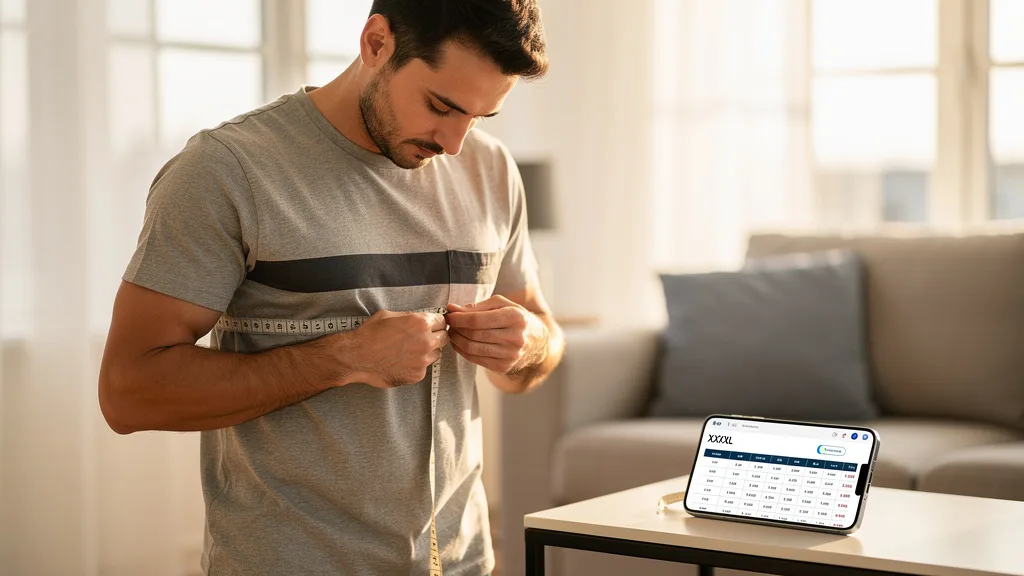
Tired of the frustrating cycle of ordering XXXL shirts online, only to find they don’t fit? Finding a shirt that offers both style and a comfortable, flattering fit can feel like a challenge, but it doesn’t have to be. With the right approach, you can confidently purchase premium apparel online and eliminate the hassle of returns for good.
To successfully buy XXXL shirts online, you must first take accurate body measurements for your chest, neck, sleeve, and torso. Next, carefully compare these numbers to the specific brand’s garment size chart, paying close attention to whether the measurements are for the body or the clothing item itself. Finally, consider the fabric type and potential for shrinkage, and always perform a movement test before removing the tags upon arrival. This process ensures a perfect fit from the start.
Master Your Measurements: The First Step to a Perfect Fit
The single most important step in buying clothing online is knowing your exact measurements. Relying on the alpha size (like XXXL) you wear in another brand is a common mistake that often leads to a poor fit. Taking a few minutes to measure yourself with a flexible tape measure provides the data you need to cross-reference with a brand’s specific size chart, creating a much higher chance of success.
How to Accurately Measure Your Chest and Neck
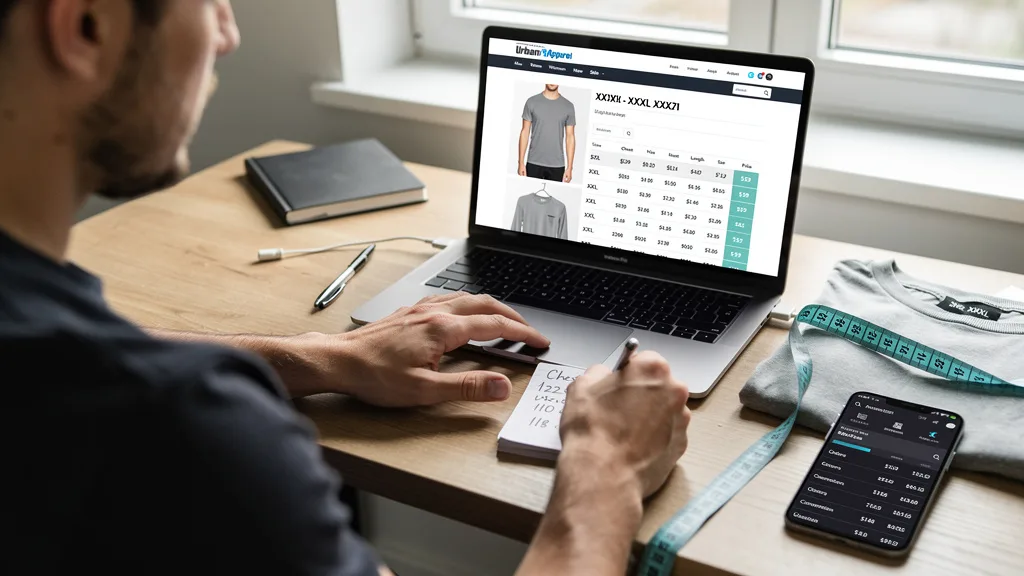
For your chest measurement, stand up straight in a relaxed posture. Wrap the tape measure around the fullest part of your chest, typically just under your armpits. Ensure the tape is level all the way around and snug, but not tight enough to compress your chest. Take the reading and write it down.
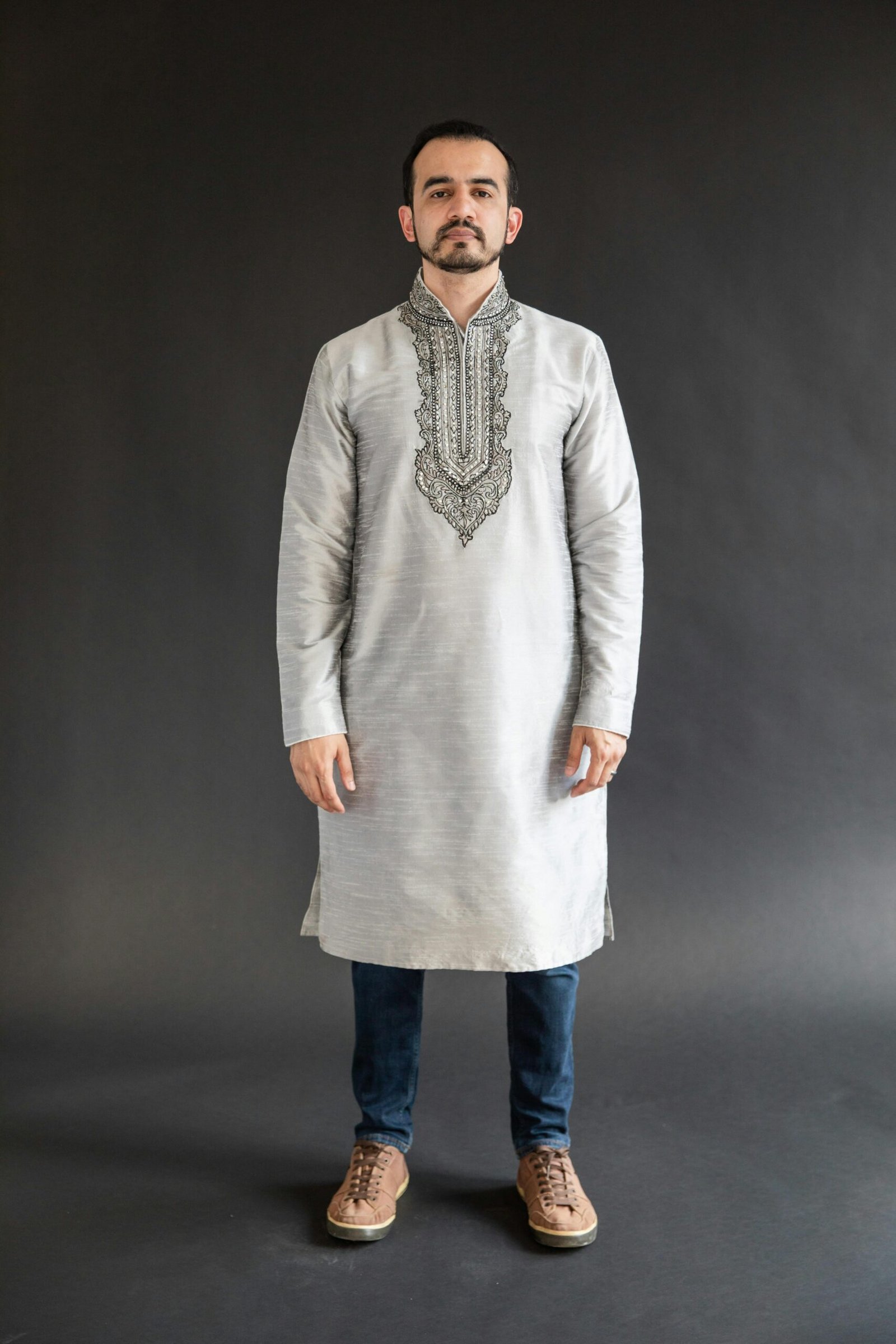
To measure your neck, wrap the tape around the base, where a shirt collar would naturally sit. A good rule of thumb is to place one or two fingers between the tape and your neck to ensure you’ll have enough room to breathe and move comfortably. This measurement is especially critical for button-down formal shirts and kurtas.
Taking Correct Sleeve and Torso Length Measurements
Sleeve length can be tricky, so it’s helpful to have a friend assist you. Start the tape at the center back of your neck. Run it over the top of your shoulder, down your arm, past your elbow, and end at your wrist bone. Keep your arm slightly bent for the most accurate measurement. This ensures the sleeves won’t be too short when you move.
For torso length, stand straight and measure from the highest point of your shoulder (where the shoulder seam would sit) down to the level where you want the shirt hem to end. For most men, this is typically mid-crotch for a shirt that will be worn untucked or long enough to stay tucked in securely. This measurement prevents you from buying a shirt that is unintentionally too short or too long.
Why Measuring Your Stomach Is Crucial for XXXL Sizes
For those shopping for XXXL or stylish XXXXL t-shirts for daily wear, the stomach measurement is just as important as the chest, if not more so. In many cases, a person’s stomach circumference may be larger than their chest. If you only shop based on chest size, you risk the shirt being too tight around the midsection, causing buttons to pull and creating an unflattering silhouette.
To measure your stomach, wrap the tape measure around the widest part of your abdomen, usually at or just above your belly button. Keep the tape level and snug. When comparing to a size chart, ensure the garment’s width at the stomach provides at least a few inches of ease over your body measurement for comfort and movement.
Decoding the Brand’s Sizing Guide for XXXL Shirts
Once you have your measurements, the next step is to interpret the brand’s sizing guide correctly. This is a crucial part of your checklist for buying XXXL shirts online without returns because there is no universal standard for sizing. A 3XL from one brand can have completely different dimensions than a 3XL from another, making the size chart your most reliable tool.
Understanding Garment Measurements vs. Body Measurements
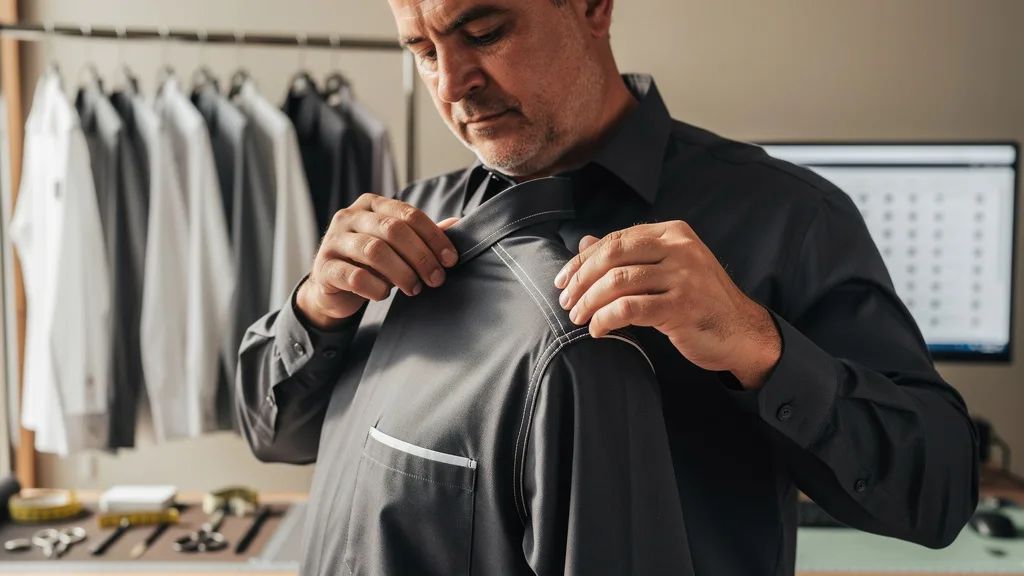
Brands may present their size charts in one of two ways: with body measurements or garment measurements. A chart with body measurements suggests the size that will fit a person with those dimensions. A chart with garment measurements lists the actual dimensions of the finished shirt when laid flat.
It is essential to know which one you are looking at. Garment measurements must be larger than your body measurements to allow for ease, which is the room you need to move comfortably. For a standard fit shirt, look for a chest measurement that is 4-6 inches larger than your actual chest measurement. Understanding this difference is key to using a XXXL size chart effectively.
Why Alpha Sizing (XXXL) Varies Between Brands
Alpha sizing (S, M, L, XL, XXL, XXXL) is a convenient shorthand, but it lacks standardization across the fashion industry. Brands develop their own sizing blocks based on their target demographic, desired fit profile (e.g., slim, regular, relaxed), and country of origin. This is why you might be a perfect XXL in one brand’s polo shirt but need a 3XL in another’s dress shirt.
This variation makes it imperative to abandon brand loyalty when it comes to sizing. Each time you shop from a new brand, or even a new collection within the same brand, you must consult the size chart. Assuming your size will be consistent is one of the most common mistakes when buying clothes online and a primary cause for returns.
Using a Conversion Chart for Inches and Centimeters
As a global shopper, you will encounter size charts that use either inches or centimeters. Being able to quickly convert between the two is a valuable skill. Most online retailers who ship internationally will provide both, but if they don’t, having a conversion chart handy can save you from a costly sizing error. Below is a simple conversion table for reference.
| Unit | Inches | Centimeters |
|---|---|---|
| 1 inch | 1 | 2.54 |
| 1 centimeter | 0.39 | 1 |
| Typical XXXL Chest | 50-52 in | 127-132 cm |
| Typical XXXL Neck | 18-19 in | 46-48 cm |
How Fabric Selection Influences the Fit and Feel
Beyond measurements, the fabric of a shirt plays a monumental role in how it fits, feels, and drapes on your body. The same size shirt can feel completely different in 100% cotton versus a polyester blend. Understanding fabric properties helps you anticipate the final fit and choose a shirt that meets your comfort and style expectations.
Choosing Between Natural Fibers and Synthetic Blends
Natural fibers like cotton and linen are celebrated for their breathability and soft feel against the skin, making them ideal for everyday comfort and warm climates. Cotton is versatile and durable, while linen offers a uniquely cool and relaxed texture. However, they are also more prone to wrinkling and potential shrinkage. XXXXL shirts 2025.
Synthetic blends, such as cotton/polyester, often provide added durability, wrinkle resistance, and color retention. These fabrics can offer a more structured look and may have some stretch, which can be beneficial for a closer fit. The trade-off is often reduced breathability compared to their natural counterparts, so consider the climate and occasion when making your choice.
Accounting for Potential Shrinkage After the First Wash
One of the hidden variables in online shopping is how a garment will behave after its first wash. Natural fibers, particularly 100% cotton, are susceptible to shrinkage, sometimes up to 5%. For a size-critical item like a button-down shirt, this can be the difference between a perfect fit and one that’s uncomfortably tight.
“When buying 100% cotton shirts, especially in XXXL sizes, always consider a potential shrinkage of 3-5% after the first wash. A quality fit before laundering can become a tight fit after, so check if the fabric is pre-shrunk or consider sizing up if you are between sizes.”
Always check the product description for terms like “pre-shrunk” or “sanforized,” which indicate the fabric has been treated to minimize shrinkage. If this information isn’t available and you’re buying a 100% cotton shirt, it may be wise to choose the larger size if your measurements fall between two options.
The Role of Fabric Weave and Weight in Draping
The weave and weight of a fabric determine how it drapes over your body. A lightweight poplin weave will be crisp, smooth, and structured, ideal for formal shirts. An Oxford cloth is heavier and has a more substantial, textured feel, lending itself well to casual button-downs.
Twill weaves, recognized by their diagonal pattern, are softer and drape more fluidly than poplin, offering excellent wrinkle resistance. For XXXL sizes, a fabric with a bit of weight and a good drape can be more flattering than a very thin or clingy material. Consider the end-use of the shirt: a structured weave for professional settings and a softer, heavier weave for relaxed, everyday wear.
Inspecting Structural Details for a Premium Tailored Fit
A truly high-quality shirt is defined by more than just its fabric and size tag. The structural details and construction techniques are what create a superior, tailored fit that looks and feels premium. When browsing product images online, zoom in on these key areas to assess the level of craftsmanship before you buy.
Checking Shoulder Seam Placement and Armhole Size
The shoulder seams are a critical indicator of fit. On a well-fitting shirt, the seam should sit directly on top of your shoulder bone (the acromion). If the seam droops down your arm, the shirt is too big. If it sits up on your collarbone, it’s too small and will restrict movement.
Similarly, the armholes (or armscyes) should be large enough for you to move your arms freely without the fabric pulling across your chest or back. However, they shouldn’t be so cavernous that they create a baggy, wing-like effect under your arm. A higher armhole generally provides a cleaner look and better range of motion.
The Importance of a Well-Constructed Yoke and Collar
The yoke is the panel of fabric across the top of the shoulders on the back of the shirt. Higher-end shirts often feature a “split yoke,” where the panel is made of two separate pieces of fabric cut on the bias. This construction detail allows for more stretch and movement across the shoulders, contributing significantly to overall comfort.
The collar should fit well without being restrictive. When buttoned, you should be able to comfortably fit two fingers between the collar and your neck. The collar points should lie flat against your collarbone without curling up or splaying out. A well-constructed collar maintains its shape and frames your face properly.
Assessing Plackets, Cuffs, and Stitching Quality
The placket, the strip of fabric where the buttonholes are, should be straight and lie flat against your chest. A puckering or wavy placket is a sign of poor construction. You can get a step-by-step visual on what to look for in well-made shirts from independent reviewers.
Cuffs should be snug enough that they don’t slide down over your hand but loose enough to accommodate a watch. Finally, look at the stitching. High-quality shirts have a high number of stitches per inch (SPI), which creates stronger, cleaner seams. While hard to see online, look for neat, even stitching around the collar, cuffs, and placket in high-resolution product photos.
The Final Fit Check: What to Do When Your Shirt Arrives
You’ve done your research, taken your measurements, and your new shirt has arrived. This final stage is just as important as the preparation. A quick but thorough fit check before you commit to keeping the garment is the last line of defense against a wardrobe full of ill-fitting clothes.
Confirming the Fit Before Removing Tags
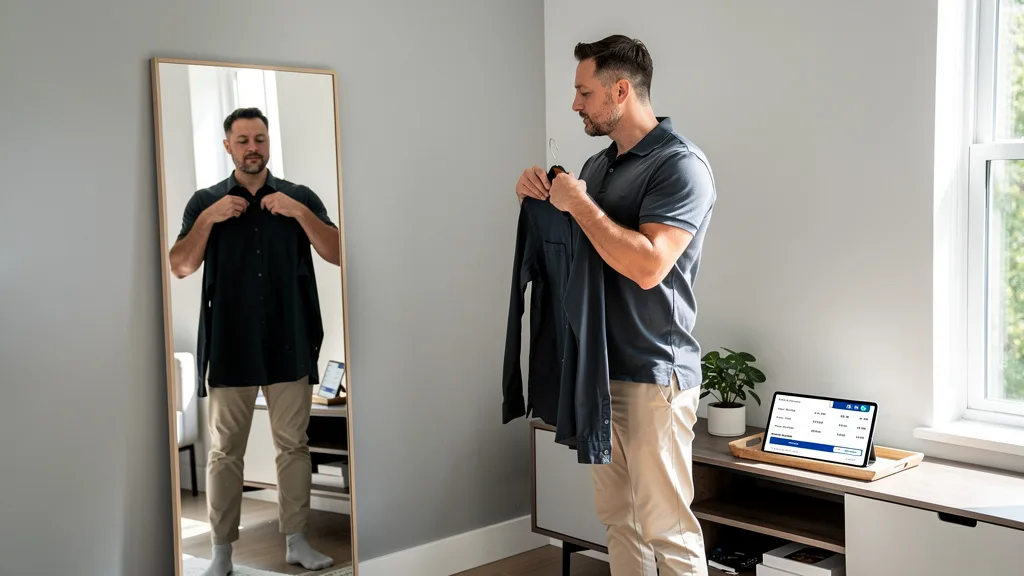
The golden rule of online shopping is to never remove the tags until you are 100% certain you are keeping the item. As soon as your package arrives, try on the shirt. Check the fit in a well-lit room with a full-length mirror if possible. Leaving the tags on ensures that if it doesn’t fit, you can easily process a return or exchange according to the brand’s policy.
Performing a Movement Test for Comfort and Range
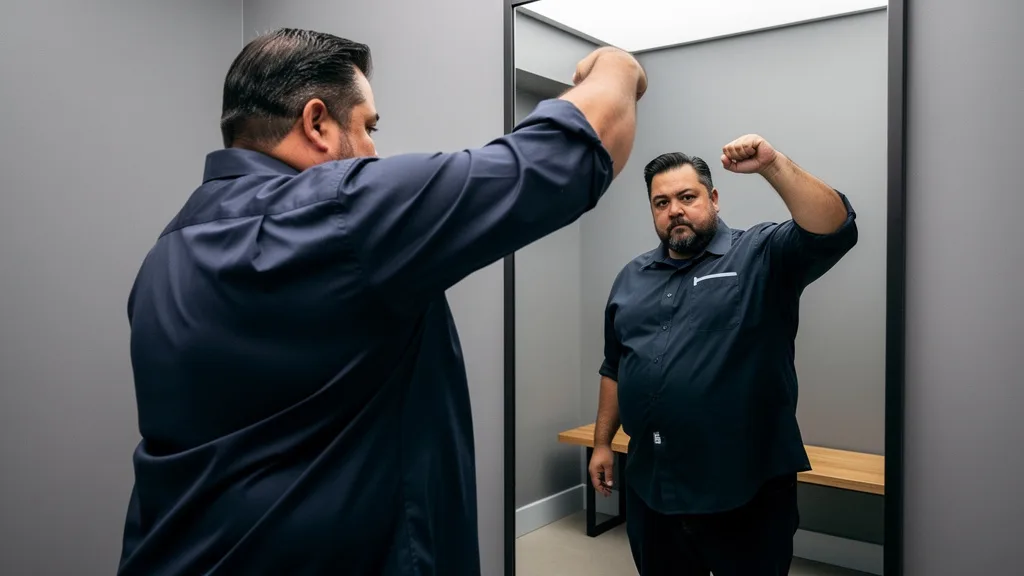
A shirt that looks good when you’re standing still might feel terrible the moment you move. Perform a series of movements to test the real-world comfort and fit. This is the only way to know if you’ve found one of the best regular fit shirts for everyday comfort.
- Reach Up: Raise your arms above your head. The shirt should not become untucked, and the sleeves should not pull uncomfortably tight.
- Reach Forward: Cross your arms in front of your chest. You should not feel significant pulling or tightness across your back and shoulders.
- Twist and Turn: Twist your torso from side to side. The shirt should move with you without constricting your movement.
- Sit Down: Sit in a chair. Check for any pulling at the buttons across your stomach or chest. The shirt should not ride up significantly in the back.
Knowing When to Keep It vs. When to Return It
Be honest with yourself during the fit check. If the shoulders are too wide, the stomach is too tight, or the sleeves are too short, return it. Don’t fall into the trap of thinking, “It might stretch out” or “I’ll lose a little weight.” A quality garment should fit you well right now. If it fails any part of the movement test or feels restrictive in any key area, it’s not the right fit. A seamless return for a better size is always preferable to a shirt that gathers dust in your closet.
Key Takeaways
Navigating the world of online clothes shopping doesn’t have to end in disappointment. By following a structured approach, you can dramatically increase your success rate. Here are the most important points from our 2026 checklist for buying clothes online:
- Measure Everything: Your chest, neck, stomach, and sleeve length are your most powerful tools. Never shop without them.
- Trust the Chart, Not the Label: Sizing like “XXXL” is inconsistent. Always compare your measurements to the specific brand’s size chart for each purchase.
- Fabric Matters: Understand how different fabrics (like cotton vs. blends) and weaves affect the fit, feel, and potential for shrinkage.
- Inspect the Details: Look for signs of quality construction, such as proper shoulder seam placement, a well-made collar, and neat stitching.
- Perform a Final Fit Test: Before removing tags, try the shirt on and move around to ensure it’s comfortable for real-world activities, not just standing still.
Frequently Asked Questions
How big is a 3XL shirt?
A 3XL (or XXXL) shirt is generally designed to fit a chest circumference of 50-52 inches (127-132 cm) and a neck size of 18-19 inches (46-48 cm). However, these measurements can vary significantly between different apparel brands.
It is always essential to ignore the alpha size label and instead consult the specific brand’s size chart. Pay close attention to the chest, waist, and length measurements provided to ensure the shirt will fit your unique body shape correctly.
Is 3XL the same as XXL?
No, 3XL is not the same as XXL. A 3XL is one full size larger than an XXL. Typically, an XXL shirt is designed for a chest measurement of around 47-49 inches, whereas a 3XL accommodates a chest of 50-52 inches.
This difference of a few inches can be the distinction between a shirt that is uncomfortably tight and one that fits perfectly. Always treat them as distinct sizes and rely on your measurements to guide your purchase.
Is size 44 considered XL or XXL?
In standard men’s shirt sizing, a chest measurement of 44 inches is typically considered an XL (Extra Large). An XXL size usually begins at a chest measurement of around 47 or 48 inches.
If your chest measures 44 inches, you should start by looking at XL sizes. However, always check the brand’s size chart, as some brands with a “slim fit” profile might require you to size up.
What chest size generally corresponds to 3XL?
The chest size that most commonly corresponds to a men’s 3XL shirt is 50 to 52 inches. In centimeters, this is approximately 127 to 132 cm. This is the most critical measurement for ensuring a good fit in the upper body.
When shopping, look for a garment chest measurement that is at least 4-6 inches larger than your body’s chest measurement to allow for comfortable movement. This extra room is known as “ease.”
What should I do if my measurements fall between two sizes?
If your measurements are between two sizes, consider two factors: the fabric and the desired fit. If the shirt is 100% cotton and not pre-shrunk, it’s safer to size up to account for potential shrinkage after washing.
Additionally, think about how you want the shirt to look. If you prefer a more relaxed, comfortable fit, choosing the larger size is the best option. If you prefer a very tailored, close-to-the-body fit and the fabric has some stretch, you might opt for the smaller size.
Conclusion
By following this comprehensive checklist, you can transform the often-unpredictable process of buying XXXL shirts online into a simple, successful, and return-free experience. The power lies in shifting your focus from vague size labels to concrete data: your own measurements. This is the foundation of a smart online shopper’s strategy for achieving a quality fit.
The key takeaways are to always measure yourself accurately, diligently compare those numbers to each brand’s unique size chart, and consider the properties of the fabric. Factoring in details like potential shrinkage and construction quality empowers you to make informed decisions. Finally, performing a thorough movement test upon arrival is the last step to confirm you’ve made the right choice.
Putting these steps into practice eliminates the guesswork and frustration, ensuring the premium shirts you invest in are the ones you’ll love to wear. You’ll save time, avoid the hassle of returns, and build a wardrobe of high-quality apparel that fits you perfectly.
Ready to find your perfect fit without the guesswork? Explore our premium collection of shirts, kurtas, and suits, crafted with meticulous attention to detail and available in a full range of sizes. Discover style and comfort delivered right to your door. SHOP NOW.