

Have you ever been told that a higher thread count automatically means a better dress shirt? It’s a common belief, but the truth is far more nuanced. While thread count plays a role, focusing on it alone can lead you to overpay for a shirt that doesn’t necessarily offer superior comfort or durability. Understanding what really creates a high-quality garment is key to building a wardrobe that looks and feels exceptional.
So, does thread count matter for dress shirts? Yes, but only as part of a larger picture. It is not the single most important factor in a shirt’s quality. True luxury and longevity come from a combination of elements, including the quality of the cotton, the ply of the yarn, and the type of weave. A shirt with a moderate thread count made from superior materials will almost always outperform a shirt with an inflated thread count made from mediocre components.
Thread count is a measurement indicating the number of threads woven into one square inch of fabric. This number is calculated by adding together the count of horizontal threads (weft) and vertical threads (warp). For example, a fabric with 100 warp threads and 100 weft threads per square inch would have a total thread count of 200. This metric is often used in marketing for both bed linens and apparel as a simple shorthand for quality.
In theory, a higher thread count suggests a finer, denser, and smoother fabric. To fit more threads into a square inch, the individual threads themselves must be thinner. This can result in a material that feels softer and more luxurious against the skin. However, this simple number doesn’t tell the whole story about the fabric’s actual performance, comfort, or durability, which depend heavily on other, more critical factors.
Does Thread Count Matter for a Shirt’s Quality?
While thread count is a valid measurement, its importance is often overstated. It is one piece of the quality puzzle, but it’s not the definitive one. A very low thread count (below 80) will likely feel coarse and be less durable, but beyond a certain point, the benefits of increasing the count diminish significantly and can even become a negative. Understanding its specific impact on softness, durability, and breathability helps put this popular metric into proper perspective.
Impact on Softness and Feel
Generally, a higher thread count does contribute to a softer, silkier feel. Because the individual yarns are finer, they can be woven together more tightly, creating a smoother surface with a more pleasing drape and a luxurious hand-feel. A shirt with a 200 thread count will almost certainly feel smoother and more refined than one with an 80 thread count, all other factors being equal.

However, this is where the quality of the raw material becomes paramount. A shirt made from long-staple cotton with a moderate thread count can feel significantly softer and more luxurious than a shirt with a higher count made from shorter, coarser cotton fibers. The fineness of the threads matters, but the quality of the fiber they are spun from matters more for ultimate comfort.
Connection to Durability and Longevity
The relationship between thread count and durability is complex. A higher count creates a denser fabric, which can be more resistant to snagging. However, when thread counts are artificially inflated to numbers like 1000 or higher, it’s achieved by using extremely thin, often weaker, single-ply threads. These delicate threads can be more prone to breaking, leading to a shirt that wears out faster despite its high thread count.
A more reliable indicator of durability is the yarn’s ply. A two-ply (or 2-ply) fabric is made by twisting two individual yarns together before weaving. This creates a single, stronger, and more substantial thread. A two-ply shirt with a 200 thread count will be far more durable and resilient than a single-ply shirt with a 400 thread count. For longevity, prioritizing a two-ply construction over an ultra-high thread count is a smarter choice.
Influence on Breathability and Weave
Breathability is crucial for comfort, especially in a dress shirt you wear all day. A fabric’s ability to allow air to circulate and moisture to escape is largely determined by its weave. While a higher thread count means a denser fabric, it can also mean less space between the threads for air to pass through, potentially making the shirt feel warmer and less breathable.
Different weaves also impact breathability. An Oxford cloth, with its basket-weave structure, is naturally more porous and breathable than a tightly woven poplin or broadcloth. Twill weaves offer a balance of drape and durability. Therefore, a shirt’s comfort in various climates depends more on the combination of its weave and the quality of its cotton fibers than on thread count alone.
The Ideal Thread Count Range for Dress Shirts
Navigating the world of thread counts can be confusing, but understanding the typical performance at different levels can help you make an informed choice. There is a definite point of diminishing returns, and the sweet spot for quality, comfort, and value is not at the highest end of the spectrum. For most consumers, focusing on a specific range is the most effective strategy.
Under 200: Basic Quality and Performance
Shirts with a thread count under 200, particularly in the 80-120 range, are generally considered basic or entry-level. These fabrics can feel slightly coarser and less smooth than their higher-count counterparts. They are often found in more casual shirts or lower-priced dress shirts where durability and cost-effectiveness are the primary concerns.
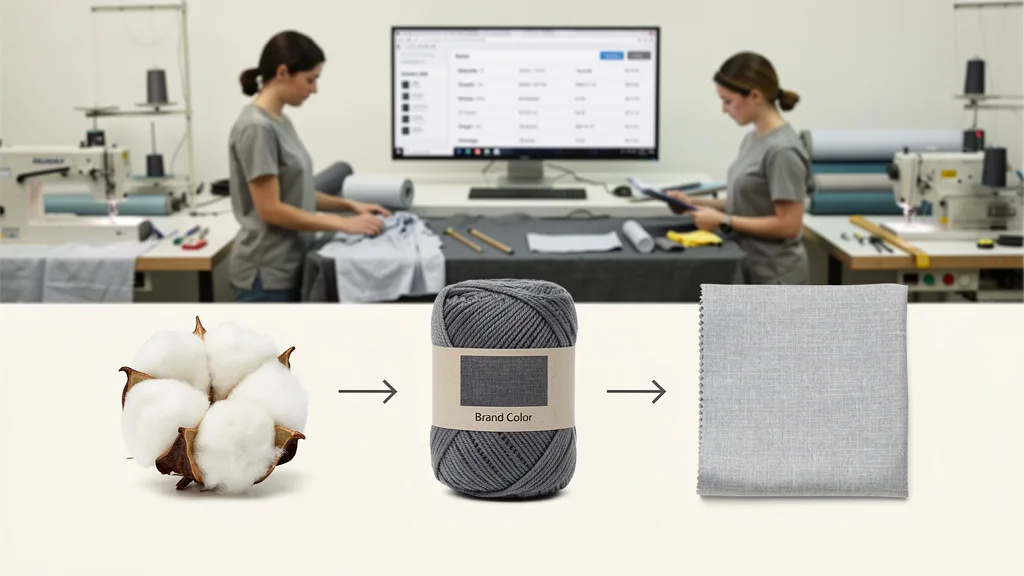
While perfectly functional, these shirts may lack the refined feel and luxurious drape of premium garments. They are often made from single-ply yarns and standard cotton. They can be good workhorse shirts, but they won’t provide the exceptional comfort and sophisticated appearance of a finely crafted dress shirt.
200-500: The Sweet Spot for Most Dress Shirts
This range is widely considered the sweet spot for high-quality men’s dress shirts. A thread count between 200 and 500, when combined with high-quality, long-staple cotton and a two-ply construction, delivers an excellent balance of softness, durability, and breathability. These shirts feel smooth and luxurious against the skin without being overly delicate.
Within this range, you will find premium fabrics like fine poplins and twills that look sharp, resist wrinkling, and hold up well to repeated wear and laundering. For a consumer looking for the best combination of performance and value, a shirt in this thread count category is an excellent investment in their wardrobe. Many of our best premium shirts for summer fall into this ideal category.
500+: Luxury, Diminishing Returns, and Marketing
Once you go above a 500 thread count, you enter the territory of diminishing returns and clever marketing. To achieve counts of 800, 1000, or even higher, manufacturers must use incredibly thin threads. While this can result in a fabric that feels exceptionally silky, it can also make the shirt less durable and more prone to damage. Some manufacturers even use creative counting methods to inflate the number, which is a tactic you can learn about in guides on how to identify a high quality dress shirt.
These ultra-high count shirts are often significantly more expensive, but the increase in price doesn’t equate to a proportional increase in quality or longevity. A well-made 300-count two-ply shirt will likely be a better long-term investment than a fragile 1000-count single-ply shirt. Treat extremely high numbers with a healthy dose of skepticism.
Factors More Important Than Thread Count
A discerning buyer looks beyond a single number. True garment quality is a symphony of well-chosen components working together. Focusing on the following factors will give you a much better understanding of a shirt’s value and performance than thread count alone.
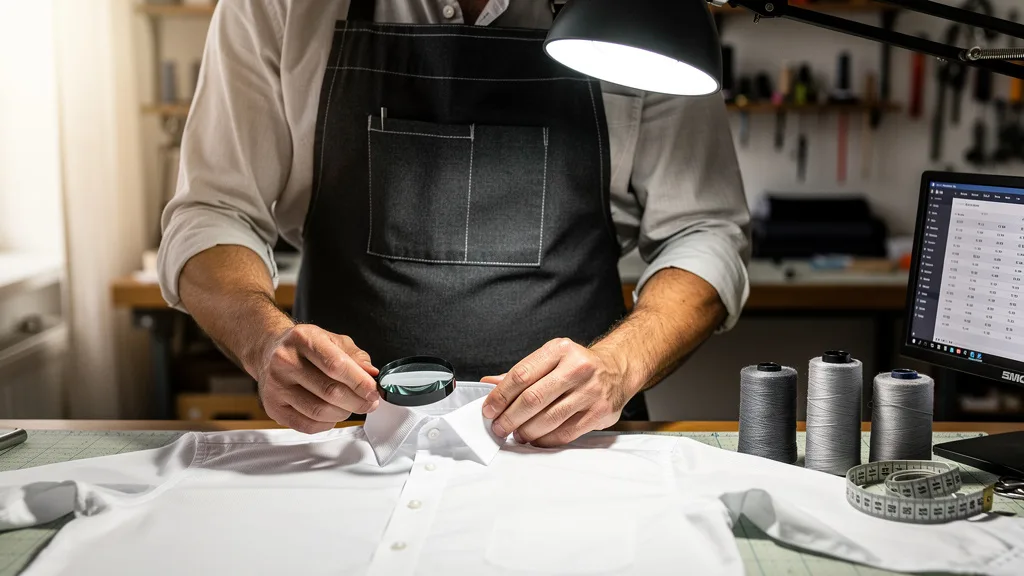
To better understand how these elements compare, consider the following breakdown:
| Factor | What It Is | Why It Matters More Than Thread Count |
|---|---|---|
| Cotton Quality (Staple Length) | The length of the individual cotton fibers. | Long-staple fibers (Pima, Egyptian) create smoother, stronger, and more durable yarns that feel softer and pill less. |
| Yarn Ply | The number of yarns twisted together to make a single thread. | Two-ply yarns are significantly stronger, more durable, and create a fabric with a richer feel and better wrinkle resistance than single-ply. |
| Weave Type | The pattern in which threads are interlaced (e.g., Poplin, Twill, Oxford). | The weave determines the fabric’s texture, breathability, drape, and formality. It has a greater impact on daily comfort than thread count. |
The Quality and Staple Length of the Cotton
The single most important factor in a shirt’s quality is the cotton it’s made from. Cotton fibers come in different lengths, known as staples. Short-staple cotton has fibers that are rougher and more likely to break, resulting in a fabric that can feel coarse and pill over time. In contrast, long-staple (LS) and extra-long-staple (ELS) cotton, such as Egyptian or Pima cotton, have long, fine fibers.
These longer fibers can be spun into exceptionally smooth, strong, and fine yarns. The resulting fabric is not only softer and more lustrous but also significantly more durable. A shirt made from high-quality long-staple cotton will feel better, look better, and last longer, regardless of its specific thread count.
The Ply of the Yarn: Single-Ply vs. Two-Ply
As mentioned earlier, the ply of the yarn is a crucial indicator of quality and durability. Single-ply fabrics use one thread, while two-ply fabrics use two threads twisted together. This twisting process creates a more substantial, balanced, and resilient yarn. A two-ply shirt has a more pleasing weight, drapes better on the body, and is less transparent.
While a single-ply fabric can be made to feel soft, it will never have the inherent strength and longevity of a two-ply equivalent. When shopping for a dress shirt that you want to last, always look for a two-ply (often labeled as ‘2-ply’ or ‘two-fold’) construction. It’s a much more reliable sign of a high-quality garment than a high Thread Count number.
The Type of Weave: Poplin, Twill, and Oxford
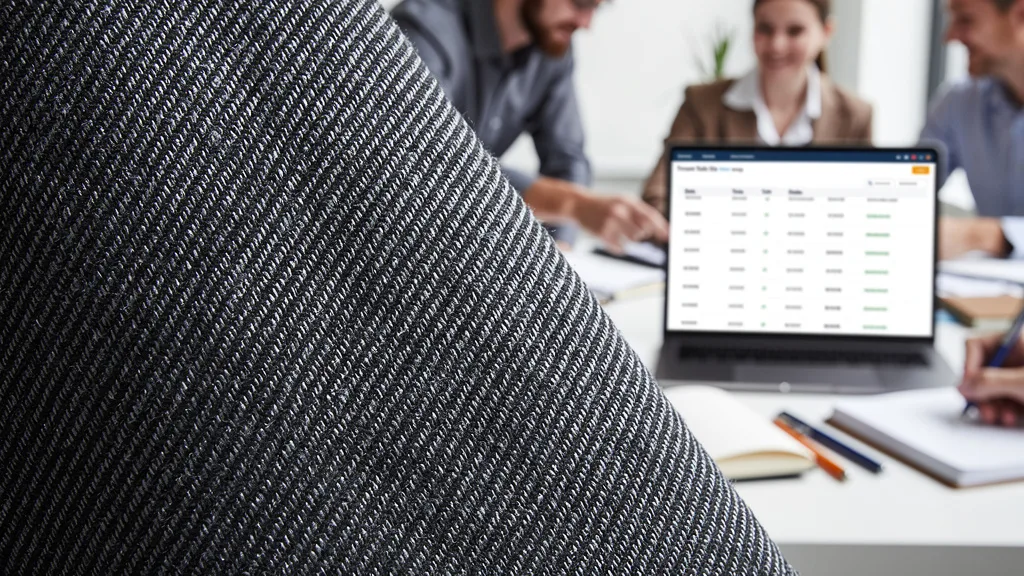
The weave is the pattern in which the warp and weft threads are interlaced, and it defines the fabric’s character. Poplin (or broadcloth) has a simple over-under weave, resulting in a smooth, crisp, and lightweight fabric ideal for formal dress shirts. Twill features a diagonal rib pattern, which makes it softer, more drapeable, and more wrinkle-resistant than poplin.
Oxford cloth uses a basket-weave structure, often with a heavier yarn, which gives it a more substantial texture and a more casual appearance. Each weave has its own unique properties of texture, sheen, and breathability. Choosing the right weave for the occasion and your personal preference is far more impactful on your experience of wearing the shirt than chasing a high thread count.
How to Identify a High-Quality Dress Shirt
Once you learn to look past the marketing numbers, you can begin to assess a shirt’s true quality using your own senses. A well-made garment reveals itself through its feel, its appearance, and the care taken in its construction. Arming yourself with this knowledge is the best way to ensure you’re investing in quality.
“Don’t just chase high numbers. True quality in a dress shirt comes from a harmonious balance of superior cotton, a strong two-ply yarn, and a masterful weave. The feel and finish tell you more than a label ever will.”
Look Beyond the Label’s Numbers
The first step is to mentally deprioritize the thread count number on the tag. Use it as a general guideline, but do not let it be your primary decision-making tool. Instead, look for other keywords on the label that indicate superior quality, such as ‘Two-Ply,’ ‘Long-Staple Cotton,’ ‘Pima,’ or ‘Egyptian Cotton.’
A brand that is proud of its materials will advertise them. If a shirt boasts an incredibly high thread count but makes no mention of its cotton source or ply, be skeptical. It’s often a sign that the brand is prioritizing a marketing gimmick over genuine substance. This is one of the 5 common mistakes when buying premium shirts that discerning shoppers learn to avoid.
Feel the Fabric for Smoothness and Density
Your sense of touch is one of the best tools you have. A high-quality shirt fabric should feel smooth, dense, and substantial in your hands. It shouldn’t feel flimsy, rough, or papery. Rub the fabric between your fingers. A superior fabric made from long-staple cotton will have a silky, almost cool-to-the-touch feel.
Even without knowing the exact specifications, you can often feel the difference between a two-ply fabric and a single-ply one. The two-ply will have a richer, more robust feel. After a while, you will develop an intuitive sense for what constitutes a quality material, allowing you to judge a shirt’s potential far more accurately than a label can.
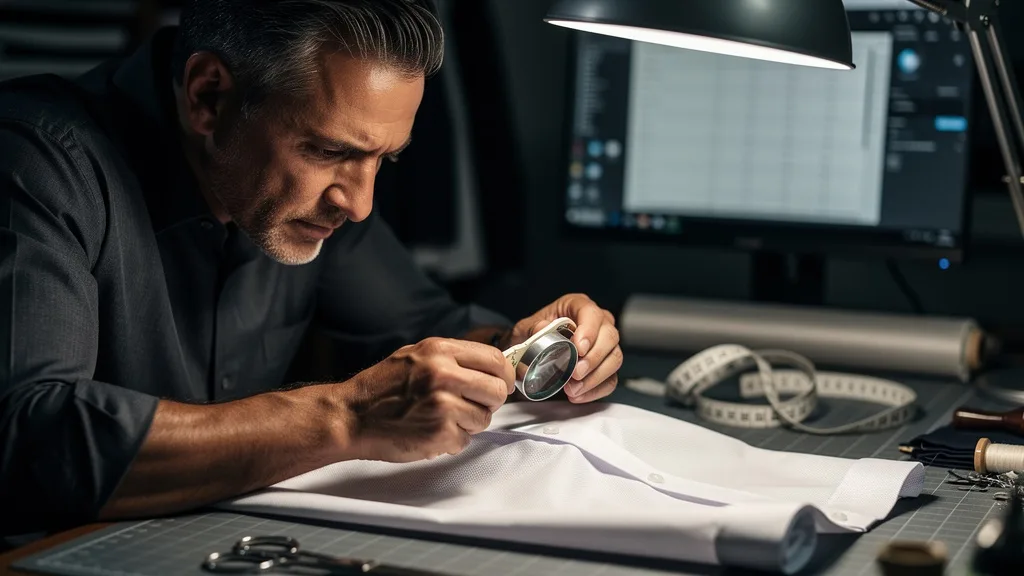
Examine the Stitching and Construction Details
A premium fabric deserves premium construction. Look closely at the seams and stitches. High-quality shirts will have a high stitch density (more stitches per inch), which creates stronger and cleaner seams. Check the collar, cuffs, and placket; they should be crisp and hold their shape.
Other signs of quality include mother-of-pearl buttons instead of plastic, patterns that match up at the seams, and clean finishing with no loose threads. These small details are indicative of the overall care and craftsmanship that went into making the garment. They are hallmarks of a shirt designed to last.
Key Takeaways
- Thread count is not the most important factor: While it contributes to softness, it’s easily overshadowed by cotton quality, yarn ply, and weave.
- Prioritize material and construction: Look for labels that mention ‘two-ply’ and ‘long-staple cotton’ (like Pima or Egyptian) for superior comfort and durability.
- Find the sweet spot: The ideal thread count for most high-quality dress shirts is between 200 and 500. This range offers the best balance of luxury, performance, and value.
- Beware of inflated numbers: Thread counts over 500 often provide diminishing returns and can indicate a less durable, overly delicate fabric. Treat numbers above 800 with skepticism.
- Use your senses: The best way to judge a shirt is to feel the fabric for smoothness and density and to examine the stitching and construction details for signs of craftsmanship.
Frequently Asked Questions
Is a 400 or 1800 thread count better for shirts?
A 400 thread count is almost always a better and more practical choice for a dress shirt. A 400-count fabric, especially if it’s two-ply and made from long-staple cotton, offers a fantastic combination of softness and durability. An 1800 thread count is an extreme, likely inflated number achieved with weak, ultra-fine threads, resulting in a fragile fabric that won’t last.
Which is better for a shirt, 500 or 1000 thread count?
Think of the 400-count shirt as a luxury sedan: high-performance, reliable, and built for regular use. The 1800-count shirt is like a concept car: impressive on paper but impractical and delicate for everyday life. Stick with the proven quality of the lower, more honest number.
Is a 300 thread count 100% cotton shirt a good choice?
A 500 thread count shirt is generally the better and more sensible option. This number is at the very high end of the premium ‘sweet spot’ and should feel exceptionally luxurious and smooth, provided it’s made with quality materials. A 1000 thread count is deep into the territory of marketing and diminishing returns. The threads used to achieve this count are so fine that the fabric’s durability is often compromised.
What’s the difference between 600 and 800 thread count shirts?
You will get a more reliable, durable, and better-value shirt by choosing the 500-count option from a reputable maker. The perceived increase in softness from 500 to 1000 is minimal and not worth the trade-off in longevity and price.
Can manufacturers inflate thread count numbers?
Yes, a 300 thread count 100% cotton shirt is an excellent choice and a hallmark of a high-quality garment. This specification falls squarely within the ideal range for premium dress shirts. It provides a beautiful balance of silky smoothness, durability, and breathability, making it comfortable for all-day wear.
To ensure it’s a top-tier choice, check if it’s also two-ply and made from long-staple cotton. A shirt with these three attributes (300 TC, two-ply, long-staple cotton) represents a fantastic investment in your wardrobe that will look and feel great for a long time.
The difference between a 600 and 800 thread count shirt is often negligible in terms of feel and practically meaningless in terms of real-world quality. Both numbers are very high, suggesting a fabric made with extremely fine threads. The perceived difference in softness would be minimal and likely undetectable to most people.
At this level, you are paying a premium for a number on a label rather than a tangible improvement in the garment. A better use of your resources would be to ensure a 300-500 count shirt is made with the absolute best cotton and construction, rather than chasing higher, less meaningful numbers.
Yes, absolutely. A common technique is to count each individual fiber in a multi-ply yarn. For example, if a two-ply yarn is used, some marketers will count it as two threads. So, a fabric with a true 400 thread count made of two-ply yarns might be advertised as having an 800 thread count. This is misleading and a primary reason why you should be skeptical of unusually high numbers.
This creative math makes the shirt seem more luxurious than it is. Reputable brands that focus on true quality are typically more transparent and rely on the excellence of their materials and construction, not on inflated statistics, to sell their products.
Conclusion
In the final analysis, while thread count is a factor in a shirt’s quality, it is far from the most important one. The true hallmarks of a superior dress shirt lie in the quality of the cotton, the strength of a two-ply yarn, and the character of the weave. By learning to look beyond the numbers and focusing on these fundamental components, you can make smarter, more confident purchasing decisions. Your goal should be to find a shirt that feels great, is built to last, and makes you look your best, and that is achieved through a balance of all these quality indicators, not by chasing the highest number.
Now that you understand what truly defines a premium shirt, you can shop with the eye of an expert. Explore our curated collections to feel the difference that superior materials and expert craftsmanship make. Find your perfect fit and style today.