
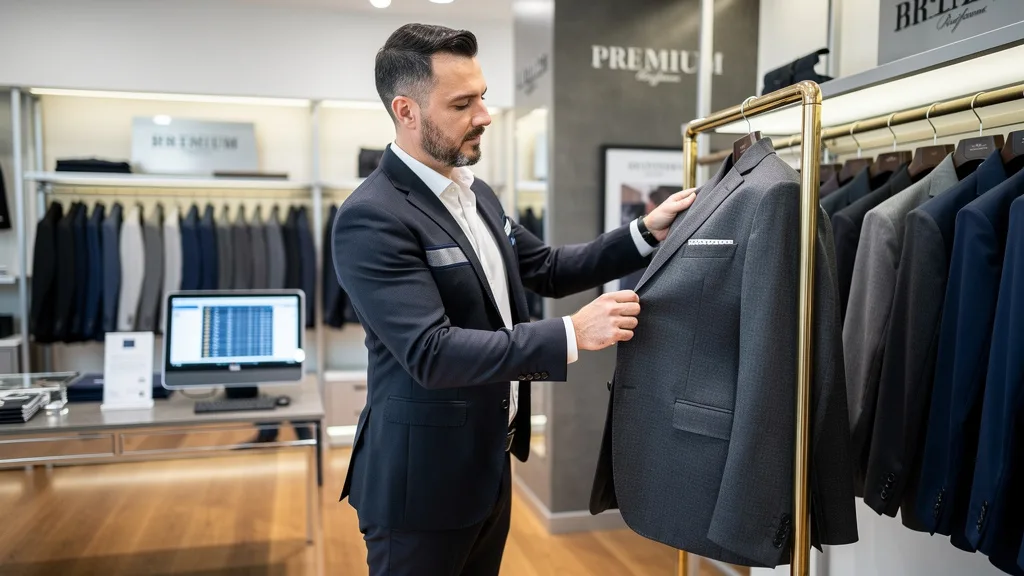
Are you ready to invest in a quality suit but feel uncertain about what a fair price looks like in 2026? Navigating the world of suiting can be complex, with prices ranging from a few hundred to many thousands of dollars. Understanding the key differences between suit types and what drives their cost is the first step toward making a confident and stylish purchase that fits your budget and needs.
In 2026, a good suit can cost anywhere from $500 for a quality off-the-rack option to over $5,000 for a fully bespoke creation. The final price depends heavily on the construction method, fabric quality, and level of customization. For most buyers seeking a balance of quality and value for regular wear, a budget between $800 and $2,500 will secure a durable, well-fitting made-to-measure suit.
Suit Price Ranges for 2026 at a Glance
To understand how much does a good suit cost in 2026, a price breakdown by category is the best place to start. Suits generally fall into three tiers: off-the-rack, made-to-measure, and bespoke. Each offers a different level of fit, customization, and craftsmanship, which is directly reflected in the price tag. Knowing these categories helps you align your expectations with your budget.
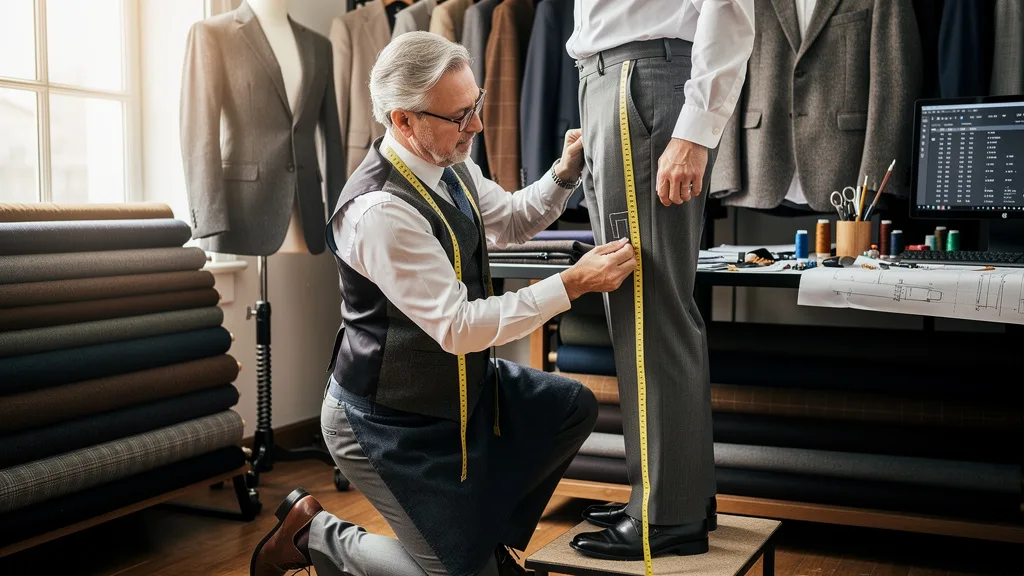
The choice between these options depends on your priorities. Are you looking for immediate availability and affordability, a personalized fit with some custom details, or the ultimate sartorial experience with a garment made just for you? The following table provides a clear overview of what you can expect to pay for each type of suit in 2026.
| Suit Type | Typical Price Range (USD) | Best For | Key Features |
|---|---|---|---|
| Off-the-Rack | $300 – $800 | First-time buyers, occasional wear, standard body types | Pre-made in standard sizes, immediately available, requires alterations |
| Made-to-Measure | $800 – $2,500 | Regular business wear, personalized style | Adjusted from a base pattern, choice of fabrics and details, better fit |
| Bespoke | $4,000+ | Connoisseurs, unique body types, special occasions | Pattern created from scratch, multiple fittings, unlimited customization |
Off-the-Rack Suits: The Entry-Level Option
Off-the-rack suits are the most common and accessible option, sold in standardized sizes based on chest measurements and drop (the difference between jacket and trouser size). You can find these suits at department stores and most menswear retailers. Their main advantages are affordability and convenience, as you can try them on and take them home the same day.
However, the fit is rarely perfect out of the box. Nearly all off-the-rack suits require alterations to achieve a sharp look, so you must factor in tailoring costs. While they are a great starting point, especially for a first suit or for infrequent wear, the quality of construction and fabric can vary significantly. Cheaper suits in this category often use fused construction and synthetic fabrics.
Made-to-Measure Suits: The Personalized Upgrade
Made-to-measure (MTM) offers a significant step up in fit and personalization without the full cost of bespoke. With MTM, a tailor starts with a standard pattern and adjusts it based on your specific measurements. You also get to choose from a curated selection of fabrics, linings, buttons, and style details like lapel type and pocket style.
This process results in a suit that fits your body much better than an off-the-rack garment, particularly if you have a non-standard body shape. The MTM process typically takes 4-8 weeks. This option represents a sweet spot for many professionals who want a high-quality, personalized casual suit for effortless style or business attire that will last for years.
Bespoke Suits: The Ultimate Custom Investment
Bespoke is the pinnacle of tailoring, where a unique pattern is drafted from scratch exclusively for you. The process involves multiple in-person fittings to meticulously refine the fit, posture, and balance of the garment. You have complete control over every single detail, from the fabric sourced from the world’s finest mills to the thread color used for the buttonholes.
A bespoke suit is a true work of art and a long-term investment. The unparalleled fit, construction quality, and personalization make it the ultimate expression of personal style. Due to the intensive labor and expertise required, a bespoke custom mens suit cost starts at around $4,000 and can go much higher, with a creation process that can span several months.
Key Factors That Determine a Suit’s Cost
Beyond the primary category of the suit, several key factors directly influence its final price. Understanding these elements will help you assess the value of a suit and determine if the cost is justified. From the raw materials to the hidden construction details, each component plays a role in the suit’s quality, longevity, and price tag.
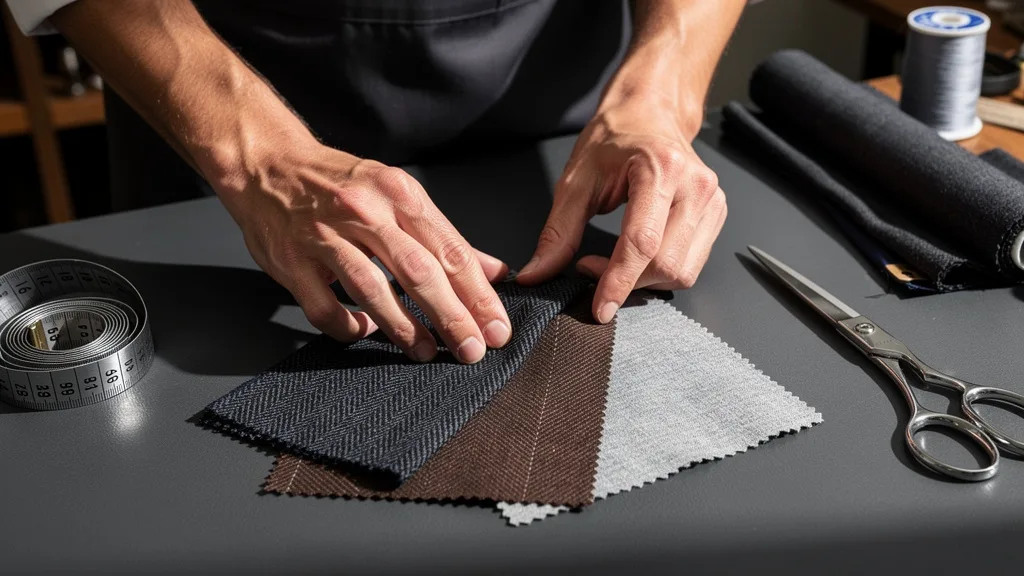
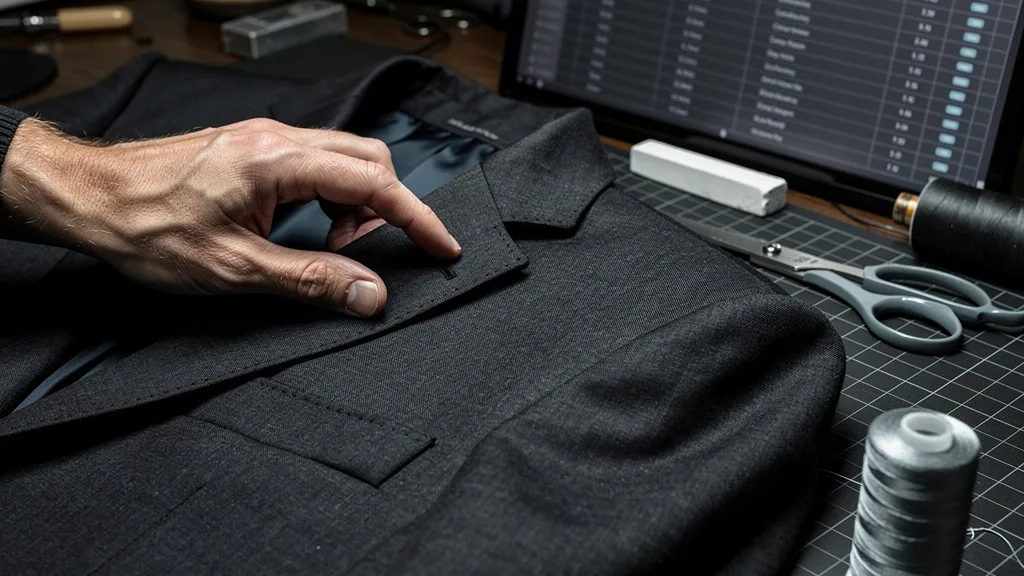
These factors are what separate a $500 suit from a $5,000 one. A knowledgeable buyer can identify these markers of quality and make an informed decision. When you are shopping, pay close attention to the fabric composition, the feel of the jacket’s front panel, the precision of the stitching, and the quality of the buttons and lining.
The Fabric: From Durable Wools to Luxury Blends
Fabric is one of the most significant cost drivers. Entry-level suits often use polyester or poly-wool blends, which are durable but lack the breathability and drape of natural fibres. A good quality suit is typically made from 100% wool. The quality of wool is often indicated by its Super number (e.g., Super 120s, 150s), where a higher number means a finer, lighter, and more luxurious yarn.
Beyond standard wool, luxury fabrics like cashmere, silk, mohair, and linen blends will increase the price significantly. For example, a lightweight wool-silk-linen blend perfect for summer will cost more than a standard worsted wool suit. The mill where the fabric is produced, with Italian and English mills like Loro Piana and Holland & Sherry being the most prestigious, also heavily influences the cost.
The Construction: Fused vs. Canvassed Jackets
The internal construction of the jacket is a critical, yet often invisible, quality indicator. The three main types are fused, half-canvassed, and full-canvassed. A fused jacket uses a fusible interlining that is glued to the shell fabric. This is the cheapest and fastest method but can result in a stiff drape and is less durable, sometimes bubbling with age.
“A full-canvassed jacket molds to your body over time, making it a true long-term investment in your style, while a fused jacket is a more accessible starting point.”
A full-canvassed jacket features a layer of canvas, typically made of wool and horsehair, stitched between the inner lining and outer fabric. This allows the jacket to drape naturally and mold to your body over time. A half-canvassed jacket is a good compromise, with canvas through the chest and lapels for shape and structure, and fusing on the lower part of the jacket.
The Tailoring: Achieving the Perfect Fit
The level of craftsmanship involved in cutting and sewing the suit is paramount. Mass-produced suits rely heavily on machines for speed and cost-efficiency. In contrast, high-end MTM and bespoke suits involve a significant amount of handwork. Hand-sewn details, such as the collar, armholes, and buttonholes, allow for more shaping and a more comfortable fit.
Even if you buy an off-the-rack suit, the cost of post-purchase tailoring is essential to budget for. A $500 suit that has been expertly tailored will always look better than a $2,000 suit worn straight off the hanger. For more information on what to expect, you can learn How Much Does A Tailored suit cost by reviewing expert guides.
The Details: Buttons, Linings, and Stitching
The finishing touches, or trimmings, are a subtle but clear indicator of a suit’s quality. High-quality suits will feature genuine horn, corozo, or mother-of-pearl buttons instead of cheap plastic ones. The jacket lining is another detail to check; premium suits often use Bemberg, a silky and breathable material, instead of stuffy polyester.
Look for fine, consistent stitching throughout the garment, especially along the lapels (sometimes featuring a decorative pick stitch). Another hallmark of a high-end suit is the presence of functional sleeve buttons, also known as surgeon’s cuffs. While not a necessity, these details collectively signal a higher level of care and craftsmanship that contributes to the overall cost.
How Much Should You Expect to Pay for a Decent Suit?
Determining your budget depends on your needs and how often you plan to wear the suit. Whether you’re buying your first suit for job interviews or investing in a statement piece for a wedding, there’s a price point that makes sense for you. A versatile 3 piece suit for women or men can be a fantastic investment, offering multiple styling options.
The key is to find the best possible quality within your budget. It’s often wiser to invest in one great suit that fits perfectly than to own three mediocre ones. The following guidelines can help you set a realistic budget based on your specific use case.
Budget for Occasional Wear or Your First Suit
If you need a suit for occasional events like weddings, funerals, or job interviews, a budget of $400 to $900 is a realistic starting point. In this range, you can find a good quality off-the-rack suit made from 100% wool with a half-canvassed construction. Focus on getting a classic color like navy or charcoal gray for maximum versatility.
Remember to allocate an additional $100 to $200 for tailoring. A well-tailored suit from this price bracket will look more expensive and polished than a poorly fitting designer suit. Brands that specialize in this segment offer a great balance of quality materials and modern fits.
Investment for Regular Business and Office Wear
For those who wear a suit to the office environment multiple times a week, durability and fit are paramount. You should plan to invest between $900 and $2,500 for a reliable workhorse suit. This budget opens the door to the made-to-measure world, allowing you to get a superior fit and choose durable, high-performance wool fabrics.
At this price point, you can expect a half-canvassed or even a full-canvassed construction, better quality fabrics, and more refined details. Investing in two or three suits in this range and rotating them will ensure they last for many years, making it a sound long-term investment for your professional wardrobe. You can explore a variety of options when considering how much should i expect to pay for a decent suit.
Pricing for a Fully Custom or High-End Piece
When money is no object or for a once-in-a-lifetime event like your wedding, a fully custom bespoke suit is the ultimate choice. The pricing for these garments starts around $4,000 and can easily reach five figures depending on the fabric and the tailor’s reputation. This is the price for sartorial perfection.
At this level, you are paying for the highest level of craftsmanship, the world’s most luxurious fabrics, and a garment that is utterly unique to you. The process is an experience in itself, involving a close relationship with your tailor to create a suit that will be a treasured part of your wardrobe for decades.
Don’t Forget These Additional Suit Costs
The sticker price of the suit is not the final number. To complete your look and maintain your investment, you need to account for several additional expenses. Factoring these into your initial budget will prevent surprises and ensure you have a complete, ready-to-wear outfit.

From the essential tailoring that makes the suit truly yours to the accessories that complete the ensemble, these costs are a necessary part of the process. Proper maintenance is also crucial to protect your investment for the long term.
Standard Alteration and Tailoring Fees
Unless you’re buying bespoke, you will need alterations. For an off-the-rack suit, common adjustments include hemming the trousers, adjusting the sleeve length, and taking in the jacket waist. These can collectively cost anywhere from $75 to $250 or more, depending on the complexity of the work and your tailor’s rates.
Even made-to-measure suits may require minor tweaks upon final delivery. Always set aside a portion of your budget for these crucial adjustments. A perfect fit is non-negotiable for a sharp appearance.
Essential Shirts, Ties, and Accessories
A great suit deserves to be paired with equally great accessories. You will need well-fitting dress shirts, a selection of silk ties, a quality leather belt, and appropriate dress shoes. These items are not afterthoughts; they are integral to the overall look. Skimping on them can undermine the elegance of your expensive suit.
Budgeting for these items is crucial. For instance, understanding the true cost of a premium shirt can help you make better choices for your wardrobe. A few high-quality shirts and ties will serve you better than a drawer full of cheap ones.
Long-Term Maintenance and Dry Cleaning
To prolong the life of your suit, proper care is essential. This includes investing in wide-shouldered wooden hangers to maintain the jacket’s shape and a garment bag for storage. You should never dry clean your suit too frequently, as the chemicals can be harsh on the fabric. Aim to dry clean it only once or twice a season, or when it’s visibly soiled.
Spot clean small stains and steam the suit between wears to remove wrinkles and refresh the fabric. The annual cost of dry cleaning might seem small, but it’s an ongoing expense to consider as part of the total cost of ownership.
Key Takeaways
Navigating the cost of a good suit in 2026 is much simpler when you know what to look for. Here are the most important points to remember as you begin your search for the perfect suit:
- Three Tiers of Suits: Suit prices are determined by their category: affordable off-the-rack ($300-$800), personalized made-to-measure ($800-$2,500), and ultimate-luxury bespoke ($4,000+).
- Key Cost Drivers: The final price is heavily influenced by the fabric (wool vs. luxury blends), construction (fused vs. canvassed), and the amount of hand-tailoring involved.
- Budget Accordingly: A budget of $500-$900 is excellent for a first or occasional-wear suit, while $900-$2,500 is ideal for a durable workhorse suit for regular professional use.
- Factor in Extra Costs: Always remember to budget an additional 15-20% of the suit’s price for essential alterations, quality accessories like shirts and ties, and long-term maintenance.
Frequently Asked Questions
What is a decent price for a suit in 2026?
A decent price for a good quality suit in 2026 is between $500 and $1,200. This price range typically allows you to purchase a half-canvassed suit made from 100% wool. It offers a great balance of quality, durability, and style for most people’s needs, whether for business or special occasions.
Within this budget, you can find a garment that not only looks sharp but is also constructed to last, providing significantly better value than cheaper, fused suits that may not hold up over time. Always remember to factor in the cost of tailoring for a perfect fit.
What is the 5-suit rule for men?
The “5-suit rule” is a classic wardrobe-building guideline suggesting that a well-dressed man’s foundational wardrobe should contain five essential suits. This collection traditionally includes a solid navy suit and a solid charcoal or medium grey suit for maximum versatility in business settings.
The other three are a black suit for formal events like funerals or black-tie-optional occasions, a patterned suit (such as a subtle pinstripe, check, or plaid) for more stylistic expression, and a seasonal suit, like one made of lightweight linen or cotton for summer.
What is the most expensive suit fabric?
Vicuña is widely regarded as the most expensive and luxurious suit fabric in the world. It is sourced from the fleece of the vicuña, a small animal native to the Andes mountains. The fibers are incredibly fine, soft, and lightweight, yet provide exceptional warmth, making the fabric highly prized.
Due to the scarcity of the fiber and the protected status of the animal, harvesting is a rare and regulated process. A suit made from pure vicuña fabric can easily cost upwards of $20,000, placing it in a category of extreme luxury.
How much does it typically cost to tailor a suit?
The cost to tailor a suit can vary widely based on the specific alterations needed and the tailor’s location and expertise. Basic adjustments are the most affordable, with hemming trousers typically costing $20-$30 and adjusting sleeve length running $25-$50.
More complex work, such as taking in the body of the jacket, adjusting the shoulders (a very difficult job), or tapering trousers, can range from $50 to $150 or more per alteration. A full set of alterations on an off-the-rack suit often costs between $100 and $250.
How can you tell if an off-the-rack suit is good quality?
To assess the quality of an off-the-rack suit, first check the fabric label for natural fibers like 100% wool. Avoid suits with a high percentage of polyester. Next, test the jacket’s construction by pinching the fabric in the chest area below the bottom button; if you can feel a separate, floating layer inside, it’s at least half-canvassed, which is a sign of quality.
Also, examine the details. Look for clean, tight stitching, especially around the lapels and buttonholes. Check if the buttons are made from a quality material like horn or corozo rather than cheap plastic. Finally, ensure the shoulders fit perfectly off the rack, as this is the most difficult and expensive part of a suit to alter.
Conclusion
Ultimately, knowing how much a good suit costs in 2026 is about understanding the value behind the price. Whether you opt for an affordable off-the-rack piece, a personalized made-to-measure garment, or a luxurious bespoke creation, your budget should align with the quality of fabric, construction, and fit you desire. By focusing on these core elements and setting aside funds for tailoring and accessories, you can confidently invest in a suit that will make you look and feel your best for years to come.
Now that you’re equipped with the knowledge to navigate suit pricing, you can explore collections with a discerning eye. Find the piece that not only fits your budget but also perfectly reflects your personal style. Ready to find your perfect fit? Explore our curated collection of premium suits for every occasion. SHOP NOW.