


Ever stood in front of your wardrobe, wondering if a shirt is too formal for a casual brunch or too casual for an important meeting? Understanding the nuances between different types of shirts is the foundation of a versatile and polished wardrobe. This guide will demystify the rules and help you make the right choice every time.
The core difference in the casual vs formal shirts debate lies in structure and context. Formal shirts feature stiff collars, cuffs for cufflinks, smooth fabrics, and a longer hem designed to be tucked in. Casual shirts offer softer collars, varied patterns, textured materials, and a shorter hem that can be worn untucked. Knowing when to wear each style is key to mastering your personal look for 2026 and beyond.
What Defines a Formal Shirt?
A formal shirt is the cornerstone of professional and event-specific attire. It is engineered for elegance and structure, designed to be worn with a suit and tie. These shirts create a clean, sharp silhouette that conveys professionalism and respect for the occasion. Their design has been refined over decades to complement tailored clothing, making them a non-negotiable wardrobe essential for any discerning individual.

Unlike their relaxed counterparts, every element of a formal shirt, from the collar to the cuffs, is constructed to maintain its shape. They are typically made from high-quality cotton with a high thread count, which gives them a subtle sheen and a crisp feel. This focus on structure ensures you look put-together throughout a long day at the office or a significant evening event.
A true formal shirt is easily identified by a few distinct characteristics that set it apart. These features are not just aesthetic, they are functional, designed to work seamlessly with other formal wear elements like suits, blazers, and ties. Recognizing these details is the first step to building a sophisticated wardrobe.
- Stiff, Structured Collars: Designed to stand up and frame the face, common styles include the point, spread, and cutaway collar, all created to accommodate a tie knot.
- Long, Curved Hem: The shirt’s body is longer than a casual shirt, with a curved tail to ensure it stays neatly tucked into your trousers all day.
- Formal Cuffs: Options include a standard barrel cuff with buttons or the more formal double (or French) cuff, which folds back and is fastened with cufflinks.
- Minimalist Design: Patterns are subtle, like fine pinstripes or a gentle herringbone weave, and colors are typically conservative, such as white, light blue, or soft pink.
Common Fabrics and Weaves
The fabric of a formal shirt is crucial to its look and feel. The weave determines the texture, weight, and durability of the garment. Premium formal shirts are almost always crafted from 100% cotton, but the specific weave makes a significant difference in their formality and function.
Poplin, also known as broadcloth, is a popular choice for its smooth, crisp, and lightweight nature, making it ideal for daily office wear. Twill is another common weave, easily identified by its fine diagonal lines. It’s slightly thicker and softer than poplin, drapes beautifully, and is more resistant to wrinkles. For a touch of texture, herringbone, a type of twill with a distinctive V-shaped pattern, offers visual interest while remaining perfectly appropriate for formal settings.
What Makes a Shirt Casual?
A casual shirt is defined by comfort, personality, and versatility. It breaks free from the rigid rules of formalwear, offering a vast landscape of colors, patterns, and materials. These are the shirts you reach for on the weekend, for a relaxed evening out, or in creative and less formal work environments. Their primary purpose is to express individual style while providing ease of movement.
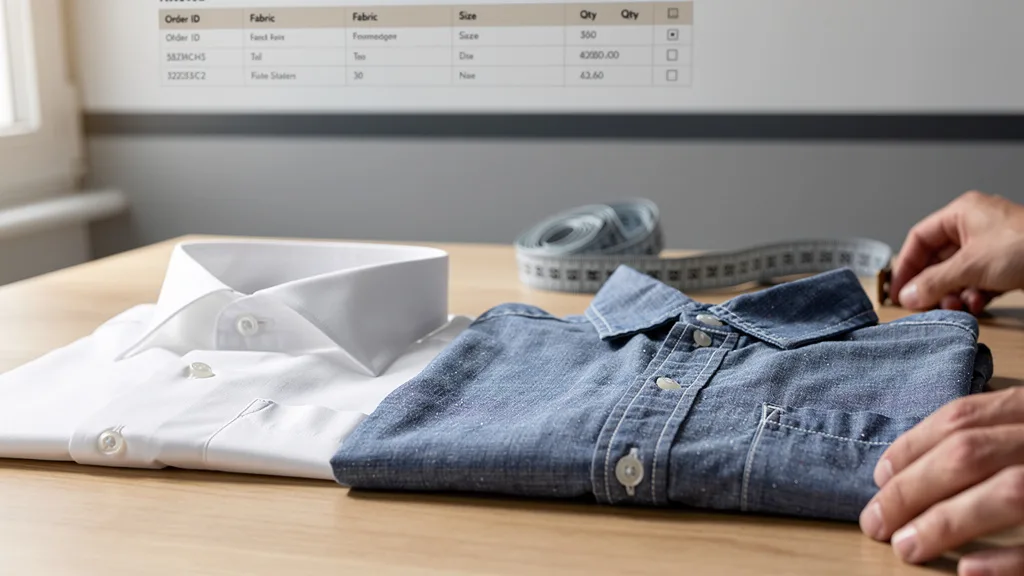
The construction of a casual shirt is inherently more relaxed. Collars are softer, fabrics are often more textured, and the fit can range from slim to loose. Details like chest pockets, contrasting buttons, and visible stitching are common design elements that add character. A casual shirt is meant to look just as good untucked with jeans as it does slightly dressed up with chinos.
Defining Features of Casual Shirts
While the category is broad, casual shirts share several key features that distinguish them from their formal cousins. These elements prioritize a laid-back aesthetic and practical comfort for everyday life. Understanding these will help you easily spot a casual shirt and know how to style it.
- Softer Collars: Many casual shirts feature a button-down collar, originally designed for polo players to keep their collars from flapping. Other styles include the camp collar and the simple band collar.
- Shorter, Straight Hem: The hem is cut shorter and often straight, making it look balanced and intentional when worn untucked.
- Variety in Details: Expect to see one or two chest pockets, contrasting button colors or thread, and even epaulets or roll-tab sleeves.
- Diverse Fits: Casual shirts come in a wide array of fits, from muscle-fit to oversized, allowing for greater personal expression and comfort. You can find excellent casual looks with jeans shirt for men that exemplify this versatility.
Popular Materials and Patterns
The world of casual shirting is rich with diverse materials and expressive patterns. Oxford cloth is a quintessential casual fabric, known for its basket-weave texture that is both durable and soft. For warmer weather, linen and chambray are go-to choices, prized for their lightweight and breathable qualities. In cooler months, flannel offers unbeatable softness and warmth.
When it comes to patterns, the options are nearly limitless. Classic checks, such as gingham and tartan plaid, are timeless staples. Bold stripes, intricate florals, geometric prints, and even novelty designs allow you to showcase your personality. The material and pattern work together to define the shirt’s overall vibe, from a rugged denim workshirt to a breezy floral vacation shirt.
Formal vs Casual Shirts: Key Differences at a Glance
While the lines can sometimes blur in modern fashion, a few key indicators will always help you distinguish between formal and casual shirts. Understanding these differences is crucial for navigating any dress code with confidence. The following table breaks down the most important distinctions side by side.

This comparison highlights the fundamental design philosophies behind each shirt type. Formal shirts are built for structure and to complement tailoring, while casual shirts are designed for comfort and self-expression. Paying attention to these details will ensure your outfit is always appropriate for the setting.
| Feature | Formal Shirts | Casual Shirts |
|---|---|---|
| Collar | Stiff, structured (Spread, Point) | Soft, relaxed (Button-down, Camp) |
| Cuffs | Barrel or French Cuffs | Standard button cuffs, often rollable |
| Fabric | Smooth weaves (Poplin, Twill) | Textured fabrics (Oxford, Linen, Flannel) |
| Pattern | Solid colors, subtle pinstripes | Bold checks, plaids, florals, prints |
| Hemline | Long, curved (for tucking) | Shorter, straight (can be untucked) |
| Placket | Covered or standard placket | Often a standard or contrasting placket |
| Occasion | Business, weddings, formal dinner | Relaxed weekend, social gatherings, daily wear |
Collar and Cuffs
The collar is perhaps the most telling feature. A formal shirt’s collar is constructed with interfacing to give it stiffness, allowing it to stand up properly and neatly frame a tie. A casual shirt’s collar is soft and unlined, like a button-down or camp collar, designed to lie flat and look relaxed without a tie. Similarly, formal shirts may feature French cuffs requiring cufflinks, an unmistakable sign of formality, whereas casual shirts have simple buttoned barrel cuffs that can be easily rolled up. grey shirt combination guide.
Fabric and Texture
Run your hand over the fabric. A formal shirt will feel smooth and crisp due to its fine weave, like poplin or twill. This creates a clean, sharp appearance suitable for professional environments. In contrast, a casual shirt often has a noticeable texture. Fabrics like Oxford cloth, chambray, linen, and flannel have a more rugged, relaxed, or breathable feel that makes them perfect for everyday wear but less suitable for pairing with a fine wool suit.
Fit and Hemline
The cut of the shirt’s body and the shape of its hem are designed for different purposes. A formal shirt is cut longer and has a curved, scooped hemline. This extra length ensures that when you tuck it into your trousers, it stays put as you move throughout the day. A casual shirt has a shorter, flatter hem, which looks more balanced and intentional when worn untucked. Wearing a formal shirt untucked often looks sloppy because of its excessive length and curved tails. You can learn more about pairing these with the right legwear in a formal vs casual trousers guide.
Buttons and Placket
Even small details like buttons can signal a shirt’s intent. Formal shirts typically use discreet, high-quality buttons, often made of mother-of-pearl, that blend in with the shirt. Some of the most formal styles feature a covered placket (a ‘fly front’) that hides the buttons entirely for a minimalist look. Casual shirts offer more freedom, often using buttons made of wood, thick plastic, or contrasting colors to add a point of interest. The placket itself might also feature contrasting fabric or stitching.
When to Wear Each Style: A Guide for Every Occasion
Choosing the right shirt is all about context. The same man can wear both types of shirts in a single week, but for very different reasons. Matching your shirt to the occasion’s formality is a sign of social awareness and good taste. This ensures you feel comfortable and look appropriate, whether you’re in the boardroom or at a backyard barbecue.
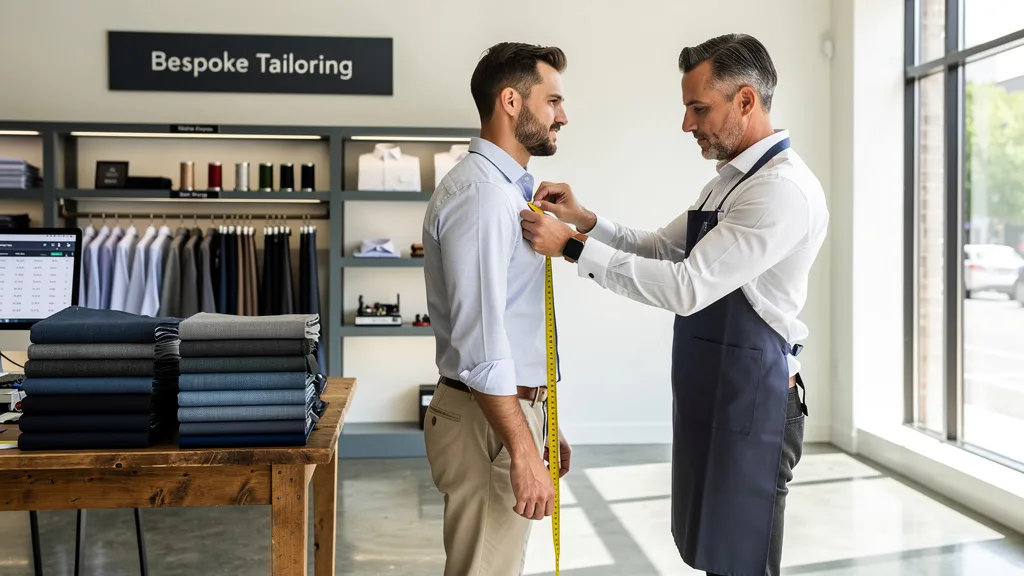
Think of your shirts as tools in your style toolkit. A formal shirt is a precision instrument for creating a sharp, authoritative look. A casual shirt is a versatile multi-tool, ready for a wide range of relaxed situations. Having a healthy selection of both means you’re prepared for whatever your schedule throws at you.
Occasions for Formal Shirts
Reserve your formal shirts for occasions that call for a higher level of dress. This includes most corporate office environments, important business meetings, and job interviews where making a strong first impression is critical. They are also the default choice for celebratory events like weddings, galas, formal dinners, and religious ceremonies. Essentially, any time you plan to wear a suit or a blazer and tie, a formal shirt is the correct choice. A grey shirt combination guide can offer excellent ideas for formal styling.
When to Opt for a Casual Shirt
Casual shirts are your go-to for the majority of your off-duty life. They are perfect for weekend outings, grabbing coffee with friends, date nights, and family gatherings. Many modern workplaces with a relaxed or business casual dress code also welcome them. A smart casual shirt, like an Oxford or a fine-gauge knit, can even be worn with a casual suit for a stylish, contemporary look. For more insights on this topic, many find guides on Formal vs Casual Shirts to be very helpful.
How to Choose the Right Shirt for Your Needs
Selecting the perfect shirt goes beyond just the casual vs formal debate. It involves considering the specific dress code, ensuring a flattering fit, and aligning the choice with your personal brand. A thoughtful approach will help you build a functional and stylish wardrobe where every piece earns its place.
“Your wardrobe is a reflection of your personal brand. The key is finding a balance between timeless formal pieces and expressive casual shirts that make you feel confident in any setting.”
By focusing on these three key areas, you can move from simply buying shirts to strategically building a collection that works for you. This ensures you not only look good but also feel comfortable and confident no matter where you are.
Consider the Dress Code
Always start by decoding the dress code of the event or venue. Terms like “business formal,” “business casual,” and “smart casual” can be confusing, but they provide clear clues. “Business formal” almost always requires a formal shirt and suit. “Business casual” offers more flexibility, allowing for a formal shirt without a tie or even a very smart casual shirt. “Smart casual” is the broadest category, where a nice casual shirt paired with chinos or dark jeans is often perfect. When in doubt, it’s always safer to be slightly overdressed than underdressed.
Find the Perfect Fit for Your Body Type
No matter how expensive or stylish a shirt is, it won’t look good if it doesn’t fit properly. The shoulder seams should sit right at the edge of your shoulders. You should be able to button the shirt comfortably without the placket pulling or gaping. There shouldn’t be more than a few inches of excess fabric around your waist. We offer shirts in various fits, from slim to classic, and even provide options like a stylish XXXXL t-shirt for daily wear to ensure everyone can find their perfect size.
Matching Shirts to Your Personal Style
Your shirt collection should be an extension of your personality. While it’s wise to build a foundation of versatile basics, like a crisp white formal shirt and a blue Oxford casual shirt, don’t be afraid to branch out. Experiment with colors and patterns that you’re drawn to. A well-chosen trendy black shirt combination can be just as impactful as a classic white one. The goal is to create a wardrobe that feels authentic to you and equips you for all facets of your life.
Key Takeaways
Navigating the world of men’s shirting is simple once you understand the core principles. Distinguishing between casual and formal styles allows you to build a functional wardrobe and dress appropriately for any situation. Here are the most important points to remember from our guide on casual vs formal shirts: when to wear each style.
- Formal Shirts: Defined by stiff collars, smooth fabrics, and a long, tuck-in hem. They are essential for business, weddings, and any event requiring a suit and tie.
- Casual Shirts: Characterized by soft collars, diverse patterns, textured fabrics, and a shorter hem that can be worn untucked. They are perfect for daily life and relaxed social settings.
- The Difference is in the Details: Pay close attention to the collar, cuffs, fabric, and hemline. These four elements are the most reliable indicators of a shirt’s intended formality.
- Context is King: The most important rule is to match your shirt to the occasion. A formal shirt at a beach party is as out of place as a flannel shirt in a boardroom.
- Fit is Paramount: Regardless of whether a shirt is formal or casual, a proper fit is the single most crucial factor in looking sharp and feeling confident.
Frequently Asked Questions
Even with a clear guide, specific questions often arise when building your wardrobe. Here are answers to some of the most common queries about formal and casual shirts.
Can you wear a formal shirt casually with jeans?
Yes, you can, but it requires careful execution to create a successful “smart casual” look. Opt for a formal shirt made from a slightly less crisp fabric, like a fine twill or Oxford cloth, and avoid very formal styles with French cuffs. Leave the top one or two buttons undone, roll up the sleeves, and make sure to leave it untucked. This pairing works best when the shirt has a modern, slim fit.
What is the 3-3-3 rule for building a wardrobe?
The 3-3-3 rule is a minimalist wardrobe challenge. It involves selecting only three tops (like shirts or sweaters), three bottoms (like trousers or jeans), and three pairs of shoes from your closet. You then commit to creating all your outfits from only these nine items for a specific period, such as a month or a season. It’s an effective exercise for discovering your personal style, mastering the art of mixing and matching, and identifying what pieces you truly love to wear.
How do you know if a shirt is high quality?
Look for several markers of quality craftsmanship. High-quality shirts have a high stitch density, meaning more stitches per inch along the seams, which makes them more durable. The fabric should feel substantial and pleasant to the touch, like 2-ply cotton. Check that the seams are clean and flat, and inspect the buttons; premium shirts often use thick, sturdy buttons made from mother-of-pearl rather than cheap plastic.
Are polo shirts considered casual or formal?
Polo shirts are firmly in the casual category. While they are a step up in formality from a basic t-shirt, they are not a substitute for a button-down shirt. They are an excellent choice for “smart casual” dress codes, perfect for a round of golf, a casual brunch, or a relaxed summer day at the office. However, they are not appropriate for business formal settings or any occasion that requires a tie.
What is the difference between a dress shirt and a formal shirt?
The terms “dress shirt” and “formal shirt” are often used interchangeably in everyday language. Generally, a dress shirt is any shirt with a collar and buttons down the front that is suitable for wearing with a tie. A “formal shirt” can sometimes refer to the most formal end of this spectrum, such as a tuxedo shirt with a pleated bib and French cuffs for a black-tie event. For most practical purposes, the distinction is minor. You can find excellent breakdowns of different Dress Shirts vs. Casual Shirts online.
Conclusion
Mastering the difference between casual and formal shirts empowers you to dress with confidence for any event on your 2026 calendar. The key is to analyze a shirt’s core components—its collar, fabric, and hem—and match its inherent formality to the occasion’s dress code. By strategically building a wardrobe that includes both crisp formal shirts and expressive casual options, you create a versatile style foundation that ensures you are always perfectly dressed.
Ready to find the perfect shirt for your next occasion? Explore our curated collection of premium formal and casual shirts, crafted for exceptional style and comfort. We have designs for every man, woman, and child, delivered right to your door. Discover your new favorite shirt today.
If you want help turning this into a concrete plan for your site or team, take the next step below to apply Casual vs Formal Shirts: When to Wear Each Style with confidence.
Ready to act on Casual vs Formal Shirts: When to Wear Each Style? SHOP NOW — tell us your goal, and we will help you pick the highest-leverage next step so you are not guessing alone.