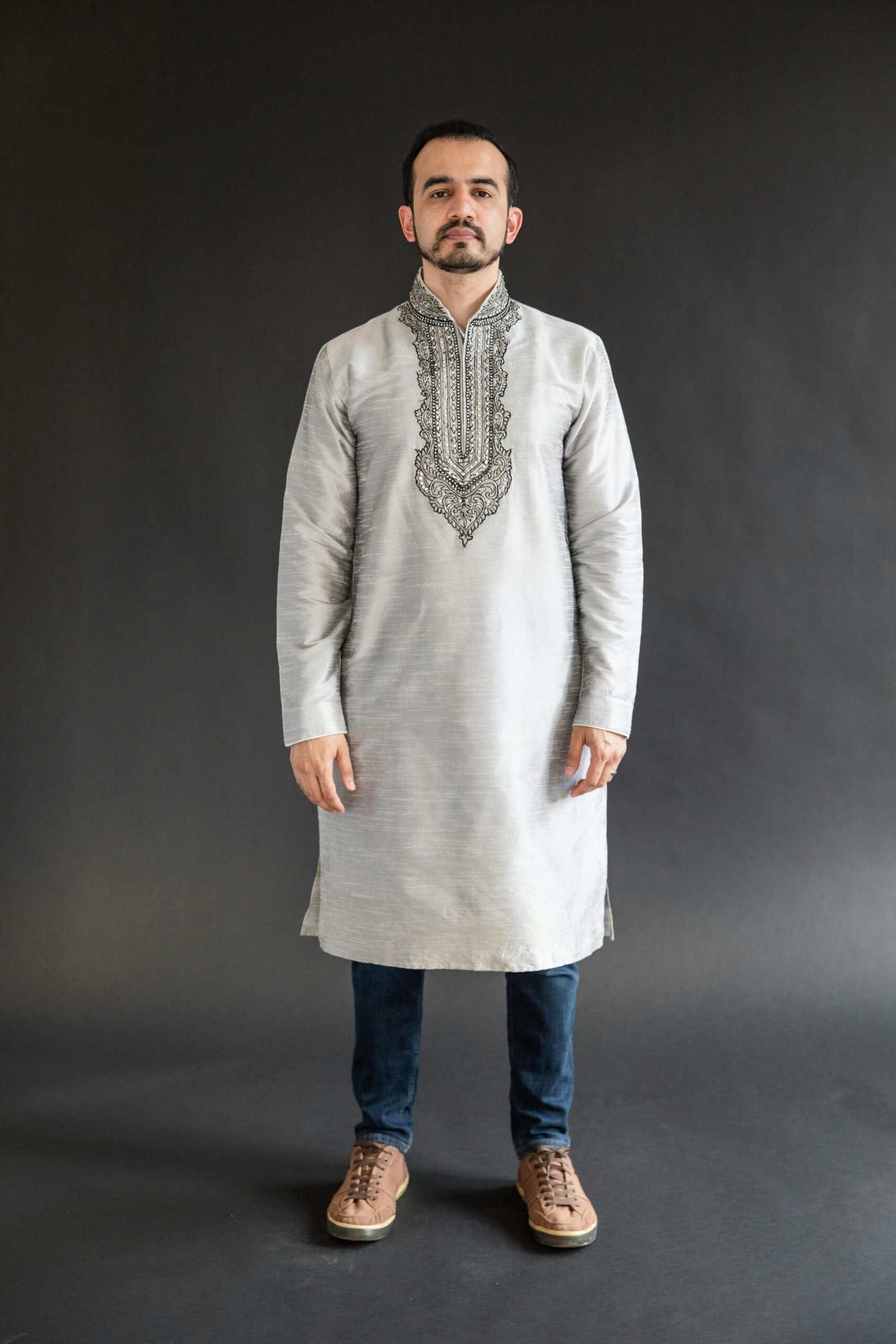


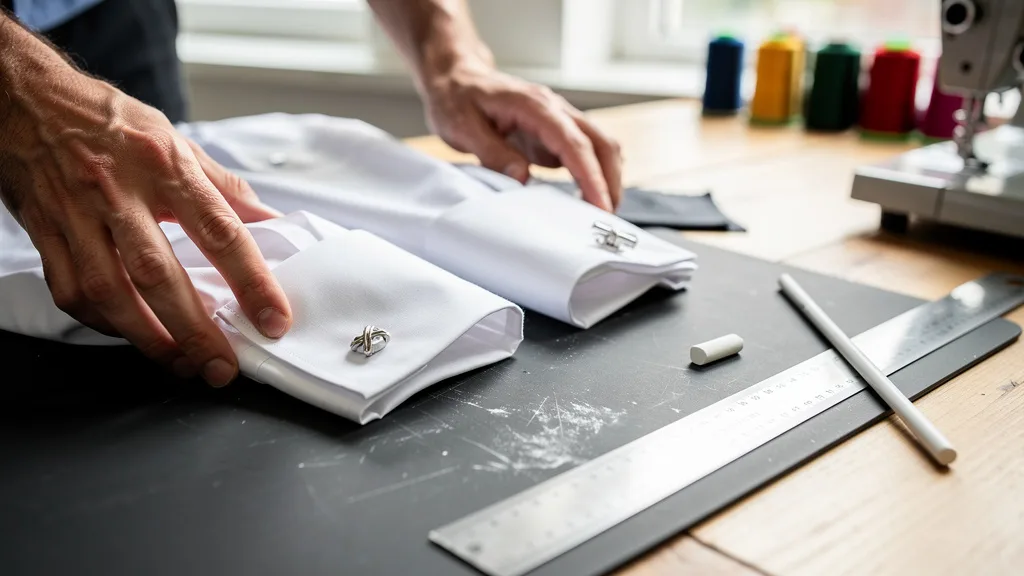
Have you ever stood before your wardrobe, suit in hand, wondering which dress shirt makes the right statement? The small detail of a shirt’s cuff can dramatically alter the formality and style of your entire outfit. Understanding the difference between these cuff styles is key to mastering your look for any occasion, from the boardroom to a black-tie event.
The choice between a barrel cuff vs French cuff boils down to formality and function. A barrel cuff is the standard, single-layer cuff that closes with one or two buttons, making it perfect for everyday business and casual wear. In contrast, a French cuff is a double-layered cuff that folds back and fastens with cufflinks, reserved for formal occasions and moments when you want to display a higher level of sartorial elegance.
Understanding the Barrel Cuff: The Everyday Standard
The barrel cuff is the most common type of shirt cuff you will encounter. It is defined by its straightforward design: a single layer of fabric that wraps around the wrist and fastens with buttons. This simplicity is its greatest strength, offering a clean, functional, and understated finish to a dress shirt. Its name comes from the way it forms a circle, or barrel shape, around the wrist once buttoned.

Nearly every ready-to-wear dress shirt comes with barrel cuffs, making them the default for most men’s wardrobes. They are versatile, practical, and require no extra accessories. This cuff style provides a professional appearance without being overly formal, fitting seamlessly under the sleeve of a suit jacket or a casual blazer.
Key Characteristics of Barrel Cuffs
The defining feature of a barrel cuff is its button closure. Most shirts feature one or two buttons for fastening, with two-button versions offering a bit of adjustability for wrist size. Beyond the buttons, the shape of the cuff’s corner is a subtle detail that adds character to the shirt.
These are the primary characteristics to look for:
- Button Closure: Uses one or two buttons to secure the cuff. No cufflinks are needed.
- Single Layer: The cuff is made from a single layer of fabric, making it less bulky than a French cuff.
- Stiffness: It is typically lined with an interlining to give it structure and a crisp appearance.
- Corner Shape: The edge of the cuff can be rounded, squared (straight), or mitered (cut at an angle) for stylistic variation.
Common Barrel Cuff Variations
While all barrel cuffs serve the same function, their design can vary. A rounded cuff is the most common and arguably the most casual of the options. It has a soft, curved edge that works well with most shirts. A square cuff has a sharp, 90-degree corner, offering a slightly more modern and assertive look.
The mitered cuff, which is cut at a 45-degree angle, is often seen as a more formal and sophisticated barrel cuff option. It mirrors the angular lines of a suit’s lapels and adds a touch of bespoke flair. Some shirts also feature two-button barrel cuffs, which not only allow for a custom fit but also provide a more substantial look on the wrist, often preferred for business settings.
Defining the French Cuff: The Formal Choice
The French cuff is the epitome of formal elegance in shirting. Unlike the barrel cuff, it is twice as long and designed to be folded back on itself, creating a distinctive double layer of fabric at the wrist. This layered cuff is not fastened with buttons; instead, it features buttonholes on both sides that are secured with cufflinks.
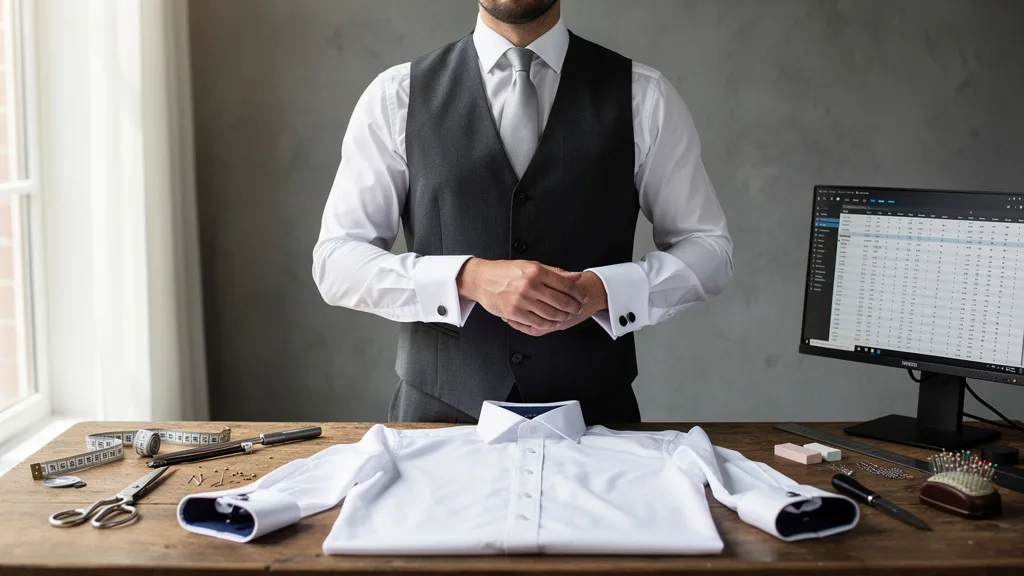
This style immediately signals a higher level of formality and attention to detail. It is the traditional choice for black-tie events, weddings, and the most formal business environments. Wearing a French cuff shirt demonstrates a conscious style choice and an appreciation for the finer points of menswear. Its clean, sharp lines create a powerful and sophisticated silhouette.
The Anatomy of a French Cuff
The construction of a French cuff is what sets it apart. The extended fabric is folded back, aligning the four buttonholes (two on each side of the open cuff). A cufflink is then inserted through all four layers of fabric, securing the cuff in a distinctive “kissing” style where the inner faces of the cuff touch. This creates a thicker, more substantial presence on the wrist.
The fold gives the cuff a beautiful roll and a feeling of luxury. This structure is what makes it stand out from under a suit jacket sleeve. When selecting a shirt, a proper fit is crucial to ensure the cuff extends about half an inch beyond the jacket sleeve, allowing the cufflinks to be visible.
The Essential Role of Cufflinks
Cufflinks are inseparable from the French cuff; one cannot function without the other. They are more than just fasteners; they are a key piece of men’s jewelry and a primary way to express personal style within the confines of formalwear. The choice of cufflinks can say a lot about the wearer, from classic and understated to bold and expressive.
Cufflinks come in countless designs, materials, and mechanisms. Simple silk knots are a great entry point, while engraved silver or gold bars offer timeless elegance. For those looking to make a statement, novelty or gemstone cufflinks provide an opportunity for personalization. Matching the metal of your cufflinks to your watch and other accessories creates a cohesive and polished look.
Barrel Cuff vs French Cuff: A Side-by-Side Comparison
Choosing the right cuff style depends entirely on the occasion, your personal style, and the statement you wish to make. While both are excellent options, they serve very different purposes in a well-curated wardrobe. Understanding their distinct characteristics helps you make the perfect choice every time you get dressed.
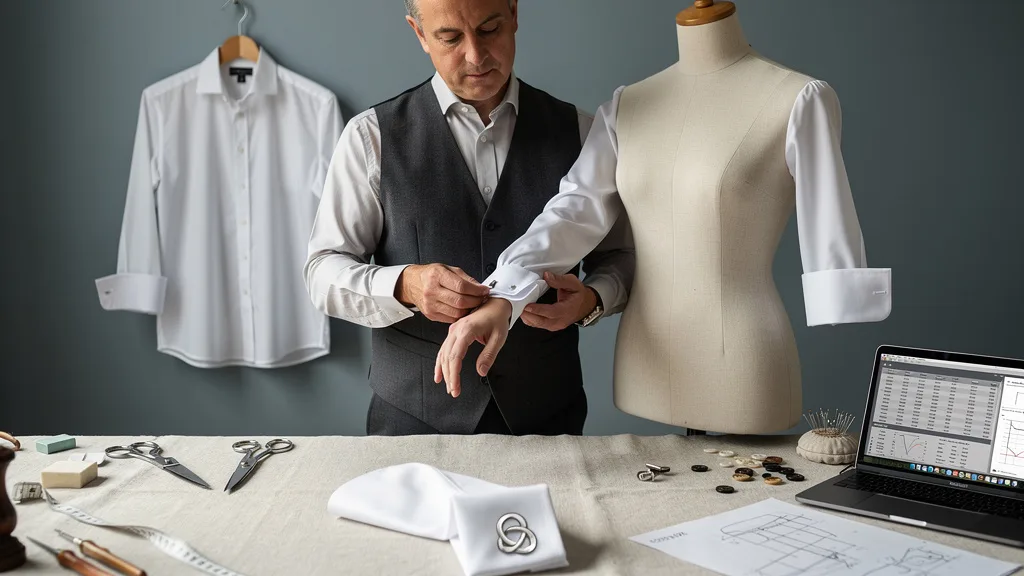
This table breaks down the fundamental differences between the two classic shirt cuff styles.
| Feature | Barrel Cuff | French Cuff |
|---|---|---|
| Formality | Standard to Business Casual | Formal to Black Tie |
| Closure | Buttons | Cufflinks |
| Occasion | Daily office wear, weekends, most business meetings | Weddings, galas, formal dinners, important presentations |
| Versatility | High; pairs with suits, blazers, and casual wear | Low; primarily for formal suits and tuxedos |
| Structure | Single layer of fabric | Double layer of fabric (folded back) |
| Accessories | None required | Cufflinks are mandatory |
Formality and Appropriate Occasions
The most significant distinction in the barrel cuff vs French cuff debate is formality. Barrel cuffs are the workhorse of the shirt world. They are appropriate for almost any situation that isn’t strictly black-tie, including daily work at the office, business travel, and smart-casual events. Their understated nature makes them a safe and stylish bet.
French cuffs, on the other hand, are reserved for occasions that call for a higher degree of formality. They are the standard for tuxedos and are the preferred choice for formal weddings, charity galas, and upscale evening events. In a corporate setting, wearing French cuffs to a major presentation or a board meeting can project confidence and authority.
Closure Mechanism: Buttons vs Cufflinks
The functional difference is simple but crucial. Barrel cuffs use integrated buttons, making them quick and easy to fasten. This convenience is a large part of their universal appeal. You can put on the shirt and be ready to go without a second thought.
French cuffs require the separate accessory of cufflinks. This adds an extra step to getting dressed but also an extra opportunity for personalization. The need for cufflinks inherently elevates the cuff, turning a simple fastener into a piece of jewelry and a style statement.
Versatility and Wardrobe Integration
When it comes to versatility, the barrel cuff is the clear winner. A shirt with barrel cuffs can be worn with a full suit, a sport coat and trousers, or even with jeans for a relaxed but polished look. This flexibility makes them an essential foundation for any man’s wardrobe.
“While the French cuff is a mark of high formality, the beauty of the barrel cuff lies in its universal adaptability. A well-made shirt with a crisp barrel cuff can navigate nearly any social or professional landscape with ease, making it the most versatile tool in your style arsenal.”
French cuffs are specialists. They are designed to be worn with suits and tuxedos and look out of place in more casual settings. Attempting to wear a French cuff shirt with jeans or chinos would create a jarring style clash. Their power lies in their specialization for formal ensembles, where they add an unmatched level of polish. A great grey shirt combination with a suit can be perfectly executed with a simple, elegant barrel cuff.
How to Choose the Right Cuff for Your Suit
Selecting the right cuff is about aligning your shirt with the formality of your suit and the event’s dress code. A mismatched cuff can undermine an otherwise perfect outfit. Think of your shirt cuff as the supporting actor to your suit’s leading role; it needs to complement the main feature, not compete with it.

Consider the fabric and style of your suit. A formal, dark worsted wool suit pairs naturally with the elegance of a French cuff. Conversely, a more relaxed tweed sport coat or a linen summer suit is a much better match for the understated simplicity of a barrel cuff. The key is to create a harmonious and intentional look from head to toe.
When to Wear a Barrel Cuff Shirt
A barrel cuff shirt is your go-to for the vast majority of occasions. It is the correct choice for your daily office attire, whether you work in a corporate or a business-casual environment. It pairs perfectly with any standard business suit, blazer, or sport coat.
Wear a barrel cuff for job interviews, most business meetings, and client lunches. It’s also the ideal choice for date nights, smart-casual parties, and weekend events where you want to look put-together without being overdressed. Its no-fuss nature makes it practical and effortlessly stylish for everyday life.
Reserve your French cuff shirts for moments that matter most. They are non-negotiable for black-tie events where you’ll be wearing a tuxedo. They are also the superior choice for your own wedding or if you are a guest at a formal wedding. Knowing the best shirt colour for men is just as important as the cuff style for these events.
In the business world, deploy the French cuff strategically. Wear one for a keynote speech, a crucial negotiation with high-level executives, or a formal company dinner. It is a power play that communicates confidence, sophistication, and respect for the occasion. Essentially, if the invitation says “formal,” “black-tie optional,” or you simply want to make the strongest possible impression, the French cuff is your answer.
Styling Your Shirt Cuffs in 2026
In 2026, the principles of classic menswear remain strong, but with an emphasis on personal expression and perfect fit. Both cuff styles have their place, and styling them correctly involves paying attention to the details that surround them. The goal is to create a look that feels both timeless and contemporary.
Whether you opt for the everyday reliability of a barrel cuff or the formal flair of a French cuff, ensure your shirt sleeve is the correct length. It should extend about a half-inch past your jacket sleeve, creating a clean line and showcasing your cuff of choice. This small detail of immaculate tailoring makes a significant difference in your overall appearance.
Pairing Barrel Cuffs with Your Outfit
Styling a barrel cuff is straightforward. The key is to ensure it remains crisp and clean. With a suit, a simple one or two-button barrel cuff looks sharp and professional. A quality watch is the perfect accessory to pair with a barrel cuff, as the cuff provides a clean backdrop for your timepiece. For a more detailed look at how to style different Shirt Cuffs, you can explore guides that break down the nuances.
For a business casual look, you can roll up the sleeves of a barrel cuff shirt for a more relaxed vibe. However, when wearing a jacket, always keep the cuffs buttoned and at your wrist. The beauty of the barrel cuff is its subtlety, so let it play its supporting role with quiet confidence. A trendy black shirt combination for an evening out can be perfectly stylish with a neat barrel cuff.
Selecting the Perfect Cufflinks for French Cuffs
Cufflinks are the main event when styling a French cuff. Your choice should reflect the formality of the occasion and your personal taste. For the most formal events like black tie, stick to classic, elegant designs in silver, gold, or mother-of-pearl. Simple bar, oval, or square shapes are timeless. Shirt Cuffs.
For business-formal settings or weddings, you have more creative freedom. Silk knot cufflinks add a touch of color and texture and are a less formal option. Engraved or enameled cufflinks can add a personal touch. As a rule of thumb, match the metal of your cufflinks to your watch and belt buckle for a cohesive look. Avoid overly large or novelty cufflinks unless the event is specifically themed or you’re known for a flamboyant personal style.
Key Takeaways
Navigating the world of men’s shirting is easier when you understand the core principles. The choice between a barrel and French cuff is a fundamental one that sets the tone for your entire look. Here are the most important points to remember:
- Barrel Cuffs are for Versatility: As the standard buttoned cuff, they are your reliable choice for daily business, business casual, and most social situations.
- French Cuffs are for Formality: The double-fold, cufflink-fastened style is reserved for formal events, black-tie functions, and moments where you need to make a powerful impression.
- The Occasion is Key: Let the dress code guide your decision. When in doubt, a barrel cuff is the safer, more versatile option. For formal events, a French cuff is expected.
- Cufflinks are an Expression: With French cuffs, your cufflinks are a crucial accessory. Choose them wisely to complement your outfit and express your personal style.
Frequently Asked Questions
Can I wear a French cuff shirt with any suit?
While you can technically pair a French cuff shirt with almost any suit, it will always elevate the suit’s formality. They work best with sharp, well-tailored business suits in classic colors like navy, charcoal, and black. Pairing them with more casual suits, such as those made from linen or tweed, can create a stylistic mismatch. The key is to ensure the elegance of the cuff matches the elegance of the suit.
Are French cuffs still in style in 2026?
A French cuff shirt with a sport coat and trousers is generally considered too formal. Stick to wearing them with full suits to maintain a cohesive and appropriate look. The goal is to appear polished, not overdressed for the setting.
When should you not wear French cuffs?
Yes, absolutely. French cuffs are a timeless element of classic menswear and are very much in style for formal occasions in 2026. While daily office wear has become more relaxed, the need for formal attire for weddings, galas, and high-stakes business events remains. In these contexts, the French cuff is not just in style; it is the standard of elegance.
What is a convertible cuff?
Fashion trends may come and go, but the sophistication of a well-pressed French cuff secured with a handsome cufflink is perennial. It’s a detail that signifies tradition and an appreciation for dressing well, qualities that never go out of style.
Do barrel cuffs ever use cufflinks?
You should avoid wearing French cuffs in any casual or informal setting. This includes weekend get-togethers, casual offices, and any event where you might wear jeans, chinos, or shorts. A French cuff shirt would look conspicuously out of place and fussy in these environments.
Similarly, avoid them for outdoor or sporting activities. The barrel cuff‘s practicality and durability make it the superior choice for anything less than business-formal attire. The general rule is: if a tie is optional or not required, a French cuff is likely inappropriate.
A convertible cuff is a clever hybrid designed to offer the best of both worlds. It looks like a standard barrel cuff but features a buttonhole on both sides of the cuff, in addition to a button. This design allows you to wear it in two ways: either fastened with the button like a regular barrel cuff or fastened with cufflinks through the buttonholes.
While they offer great versatility, traditionalists often view them as a compromise. They lack the clean, dedicated function of a true barrel cuff and the luxurious fold of a true French cuff. However, for someone building a minimalist wardrobe, a shirt with convertible cuffs can be a practical and budget-friendly option.
Standard barrel cuffs are designed exclusively for use with buttons and do not accommodate cufflinks. The defining feature of a barrel cuff is its button closure. However, the exception to this rule is the convertible cuff, as described above, which is a specific type of barrel-style cuff adapted to also accept cufflinks.
If you come across a shirt that looks like a barrel cuff but has a buttonhole on the non-button side, it is a convertible cuff. People often ask online “What kind of cuffs are these?” when encountering this style. But a true, classic barrel cuff will only have a button and a buttonhole on the opposite flap.
Conclusion
Ultimately, the choice in the barrel cuff vs French cuff debate is a reflection of context and personal style. Mastering your wardrobe means knowing when to deploy the reliable versatility of the barrel cuff for your daily endeavors and when to embrace the formal elegance of the French cuff for life’s special moments. By understanding the distinct role each cuff plays, you can ensure your attire is always appropriate, polished, and perfectly suited to the occasion.
Now that you can confidently distinguish between these essential shirt styles, you can build a collection that serves you for every event on your calendar. Explore our curated selection of premium shirts, crafted with immaculate tailoring to suit every occasion. Find the perfect foundation for your next great look.
If you want help turning this into a concrete plan for your site or team, take the next step below to apply Barrel Cuff vs French: Shirt Cuff Styles for Suits with confidence.
Ready to act on Barrel Cuff vs French: Shirt Cuff Styles for Suits? SHOP NOW — tell us your goal, and we will help you pick the highest-leverage next step so you are not guessing alone.