

Have you ever wondered how to keep your premium big and tall shirts looking as sharp and feeling as comfortable as the day you bought them? Investing in high-quality apparel is the first step, but proper maintenance is what truly preserves the fit, fabric, and color of your favorite garments for years to come.
Proper Big and Tall Shirt Care involves a series of mindful steps, from decoding the care label to choosing the right washing, drying, and storage methods. Using cold water, gentle detergents, avoiding high-heat dryers, and selecting sturdy hangers are fundamental practices. These techniques prevent shrinkage, fabric damage, and stretching, ensuring your premium shirts maintain their impeccable quality and fit.

“The longevity of a premium garment is a partnership between the maker and the owner. We craft it with the finest materials, and you preserve it with thoughtful care. For big and tall sizes, this care is even more crucial to maintain the structure and fit.”
Understanding Fabric Care Labels on Your Shirts
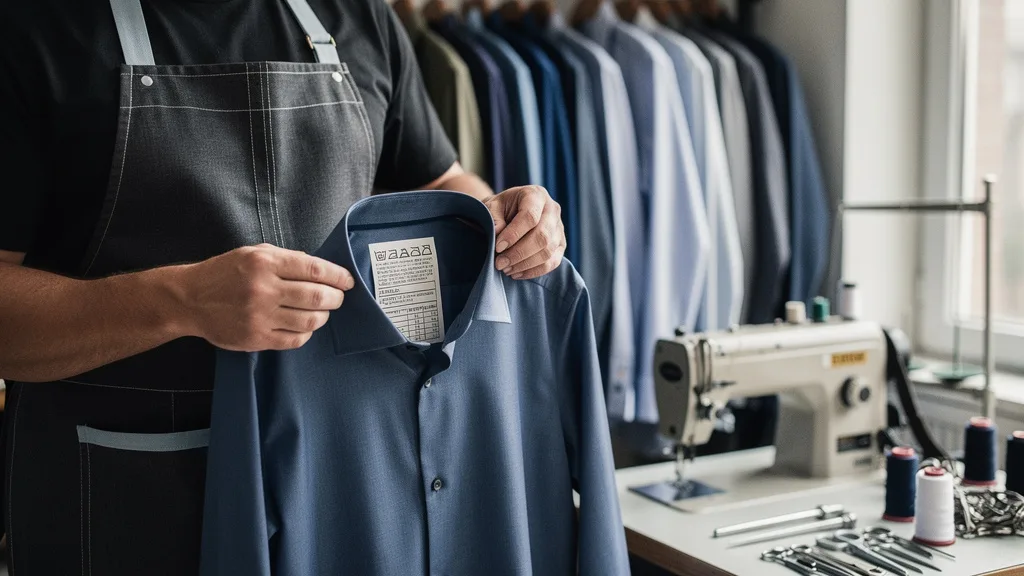
The small tag stitched into your shirt is your most reliable guide to its care. These labels use a standardized system of symbols to provide specific instructions directly from the manufacturer. Ignoring them is a common mistake that can lead to irreversible damage like shrinking, color bleeding, or fabric degradation. Taking a moment to understand these symbols is essential for protecting your investment.
Common symbols include a wash tub indicating water temperature and cycle, a triangle for bleaching instructions, a square for drying methods, and an iron for heat settings. For example, a tub with one dot means wash in cold water, while a square with a circle inside and an ‘X’ through it means do not tumble dry. Familiarizing yourself with these international fabric care symbols ensures you are following the best practices for each specific garment. For more foundational knowledge, review a beginner’s guide to premium shirt care.

The Washing Process: Best Practices for Big and Tall Shirts
The washing process is where many shirts either retain their quality or begin to show wear. For premium fabrics used in big and tall sizing, the goal is to clean effectively while minimizing stress on the fibers and seams. This requires a thoughtful approach to everything from detergent selection to the wash cycle itself. Proper washing prevents the gradual breakdown of fabric that leads to a loss of shape and texture.

Choosing the Right Laundry Detergent for Premium Fabrics
The detergent you use has a significant impact on the lifespan of your shirts. Opt for a mild, pH-neutral liquid detergent that is free from harsh chemicals, dyes, and excessive fragrances. Harsh detergents can strip natural fibers like cotton and linen of their oils, leaving them brittle and prone to damage. Bleach, even color-safe versions, should be avoided unless explicitly permitted on the care label, as it can weaken fibers and cause discoloration over time.
For those with sensitive skin or a preference for sustainable products, plant-based detergents are an excellent choice. Many are formulated to be gentle on both fabrics and the environment, aligning with the quality of your premium apparel. Look for products that are part of the EPA’s Safer Choice program to ensure they meet stringent safety standards. Remember, when it comes to premium shirts, less is more; using too much detergent can leave a residue that dulls the fabric and attracts dirt.
Hand Washing vs Machine Washing Your Shirts
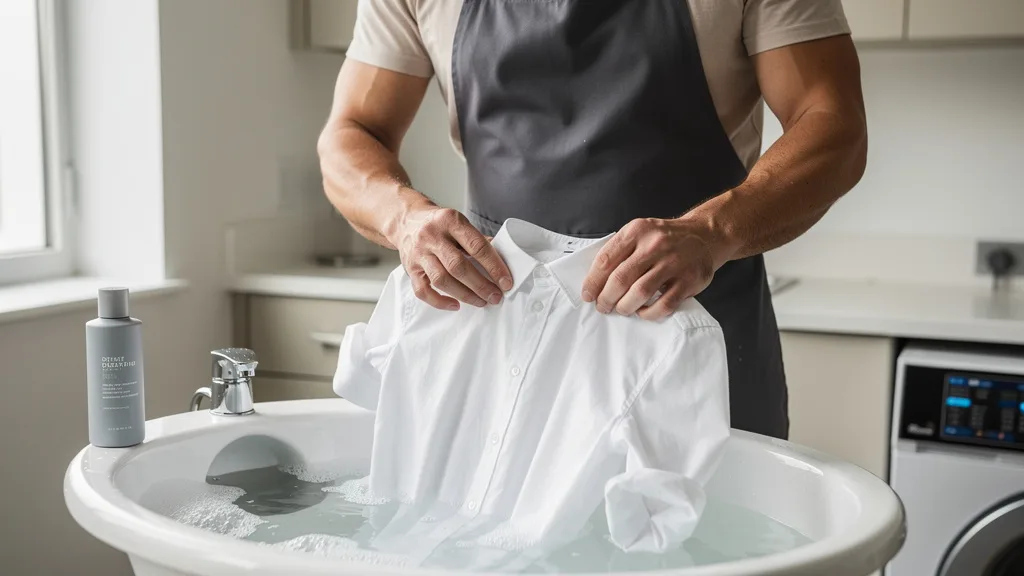
Deciding between hand washing and machine washing depends on the shirt’s fabric and construction. Hand washing is always the gentlest option and is highly recommended for delicate materials like silk, fine linen, or shirts with intricate embroidery. It gives you complete control over the process, reducing the risk of snagging or stretching that can occur in a machine.
However, machine washing is a practical choice for most durable cotton and cotton-blend shirts, provided you use the correct settings. To avoid common mistakes when buying premium shirts and caring for them, always fasten all buttons and turn the shirt inside out to protect the outer surface and collar. Placing shirts in a mesh laundry bag provides an extra layer of protection against twisting and snagging, especially in a mixed load.
Correct Water Temperature and Cycle Settings
Water temperature is a critical factor in preventing shrinkage and fading. For almost all premium shirts, cold water (around 60-80°F or 15-27°C) is the safest and most effective choice. It cleans the fabric thoroughly without the risk of shrinking the fibers or causing vibrant colors to bleed. Warm or hot water should only be used for heavily soiled white shirts made from durable cotton, and only if the care label permits it.
When using a washing machine, always select the ‘delicate,’ ‘gentle,’ or ‘hand wash’ cycle. These cycles use a slower spin speed and less agitation, mimicking the gentle nature of hand washing. For big and tall shirts, it is also important not to overload the machine. Garments need ample space to move freely in the water to get properly cleaned and rinsed, reducing wrinkling and stress on the seams.
Drying Techniques to Preserve Fit and Fabric
How you dry your shirt is just as important as how you wash it. The heat and tumbling motion of a conventional dryer are the primary culprits behind shrinkage and fabric damage. Adopting gentle drying techniques is one of the most effective care tips for premium shirts in big and tall sizes to ensure they maintain their original dimensions and feel.
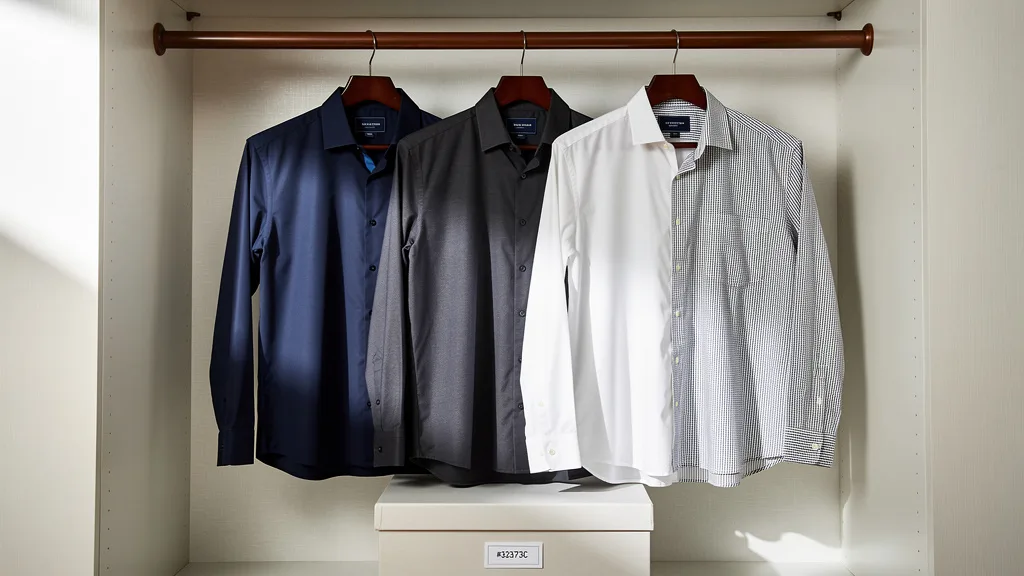
Why You Should Avoid High-Heat Tumble Dryers
High-heat tumble dryers are the single greatest threat to the fit and longevity of your premium shirts. The intense heat can cause cotton, linen, and other natural fibers to contract, resulting in significant and often permanent shrinkage. This is especially problematic for big and tall sizes, where every inch of length and width is crucial for a comfortable fit. The tumbling action also creates friction that wears down fibers over time, leading to pilling and a loss of softness.
Furthermore, high heat can set in wrinkles, making them much harder to iron or steam out later. It can also damage the synthetic components in blended fabrics and degrade the elasticity in cuffs and collars. If you must use a dryer, choose the ‘no heat’ or ‘air fluff’ setting for a short period to remove initial moisture before hanging the shirt to dry completely.
Proper Air-Drying and Flat-Drying Methods
The best method for drying your premium shirts is air-drying. After washing, gently shake the shirt out to release wrinkles and place it on a sturdy, wide-shouldered hanger. Fasten the top button to help the collar keep its shape. Hang the shirt in a well-ventilated area away from direct sunlight, as UV rays can cause colors to fade over time. This method uses no heat and allows gravity to gently pull out most wrinkles.
For heavier knit shirts or sweaters, flat-drying is the preferred method to prevent stretching. Lay a clean, dry towel on a flat surface and place the shirt on top of it, gently patting it into its original shape. This supports the full weight of the garment, preventing the shoulders and body from elongating while wet. While it takes longer, both air-drying and flat-drying are essential for preserving the integrity of your high-quality apparel.
Ironing and Steaming for a Flawless Finish
A wrinkle-free finish is the final touch that distinguishes a well-cared-for shirt. Both ironing and steaming are effective methods, but each requires the right technique to avoid scorching or damaging the fabric. For larger shirts, having an efficient process can save you significant time and effort while achieving a professional, crisp look.
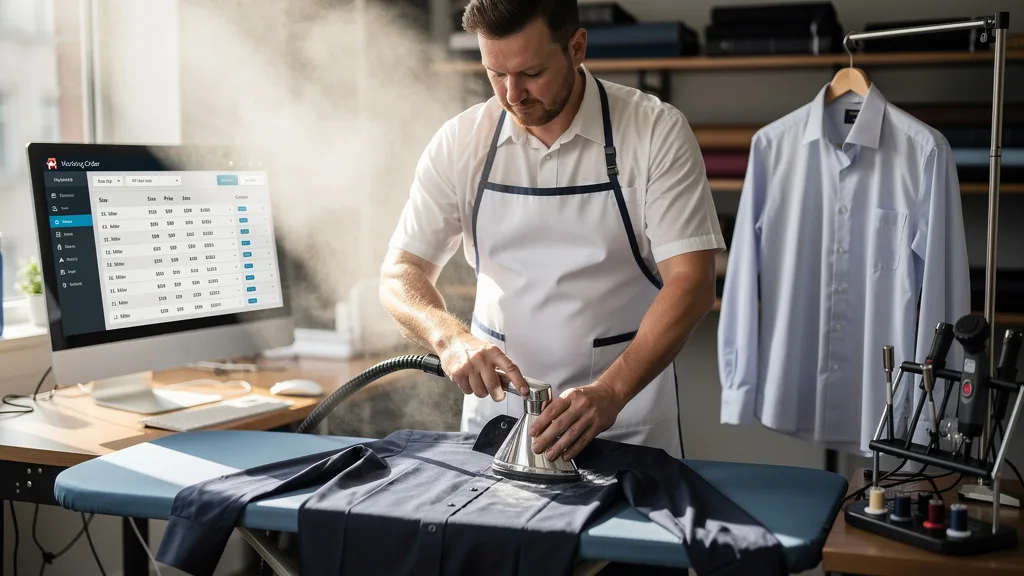
Proper Ironing Techniques for Different Fabrics
Ironing is a classic way to achieve a sharp, crisp finish, but the key is to use the correct heat setting for the fabric type. Ironing a shirt while it is still slightly damp makes the process much easier and more effective. If the shirt is completely dry, use a spray bottle to lightly mist it with water. Always start with a lower temperature and increase it if necessary, and keep the iron moving to prevent scorching.
For dark-colored shirts, iron them inside-out to prevent creating a sheen on the fabric surface. Start with the collar, then move to the cuffs, sleeves, front panels, and finally the back. This systematic approach ensures you cover all areas without repeatedly wrinkling parts you have already finished. Using a quality ironing board with a clean cover is also crucial for a smooth result.
| Fabric Type | Iron Temperature | Steam Recommendation | Ironing Tip |
|---|---|---|---|
| 100% Cotton | Medium to High | Use plenty of steam | Iron while slightly damp for best results. |
| Linen | High | Essential for removing wrinkles | Iron inside-out to avoid shine. |
| Silk / Silk Blends | Low | Use sparingly or not at all | Place a press cloth between the iron and the fabric. |
| Synthetic Blends (Polyester) | Low to Medium | Use as needed | Can melt at high temperatures; test on an inconspicuous area. |
Using a Steamer for Wrinkle-Free Large Shirts
A garment steamer is an excellent, and often superior, alternative to an iron, especially for large shirts and delicate fabrics. Steamers relax the fabric fibers to release wrinkles without the direct, high-pressure heat of an iron. This makes them much gentler on the fabric and eliminates the risk of scorching. They are also faster for quick touch-ups before you head out the door.
For big and tall shirts, a standing steamer can be more efficient than a handheld model. Hang the shirt on the steamer’s built-in hanger, hold the fabric taut at the bottom, and run the steam nozzle down the garment in smooth, vertical strokes. The steam will quickly penetrate the large surface area, releasing wrinkles in seconds. This method is particularly effective for refreshing a shirt that has been stored in a closet.
Storing Your Premium Shirts to Prevent Damage
Proper storage is the final piece of the puzzle in long-term shirt care. How you store your shirts between wears can either protect them or cause damage like stretching, permanent creasing, and discoloration. A well-organized closet with the right accessories is essential for maintaining your wardrobe.
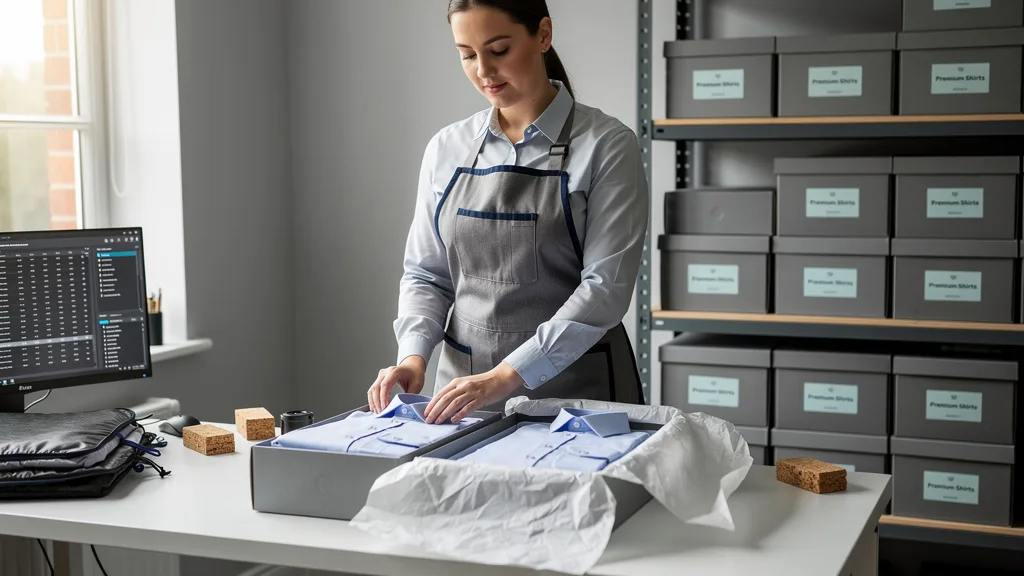
The Importance of Using the Right Hangers
The type of hanger you use matters immensely, especially for heavier big and tall shirts. Thin wire or flimsy plastic hangers do not provide adequate support for the shoulder area. Over time, their narrow shape can create unsightly puckers or ‘shoulder bumps’ and can even cause the fabric around the shoulders to stretch out of shape due to the garment’s weight.
Invest in sturdy, wide hangers made from wood or high-quality molded plastic. These hangers should have a curved shape that mimics the natural slope of your shoulders. This design distributes the weight of the shirt evenly, preventing stress points and helping the collar and shoulder seams maintain their intended structure. For silk or other slippery fabrics, velvet-flocked hangers are a great option to keep shirts from sliding off.
Folding vs Hanging: What’s Best for Big and Tall Shirts?
The decision to fold or hang depends on the shirt’s material. Woven dress shirts, whether cotton, linen, or a blend, should always be hung. Hanging prevents the hard-to-remove creases that can form when a starched or ironed shirt is folded. It allows the fabric to breathe and maintains the crisp finish from your ironing or steaming efforts.
On the other hand, knit shirts, such as t-shirts, polos, and sweaters, are best stored folded. The stretchy nature of knit fabrics makes them susceptible to stretching when hung, as their own weight can pull them out of shape over time. Properly folding your stylish XXXXL t-shirts and other knits and storing them in a drawer or on a shelf will preserve their fit and extend their life.
Long-Term Storage Solutions for Your Wardrobe
For shirts that you won’t be wearing for a season, proper long-term storage is key. Before storing any garment, ensure it is thoroughly cleaned and completely dry. Storing dirty clothes can attract pests and allow stains to set permanently, while even a small amount of moisture can lead to mildew and musty odors.
Place cleaned shirts in breathable garment bags made of cotton or canvas. Avoid storing them in the plastic bags from the dry cleaner, as plastic traps moisture and can cause yellowing over time. Store the garment bags in a cool, dark, and dry place, like a closet or under a bed. Avoid attics or basements where temperature and humidity can fluctuate dramatically, which is detrimental to fabric health.
Professional Care: When to Choose Dry Cleaning
While home laundering is suitable for most shirts, there are times when professional care is the better choice. Dry cleaning is necessary for certain delicate fabrics like silk, wool, or rayon that are listed as ‘dry clean only’ on the care label. Water can damage these fibers, causing them to shrink, warp, or lose their texture. Entrusting them to a professional ensures they are cleaned safely.

Dry cleaning is also the most effective solution for removing stubborn, oil-based stains like grease or salad dressing. Professionals have access to specialized solvents that can dissolve these stains without harming the fabric. While it can be more expensive than washing at home, considering the true cost of a premium shirt, professional cleaning can be a worthwhile investment to save a favorite garment from being ruined by a difficult stain.
Key Takeaways
Maintaining your premium big and tall shirts is straightforward when you follow a few key principles. This summary highlights the most critical actions you can take to ensure your garments remain in pristine condition.
- Always Read the Label: The care tag is your primary instruction manual. Follow its guidance on washing, drying, and ironing.
- Wash with Care: Use cold water and a gentle cycle with a mild detergent. Hand wash delicate items whenever possible.
- Avoid High-Heat Drying: Air-dry shirts on wide, sturdy hangers to prevent shrinkage and preserve the fabric’s integrity. Never use a high-heat tumble dryer.
- Use the Right Hangers: Store woven shirts on wide, supportive wooden or molded hangers to maintain shoulder shape and prevent stretching.
- Fold Your Knits: Store t-shirts, polos, and sweaters folded in a drawer to prevent them from stretching out of shape.
- Know When to Dry Clean: Reserve professional dry cleaning for ‘dry clean only’ fabrics and for treating stubborn, oil-based stains.
Frequently Asked Questions
How much does professional laundering for dress shirts cost?
The cost of professional laundering for dress shirts in 2026 typically ranges from $3 to $7 per shirt. This price can vary based on your location, the cleaner’s reputation, and the level of service you choose. A basic ‘wash and press’ service is usually on the lower end of this range, while full dry cleaning for delicate fabrics will be more expensive.
Some cleaners offer bulk discounts or subscription services that can lower the per-shirt cost. While it is an ongoing expense, many find the convenience and the professional, crisp finish to be worth the price, especially for their most important work or formal shirts.
Are expensive laundry detergents worth the cost for high-end shirts?
For high-end shirts, premium laundry detergents are generally worth the cost. These detergents are formulated with gentler, more sophisticated cleaning agents that lift dirt and oils without stripping the fabric’s natural fibers. They often omit harsh chemicals, optical brighteners, and heavy dyes that can cause gradual damage and discoloration over time.
Think of it as an extension of your investment. You chose a premium shirt for its superior fabric and construction, so using a detergent designed to preserve those qualities makes sense. The small additional cost per wash can significantly extend the life and appearance of your favorite garments, making it a cost-effective choice in the long run.
Is it more cost-effective to dry clean shirts vs washing at home?
For most cotton and blend shirts, washing at home is significantly more cost-effective than dry cleaning. The cost of water, electricity, and a quality detergent for a home wash load is minimal compared to the per-shirt cost of professional cleaning. With the right techniques, you can achieve excellent results at home for everyday wear.
However, cost-effectiveness isn’t just about the per-wash price. If a shirt is ‘dry clean only’ or has a complex, oil-based stain, attempting to wash it at home could ruin it permanently. In these cases, the cost of dry cleaning is a small price to pay to save a valuable garment, making it the more cost-effective choice.
What are the best hangers to prevent stretching on heavy shirts?
The best hangers to prevent stretching on heavy big and tall shirts are wide, contoured wooden hangers. Their broad shoulder flares, often measuring 2 inches or more, provide a large surface area to support the garment’s weight evenly. This prevents the fabric from pulling down and creating stress points on the shoulder seams.
High-quality, thick molded plastic hangers with a similar wide and curved design are a good alternative. The key is to avoid thin wire and narrow plastic hangers at all costs. Their lack of support concentrates the shirt’s weight on a small area, leading directly to the shoulder bumps and stretching you want to avoid.
How often should you wash premium dress shirts?
As a general rule, a premium dress shirt should be washed after every single wear, especially if it is worn directly against the skin. Body oils, sweat, and deodorant residue can build up in the fabric, and if left to sit, they can lead to discoloration and fabric degradation, particularly around the collar and underarms.
If you wear a clean undershirt and are only wearing the dress shirt for a few hours in a cool, indoor environment, you might be able to get a second wear out of it before washing. However, for optimal hygiene and to best preserve the fabric, washing after each use is the recommended practice.
Conclusion
Preserving the quality of your premium big and tall shirts comes down to a consistent and thoughtful care routine. By moving beyond the simple toss-in-the-wash approach, you actively protect the fabric, fit, and color that define high-quality apparel. From using cold water and gentle detergents to embracing air-drying and proper storage, each step contributes to a longer lifespan for your wardrobe’s most important pieces.
The most crucial takeaways are to avoid high-heat dryers at all costs, as they are the primary cause of shrinkage, and to invest in wide, supportive hangers to maintain the shirt’s structure. These two practices alone will make a dramatic difference. By implementing these care tips for premium shirts in big and tall sizes, you ensure your investment continues to pay dividends in style and comfort for years to come.
By caring for your garments correctly, you honor the craftsmanship that went into them. Explore our collection of premium shirts, designed with superior materials that, with the right care, will become long-lasting staples in your wardrobe.
If you want help turning this into a concrete plan for your site or team, take the next step below — it is the fastest way to move from reading about Care Tips for Premium Shirts in Big and Tall Sizes to applying it with confidence.
Ready to act on Care Tips for Premium Shirts in Big and Tall Sizes? SHOP NOW — tell us your goal, and we will help you pick the highest-leverage next step so you are not guessing alone.