

Have you ever pulled a favorite polo shirt from the laundry only to find it has shrunk, faded, or the collar has curled into a stubborn wave? A premium polo shirt is a versatile staple in any wardrobe, but improper care can quickly ruin its sharp look and comfortable fit. Knowing the right techniques is essential to preserving the fabric, color, and shape for years to come.
To wash polo shirts correctly, you should turn them inside out, use a gentle cycle with cold water, and choose a mild detergent. Always pre-treat any stains before washing. For best results, air-dry your polos by laying them flat or hanging them up, as high heat from a tumble dryer can cause shrinking and damage the fabric fibers. Proper care ensures your shirts remain vibrant and well-shaped.
The key to a successful wash begins long before your polo shirt ever touches water. Proper preparation can prevent common laundry mishaps like color bleeding and set-in stains, ensuring your garment comes out looking its best. Taking a few extra minutes to sort and pre-treat makes a significant difference in the longevity of the fabric.
Sorting by Color and Fabric Type
First, always sort your laundry. Separate your white and light-colored polos from dark-colored ones to prevent dye transfer. A stray red or navy shirt can easily turn a crisp white polo into a dingy pink or gray. This simple step is one of the most effective ways to maintain a vibrant color palette in your wardrobe.
Beyond color, consider the fabric weight and type. Wash your polo shirts with other lightweight items like t-shirts and dress shirts. Avoid washing them with heavy, abrasive items such as jeans or towels. The friction from heavier garments can cause pilling and excessive wear on the delicate pique or jersey knit of your polos. Understanding the nuances between different materials, like those found in the best breathable fabrics for dress shirts, can inform your laundry habits for all premium apparel.
How to Pre-Treat Stains Effectively
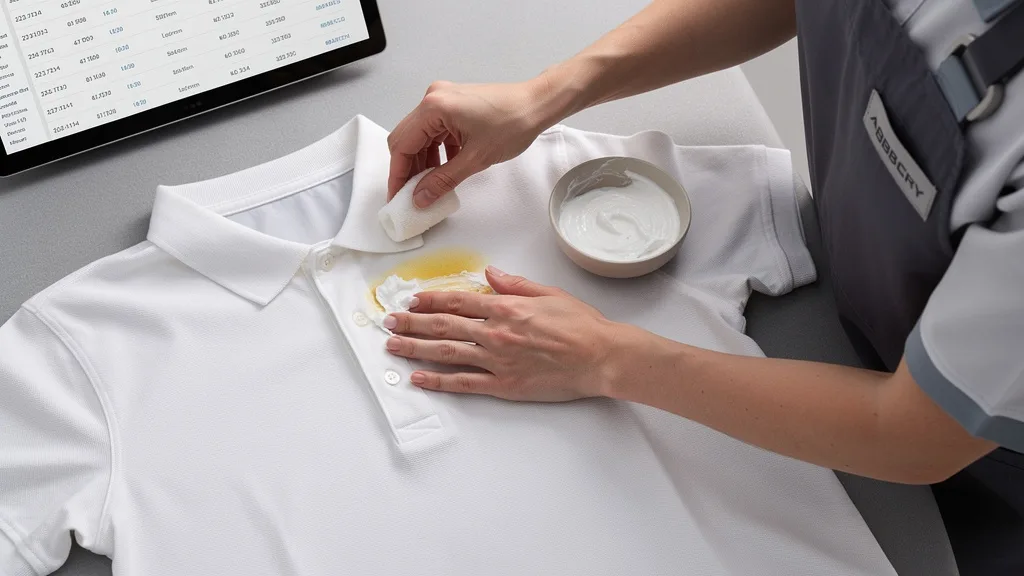
Address stains as soon as you notice them. The longer a stain sits, the more difficult it is to remove. For common spills like coffee, wine, or food, gently blot the area with a clean cloth to absorb as much of the substance as possible. Avoid rubbing, which can spread the stain and push it deeper into the fabric fibers.
Apply a small amount of liquid laundry detergent, dish soap, or a dedicated stain remover directly to the affected area. Work it in gently with your fingers or a soft-bristled brush. Let it sit for at least 15-30 minutes before washing, but do not let it dry on the fabric. For oil-based stains, cornstarch or baking soda can help absorb the grease before treatment.
Getting Sweat Stains Out of a White Polo
Yellowish sweat stains on white polos are a common issue, caused by a reaction between your deodorant’s ingredients and your body’s salts. To tackle these, create a paste using equal parts baking soda, hydrogen peroxide, and water. Apply the paste to the stained areas and let it sit for about an hour before laundering.
For a simpler alternative, you can soak the shirt in a solution of one part white vinegar to four parts cold water for 30 minutes. The acidity of the vinegar helps break down the buildup that causes discoloration. After soaking, wash the polo as you normally would. Avoid using chlorine bleach, as it can react with the proteins in sweat and make the stains even more yellow.
A Step-by-Step Guide to Washing Polo Shirts
Once your shirts are prepared, the washing process itself requires careful attention to settings and supplies. Using the right techniques will clean your polos effectively while protecting them from damage. This section provides a clear roadmap for achieving a perfect wash every time.
Choosing the Right Detergent to Prevent Fading
The detergent you choose plays a crucial role in preserving the color of your polo shirts. Opt for a mild, liquid detergent formulated for cold water washes and designed to protect colors. Harsh detergents with strong chemicals can strip dyes from the fabric, leading to a faded, worn-out appearance. Powdered detergents can sometimes leave residue if they don’t dissolve fully in cold water.
“To preserve the rich color and soft texture of a premium polo, always opt for a gentle, pH-neutral detergent. Harsh chemicals are the fastest way to turn a favorite shirt into a faded memory.”
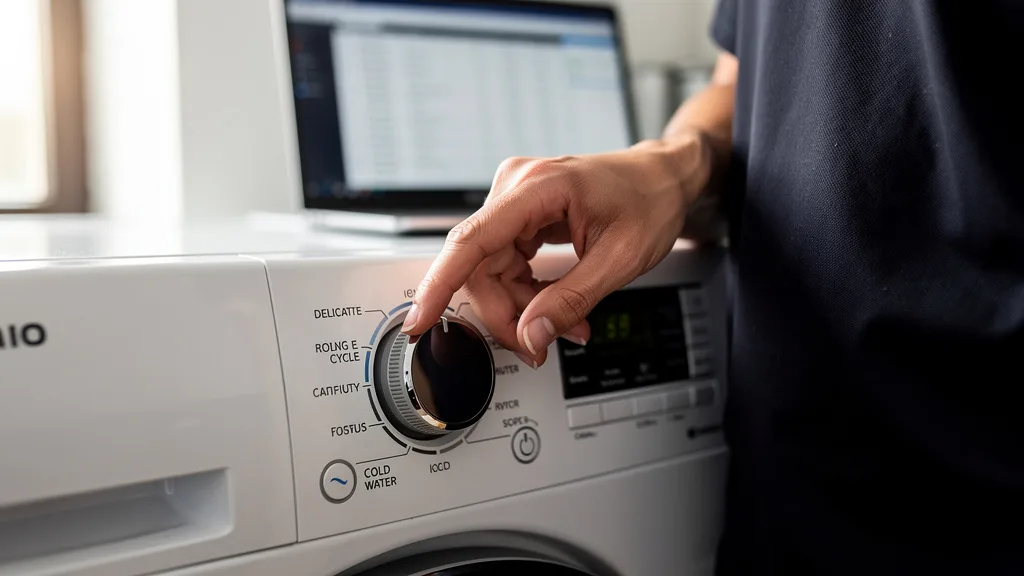
When measuring, use only the amount of detergent recommended for your load size. Using too much soap can create excess suds that cushion the clothes, reducing cleaning effectiveness, and leave behind a residue that dulls the fabric. For those wondering about the difference in garment quality, proper washing is a key factor that separates a premium vs regular polo shirt’s lifespan.
What Are the Best Laundry Settings for Polo Shirts?
To minimize wear and tear, always wash your polo shirts on the gentle cycle or delicate setting. These cycles use a slower spin speed and less agitation, which is much kinder to the fabric’s knit, seams, and collar. Before placing them in the machine, turn your polos inside out. This protects the outer surface from friction and pilling, and it’s especially important for shirts with logos or embroidery.
Make sure the collar is flat and not folded up, and unbutton all the buttons, including those on the placket. This helps the shirt maintain its shape and prevents stress on the buttonholes and thread. Washing with care is the secret to how to wash and care for polo shirts properly so they last for many seasons.
Should Polo Shirts Be Washed in Hot or Cold Water?
Without a doubt, you should always use cold water to wash your polo shirts. Hot water is the primary culprit behind shrinking, especially for cotton and cotton-blend fabrics commonly used for polos. It can also cause vibrant colors to fade significantly faster over time. Cold water cleans effectively with modern detergents while being gentle on the fabric.
Washing in cold water not only preserves your clothes but also saves energy, making it a more environmentally friendly choice. The only exception might be for heavily soiled white cotton polos that need sanitizing, but even then, warm water is a safer choice than hot. For routine cleaning, cold is always the best path forward.
Properly Drying Polos to Maintain Shape and Prevent Shrinking
How you dry your polo shirt is just as important as how you wash it. The high heat of a conventional dryer is one of the quickest ways to shrink, warp, or otherwise damage your favorite shirt. Choosing the right drying method will keep your polos fitting perfectly.
Air-Drying vs. Using a Tumble Dryer
The best method for drying a polo shirt is to air-dry it. This completely eliminates the risk of heat-related shrinkage and damage. You can either lay the shirt flat on a clean, dry towel or mesh rack, or you can hang it on a sturdy, plastic hanger. Laying it flat is the most gentle option, as hanging can sometimes cause the shoulders to stretch slightly when the garment is heavy with water.
A tumble dryer offers speed and convenience but comes with significant risks. Even low heat settings can cause gradual shrinking and stress the fabric fibers, leading to a shorter lifespan for the garment. The tumbling action can also contribute to collar curling and pilling. If you value the fit and quality of your shirts, air-drying is the superior choice.
| Drying Method | Pros | Cons |
|---|---|---|
| Air-Drying (Flat or Hung) | Prevents shrinking and heat damage; preserves fabric integrity; energy-efficient. | Slower process; may result in a slightly stiffer feel initially. |
| Tumble Dryer | Fast and convenient; can soften fabric. | High risk of shrinking and fading; can damage collars and fabric; uses more energy. |
How to Use a Dryer Without Damaging Your Shirts
If you must use a tumble dryer due to time constraints, take precautions. First, remove the polo shirt from the washing machine and give it a gentle shake to release deep wrinkles. Place it in the dryer with a few other lightweight items to allow for proper air circulation.
Select the lowest possible heat setting, such as ‘Tumble Dry Low,’ ‘Delicates,’ or the ‘Air Fluff’ setting, which uses no heat at all. The goal is to tumble the shirt with cool or slightly warm air. Crucially, remove the shirt from the dryer while it is still slightly damp. Over-drying is what causes the most significant shrinkage and fabric stress. Once removed, hang it up or lay it flat to finish drying completely.
Post-Wash Care: Ironing and Storage Tips
The final steps of care—ironing and storage—are what give your polo shirt its polished, ready-to-wear look. A few minutes of attention here will prevent wrinkles and maintain the crisp structure of the collar and placket, ensuring you always look sharp.
Ironing Your Polo for a Crisp, Professional Look
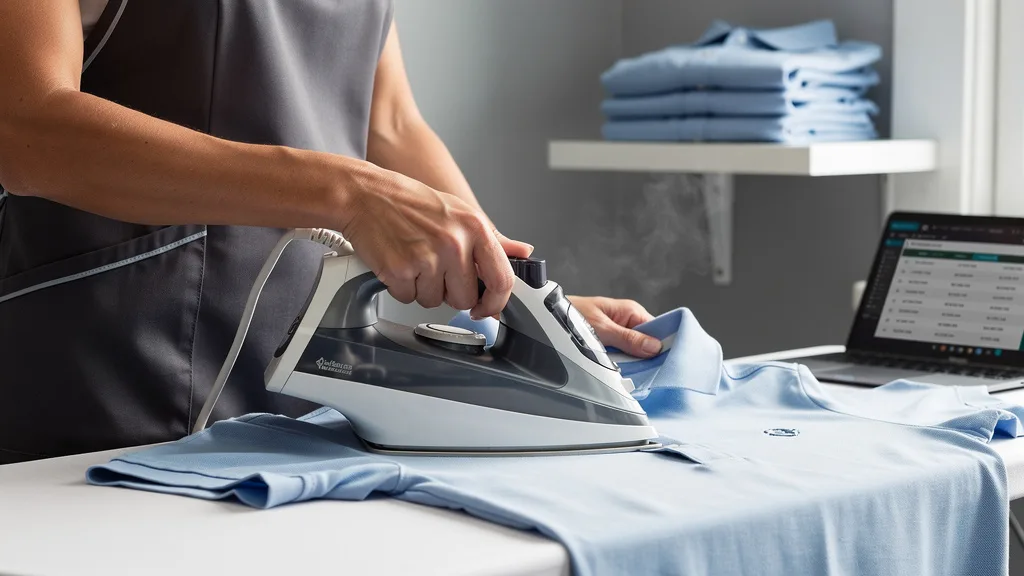
For best results, iron your polo shirt while it is still slightly damp. If it’s completely dry, use a spray bottle to lightly mist it with water. Turn the shirt inside out to protect the color and any logos from the direct heat of the iron. Set your iron to a medium heat setting (often labeled for cotton or blends).
Start with the collar, ironing it flat from the outer points toward the center. Next, iron the cuffs and the placket before moving on to the main body of the shirt. Use smooth, even strokes and avoid letting the iron sit in one spot for too long. Proper ironing technique is a cornerstone of any beginner guide to premium shirt care.
How to Keep Polo Shirt Collars From Curling
A curled, unruly collar can ruin the look of an otherwise perfect polo shirt. This often happens due to the fabric shrinking or losing its structure in the wash and dryer. The best prevention is to always reshape the collar with your hands right after washing and before drying. Lay it flat and smooth out any wrinkles or folds.
When ironing, press the collar flat, paying special attention to the edges. Some people use a light application of spray starch for extra hold, but test it on an inconspicuous area first. When storing, never fold the collar up; always lay it flat in its natural position, whether the shirt is folded or on a hanger.
The Best Way to Fold or Hang Your Polos
Both folding and hanging are acceptable ways to store polo shirts, but hanging is often preferred to prevent creasing. Use wide, sturdy hangers that support the full width of the shoulders to avoid creating bumps or stretching the fabric. Leave a little space between hangers in your closet to allow air to circulate.
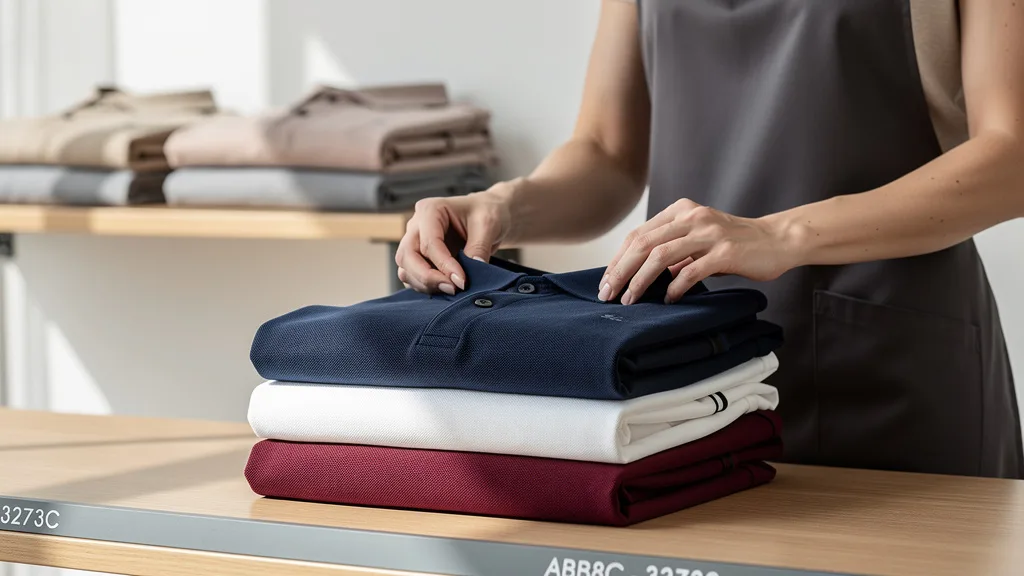
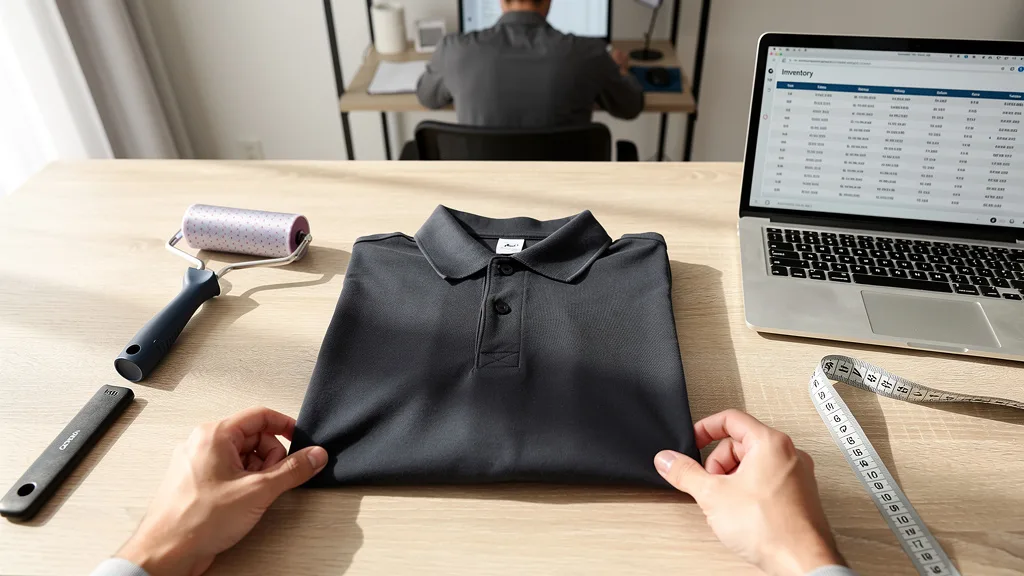
If you prefer to fold, lay the shirt face down on a flat surface. Fold one side over toward the center, then fold the sleeve back over the folded side. Repeat on the other side. Finally, fold the bottom half of the shirt up to meet the top. This method minimizes hard creases and is ideal for storing polos in a dresser drawer.
Common Mistakes to Avoid When Caring for Polos
Even with the best intentions, small mistakes can compromise the quality of your polo shirts. Avoiding these common pitfalls is key to extending their life and keeping them looking new. Here is a quick list of what not to do.
- Using Hot Water: This is the number one cause of shrinking and fading. Stick to cold water for every wash.
- Overloading the Washing Machine: Cramming too many clothes into the washer prevents proper cleaning and increases friction, which causes pilling.
- Using Chlorine Bleach: Bleach is too harsh for most polo fabrics and can yellow white shirts or strip color from dark ones. Use an oxygen-based bleach for tough stains if necessary.
- Drying on High Heat: As mentioned, high heat is the enemy. It shrinks fabric, warps collars, and degrades elastic fibers over time.
- Washing with Heavy Items: Avoid laundering polos with jeans, hoodies, or towels. The abrasive textures can damage the delicate knit of the shirt.
- Leaving Them in the Dryer: Letting clothes sit in a hot dryer after the cycle ends can set in deep wrinkles that are difficult to iron out.
Key Takeaways
Mastering polo shirt care is simple when you follow a few fundamental rules. By incorporating these habits into your laundry routine, you can ensure your favorite shirts look sharp and last for years. Here are the most critical points to remember:
- Preparation is Key: Always sort by color and pre-treat stains before washing to prevent permanent damage or discoloration.
- Wash with Care: Use a gentle cycle with cold water and a mild, color-safe detergent. Turn shirts inside out to protect the surface.
- Avoid High Heat: Air-drying is the best method to prevent shrinking and maintain shape. If you must use a dryer, choose the lowest heat setting and remove the shirt while slightly damp.
- Focus on the Finish: Iron while damp to easily remove wrinkles, and pay special attention to keeping the collar flat during ironing and storage.
Frequently Asked Questions
What are the best detergents for colored polo shirts in 2026?
In 2026, the best detergents for colored polo shirts are those specifically formulated for cold water and color preservation. Look for liquid detergents from reputable brands like Tide Coldwater Clean, Woolite Darks, or other plant-based, pH-neutral options. These products are designed to clean effectively without stripping dyes, helping to keep your navy, black, and other colored polos looking rich and vibrant wash after wash.
How often should you wash a polo shirt?
How often you should wash a polo shirt depends on its use. If you wear it for a full day with moderate activity, it’s best to wash it after each wear to remove body oils and deodorant residue. For light wear, such as a few hours in a climate-controlled office, you might be able to get two wears out of it. However, always wash it before storing it for a long period.
Can you use fabric softener on polo shirts?
It is generally recommended to avoid using fabric softener on polo shirts. While it can make clothes feel softer, it often leaves a waxy residue that can reduce the breathability and moisture-wicking properties of cotton and performance fabrics. Over time, this buildup can also trap odors. If you want to soften your shirts, try adding a half-cup of white vinegar to the rinse cycle instead.
Is it better to wash polo shirts inside out?
Yes, it is always better to wash polo shirts inside out. This simple step provides a significant layer of protection during the wash cycle. It minimizes friction on the outer surface of the shirt, which prevents pilling and fading. It also protects any embroidered logos, screen prints, or delicate buttons from getting snagged or damaged by other items in the wash.
How do you fix a stretched-out polo shirt?
Fixing a stretched-out polo shirt can be tricky, but it’s sometimes possible with cotton fabrics. The most common method is to use controlled heat to try and shrink the fibers back into place. Dampen the stretched area (like the collar or hem) and toss the shirt in the dryer on a medium to high heat setting for a short period, checking it every few minutes. Be careful, as this process can easily lead to over-shrinking if not monitored closely.
Conclusion
Properly caring for your polo shirts is a simple investment that pays off in longevity and appearance. By following these steps—from sorting and pre-treating to cold-water washing, air-drying, and careful ironing—you can easily prevent common issues like shrinking, fading, and collar curling. This ensures your premium polos retain their comfortable fit, vibrant color, and sharp structure, keeping you looking your best for any occasion.
Now that you know how to maintain your collection, you can wear your favorite styles with confidence. Ready to add another high-quality, long-lasting piece to your wardrobe? Explore our collection of premium apparel crafted for style and durability. SHOP NOW.