


Have you ever pulled out your favorite formal shirt for an important event, only to find it covered in stubborn wrinkles? Proper storage is the key to maintaining the pristine condition of your premium garments. The best methods involve either hanging shirts on wide, supportive hangers with ample space or folding them neatly using specific techniques for drawers and shelves. This prevents fabric stress and creasing, ensuring your shirts are always ready to wear.
Learning how to store formal shirts to prevent wrinkles is an essential skill for anyone who invests in high-quality apparel. It not only saves you time on last-minute ironing but also extends the life of your shirts by protecting the fabric fibers from damage. Whether you have a spacious walk-in closet or limited drawer space, the right techniques will keep your collection looking impeccable and sharp for any occasion in 2026.
Preparing Your Shirts for Wrinkle-Free Storage
Before you even think about hanging or folding, the journey to a wrinkle-free shirt begins in the laundry room. Proper preparation is non-negotiable for ensuring your formal shirts remain in top condition. Storing a shirt that is dirty or improperly dried will set in stains and wrinkles, making them much harder to remove later. Taking a few extra minutes at this stage will save you significant effort down the line.

Always ensure your shirts are completely clean and dry before storing them. Body oils, deodorant residue, or small stains can attract pests and become permanent over time. Following the care label instructions is crucial for maintaining the integrity of the fabric and color, setting the foundation for effective, long-term storage.
Proper Washing and Drying Techniques
Start by washing your shirts according to the fabric type. For most premium cotton and linen shirts, a gentle cycle with cold water is ideal to prevent shrinking and fading. Avoid overloading the washing machine, as this can cause excessive wrinkling and prevent a thorough clean. Using a high-quality, mild detergent will help preserve the fabric’s texture and color.
When it comes to drying, air-drying on a hanger is the best option to minimize wrinkles. If you must use a dryer, choose a low-heat or tumble-dry setting and remove the shirts while they are still slightly damp. Immediately hanging them up allows gravity to pull out many of the developing creases naturally. For delicate materials, exploring the best breathable fabrics for dress shirts can also inform your care routine.
The Importance of Ironing or Steaming Before Storing
Storing a wrinkled shirt is a guarantee that you will pull out a wrinkled shirt later. Always iron or steam your formal shirts after they have dried and before you put them away. Ironing a slightly damp shirt can make the process easier and more effective. Pay close attention to the collar, cuffs, and placket, as these are the most visible areas.
A good quality steam iron or a garment steamer will relax the fabric fibers and create a smooth, crisp finish. This step ensures that the shirt is in its best possible state before being stored. A perfectly pressed shirt is less likely to develop deep-set wrinkles in the closet or drawer, making it ready to wear with minimal touch-ups.
The Best Way to Store Formal Shirts: Hanging
For most formal shirts, especially those made from fabrics prone to creasing like cotton or linen, hanging is the superior storage method. Hanging allows the fabric to drape naturally, using gravity to keep it smooth and free of the sharp folds that can form in a drawer. This method is particularly recommended for shirts you wear frequently, as it provides easy access and visibility.
A well-organized hanging space not only prevents wrinkles but also protects the shirt’s overall structure, from the collar to the hem. To achieve the best results, it’s not just about placing the shirt on a hanger; the type of hanger and the spacing in your closet play critical roles in preserving the garment’s shape and appearance.
Choosing the Right Hangers to Protect Shape
The type of hanger you use can make or break your shirt storage strategy. Wire hangers from the dry cleaner are a shirt’s worst enemy; they are too thin, causing the shoulder fabric to stretch and pucker, creating bumps that are difficult to remove. They also lack the strength to support the garment’s weight properly over time.
Instead, invest in wide, sturdy hangers made of wood or high-quality molded plastic. These hangers should have a curved shape that mimics the natural slope of your shoulders. This provides proper support, prevents stretching, and helps the collar maintain its form. Buttoning the top button and another one midway down the shirt will also help it hang correctly and prevent it from slipping or sagging.
| Hanger Type | Pros | Cons | Best For |
|---|---|---|---|
| Wood Hangers | Excellent support, maintains shoulder shape, durable, often has a trouser bar. | Bulky, takes up more closet space, more expensive. | Suits, jackets, and premium formal shirts. |
| Molded Plastic | Affordable, lightweight, available in various shoulder widths. | Can be flimsy if low quality, may not support heavy garments. | Everyday dress shirts and blouses. |
| Velvet/Flocked | Slim profile saves space, non-slip surface holds shirts in place. | Can attract lint, may not provide enough shoulder structure. | Silky or lightweight fabrics that tend to slip. |
| Wire Hangers | Inexpensive, readily available. | Damages shoulder shape, causes puckering, can rust. | Not recommended for any long-term storage. |
Ensuring Proper Spacing in Your Closet
Even with the best hangers, cramming your shirts together in the closet is a recipe for wrinkles. Overcrowding compresses the fabric, leading to creasing and making it difficult to retrieve a shirt without disturbing the ones next to it. Proper airflow is also important for keeping fabrics fresh, and this can’t happen in a packed closet.
As a rule of thumb, leave about an inch of space between each hanger. This allows each shirt to hang freely without being crushed against its neighbors. It also makes it easier to see your entire collection, whether you’re choosing from a classic grey shirt combination or a more vibrant option. An organized, well-spaced closet is the hallmark of a well-maintained wardrobe.
How to Fold Dress Shirts Neatly for Drawers or Shelves
While hanging is often ideal, folding is a practical and space-efficient solution for storing formal shirts in drawers, on shelves, or in a suitcase. A proper fold creates a compact, uniform shape that resists wrinkling and makes organization simple. The key is to use a method that minimizes hard creases and protects the collar’s structure.

There are several tried-and-true techniques for folding shirts that yield excellent results. Mastering one or two of these methods will transform your drawers from a chaotic pile into a neatly organized display. This approach is especially useful for knit shirts or those made from more wrinkle-resistant fabrics.
The Classic Retail Folding Method
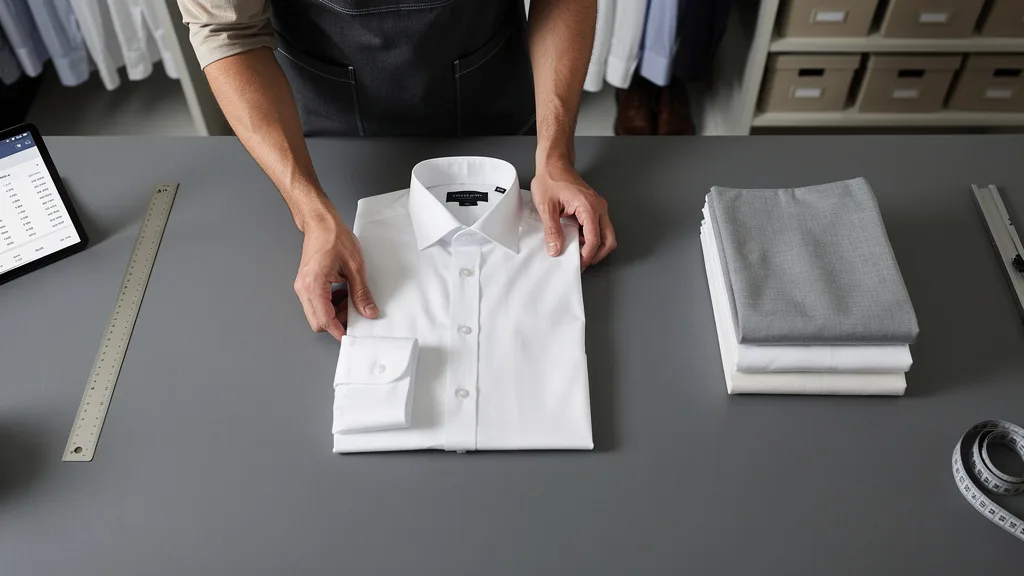
The classic retail fold is what you see in most clothing stores, and for good reason. It creates a perfect, stackable rectangle. Start by buttoning the shirt and laying it face-down on a flat surface. Smooth out any wrinkles. Fold one sleeve across the back to the center, then fold the sleeve itself down so it aligns with the side of the shirt.
Repeat this process on the other side, creating a long rectangle. Finally, fold the bottom third of the shirt up, and then fold the new bottom half up again to meet the collar. The result is a neat package with the collar and front placket visible at the top, ready to be stacked in a drawer without pressure on the collar.
What Is the Japanese Folding Method?
The Japanese folding method, often associated with organizational expert Marie Kondo, focuses on creating small, compact parcels that can be stored vertically. This technique allows you to see every shirt at a glance in your drawer, rather than just the one on top of a stack. It also helps in minimizing fold lines.
To use this method, lay the shirt face-up and fold both sides inward toward the center to create a rectangle. Then, fold the sleeves back onto the rectangle. Finally, fold the shirt in half or in thirds from the bottom up, creating a small, self-standing packet. This vertical storage approach is a game-changer for maximizing drawer space and maintaining a tidy wardrobe.
Using a Shirt Folding Board for Perfect Creases
For those who value precision and speed, a shirt folding board is an invaluable tool. These simple plastic devices provide a template that ensures every shirt is folded to the exact same dimensions every time. This creates unparalleled uniformity in your drawers or on your shelves, giving your closet a highly organized and professional look. premium shirt care.
To use one, you simply lay the shirt face-down on the open board and flip the panels in a designated sequence. The process takes only a few seconds and produces a perfectly folded shirt with clean lines. It’s an excellent gadget for anyone who folds a lot of laundry and wants to achieve consistent, wrinkle-free results with minimal effort.
Essential Items for Optimal Shirt Storage
Beyond the basic techniques of hanging and folding, a few key accessories can elevate your shirt storage game. These items provide an extra layer of protection, helping to maintain the shirt’s structure, freshness, and cleanliness over time. Incorporating them into your routine is a simple way to preserve the quality and longevity of your investment pieces.
Think of these as the supporting cast in your wardrobe care strategy. From protecting against dust to maintaining crisp collars, each item serves a specific purpose. Using them demonstrates a commitment to not just owning fine clothing, but also to properly Caring for Your Dress Shirts for the long haul.
- Garment Bags: Protect shirts from dust, dirt, and light exposure.
- Collar Stays: Maintain the sharp, crisp points of a shirt collar.
- Collar Inserts: Preserve the overall shape and curve of the collar during storage.
- Cedar Blocks or Balls: Naturally repel moths and absorb excess moisture and odors.
- Acid-Free Tissue Paper: Useful for long-term storage to cushion folds and prevent yellowing.
Garment Bags for Dust and Light Protection
For shirts that are stored for longer periods or made from delicate materials like silk, a garment bag is essential. It acts as a shield against dust, which can settle into fabric and cause discoloration. It also protects shirts from light exposure, which can lead to fading, especially along the shoulders of hanging garments.
Choose bags made from a breathable material like cotton or non-woven fabric. Avoid storing clothes in the plastic bags from the dry cleaner, as they trap moisture and can cause yellowing or even mildew over time. A breathable bag allows air to circulate, keeping the shirt fresh while offering complete protection.
Collar Stays and Inserts to Maintain Structure
A limp, flattened collar can ruin the look of an otherwise perfect formal shirt. Most high-quality dress shirts come with removable collar stays, which are small, rigid tabs that slide into pockets on the underside of the collar to keep it pointed and crisp. Always remove them before washing and ironing, and be sure to re-insert them before storage.
For an extra level of care, especially when packing or stacking shirts, you can use cardboard or plastic collar inserts. These are the supports you often find in new shirts. They help maintain the collar’s circular shape, preventing it from being crushed and creased in a drawer or suitcase.
Using Cedar to Keep Shirts Fresh
Cedar is a classic and natural solution for wardrobe maintenance. The aromatic oils in cedarwood act as a natural moth repellent, protecting your wool suits and cotton shirts alike. Beyond pest control, cedar is also excellent at absorbing excess moisture from the air, which helps prevent mildew and musty odors from developing.
You can incorporate cedar into your closet in various forms, such as cedar hangers, blocks, balls, or sachets. Place them in drawers or hang them from the closet rod. To refresh their scent and effectiveness, you can lightly sand the surface of the cedar every few months.
How to Pack Formal Shirts for Travel Without Wrinkles
Traveling for business or a formal event presents a unique challenge: how to get your shirts from your closet to your destination without them becoming a wrinkled mess. A suitcase is a hostile environment for a pressed shirt, but with the right packing techniques, you can arrive with your garments looking sharp and ready to wear.
The key is to minimize movement and hard folds within the luggage. Several methods are favored by seasoned travelers to ensure their clothes look as good upon arrival as they did before packing. Choosing the right technique often depends on the type of luggage you use and the amount of space you have.
The Rolling Method for Suitcases
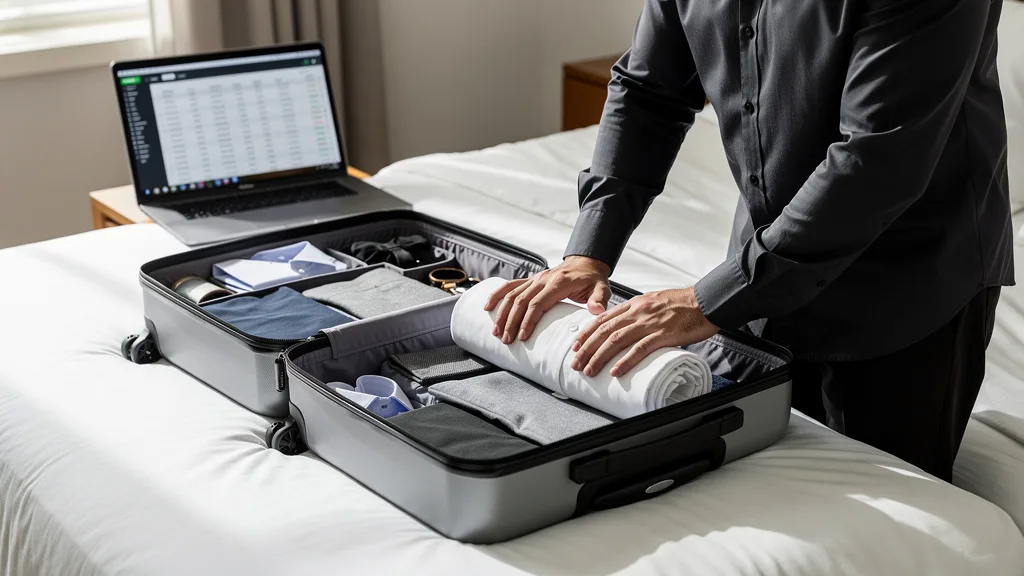
Rolling is one of the most popular and effective packing methods for preventing wrinkles. A tight roll avoids the sharp creases that folding can create. To roll a formal shirt, first fold it using the classic retail method to create a rectangle. Then, starting from the bottom hem, roll the shirt up as tightly and smoothly as possible toward the collar.
The collar’s structure helps protect the rolled shirt and gives it a solid base. Place the rolled shirts snugly side-by-side in your suitcase to prevent them from unrolling and shifting during transit. This method not only reduces wrinkles but is also incredibly space-efficient, allowing you to pack more into your bag.
Using Packing Cubes and Garment Folders
For the ultimate in travel organization and wrinkle prevention, packing cubes and garment folders are indispensable. Packing cubes are zippered fabric containers that compress clothing and keep items neatly separated within your luggage. You can place your rolled or folded shirts inside a cube to keep them contained and protected.
A garment folder is specifically designed for packing shirts and trousers. It typically includes a folding board and a flat, envelope-like pouch. You use the board to fold your shirts to a uniform size, stack them, and then secure them inside the folder. This minimizes shifting and compression, significantly reducing the chance of wrinkles.
Long-Term Storage Tips for Seasonal Shirts
When storing seasonal shirts, such as heavy flannels for winter or lightweight linen for summer, long-term care requires a few extra considerations. You’ll be putting these items away for several months, so it’s vital to create an environment that preserves them perfectly until they’re needed again.
First, ensure every shirt is thoroughly cleaned before storage, as even minor stains can set permanently over time. The storage location should be cool, dark, and dry to prevent mildew, fading, and fabric degradation. Avoid attics and basements, which often have extreme temperature fluctuations and high humidity. A closet in a guest room or an under-bed storage container in a climate-controlled room is a much better choice. For those looking for plus-size options, proper storage of stylish XXXXL t-shirt collections is just as important.
Key Takeaways
Maintaining a wardrobe of crisp, wrinkle-free formal shirts is achievable with the right knowledge and habits. Proper care extends the life of your garments and ensures you always look polished. Here are the most critical points to remember from this guide:
- Preparation is Paramount: Always wash, dry, and iron shirts before storing them to prevent setting in wrinkles and stains.
- Hang or Fold Correctly: Use wide, supportive hangers with ample spacing for most dress shirts. For drawers or travel, master a neat folding technique like the retail or Japanese method.
- Use Protective Accessories: Garment bags, proper collar stays, and cedar blocks provide essential protection against dust, structural damage, and pests.
- Pack Smart for Travel: Rolling shirts tightly or using packing cubes and garment folders are the most effective ways to minimize wrinkles in a suitcase.
- Store Long-Term with Care: For seasonal shirts, choose a cool, dark, and dry location, and ensure they are perfectly clean before putting them away.
“A well-stored shirt is a well-presented shirt. The few minutes you spend preparing and storing it properly pay dividends in its appearance and lifespan, protecting your investment in quality apparel.”
Frequently Asked Questions
How do I keep my shirt from wrinkling in general?
To prevent wrinkles, start by choosing fabrics with wrinkle-resistant properties, like twill or non-iron cotton blends. When laundering, avoid overloading the washer and remove shirts from the dryer while slightly damp, hanging them immediately. Ironing or steaming is crucial.
Throughout the day, be mindful of your posture. Slouching in a chair is a common cause of back wrinkles. When possible, hang up your jacket instead of draping it over a chair to allow your shirt to breathe and avoid being crushed.
Is it better to roll or fold formal shirts for storage?
For long-term closet storage, folding neatly or hanging is generally better than rolling, as rolling can put tension on the fabric over time. Hanging on a proper hanger is the best method for preventing wrinkles in a closet. Folding is best for drawer storage.
However, for short-term storage, such as packing for travel, rolling is often superior. A tight roll minimizes the sharp creases that can be created by folding and stacking under pressure in a suitcase. The choice depends on the context and duration of storage.
What is the 3-3-3 rule for wardrobe organization?
The 3-3-3 rule is a minimalist wardrobe challenge or packing method, not a storage technique for individual items. It involves choosing 3 tops, 3 bottoms, and 3 pairs of shoes (and sometimes 3 accessories or layers) to create a versatile capsule wardrobe for a set period.
This concept helps you focus on versatile, high-quality pieces that can be mixed and matched. While it doesn’t dictate how to store a shirt, it encourages a less cluttered wardrobe, which indirectly helps with storage by creating more space for items to be stored properly without overcrowding.
Can you store shirts in plastic containers long-term?
It is generally not recommended to store formal shirts in sealed plastic containers long-term. Plastic can trap moisture, which may lead to mildew or yellowing of the fabric, especially for white or light-colored shirts. Natural fibers need to breathe.
If you must use containers, opt for those made of breathable fabric or archival-quality acid-free boxes. If using plastic is your only option, ensure the shirts are completely dry and consider using silica gel packets to absorb moisture. Avoid storing them in direct sunlight.
How soon should you store a shirt after wearing it?
You should never store a shirt immediately after wearing it, especially if it will be stored for a long period. Shirts should always be laundered or dry-cleaned after each wear to remove body oils, sweat, and environmental dirt that can damage fibers and attract pests.
Once the shirt is clean and perfectly dry, you can store it right away. Putting a worn shirt back in the closet, even if it looks clean, can transfer odors to other clothes and allow invisible stains to set, making them much harder to remove later.
Conclusion
Mastering how to store formal shirts to prevent wrinkles is a simple yet impactful way to elevate your personal presentation and protect your clothing investment. By integrating proper washing, pressing, and storage techniques—whether hanging on supportive hangers or using a precise folding method—you ensure your shirts remain in pristine, ready-to-wear condition. These practices save you time and preserve the quality and lifespan of your favorite garments, reflecting the care you put into your wardrobe.
Now that you know how to perfectly maintain your collection, perhaps it’s time to add a new premium piece. Explore our curated selection of formal and casual shirts crafted from the finest materials, designed for impeccable style and lasting comfort. Discover your next favorite shirt today.
If you want help turning this into a concrete plan for your site or team, take the next step below to apply How to Store Formal Shirts Prevent Wrinkles with confidence.
Ready to act on How to Store Formal Shirts Prevent Wrinkles? SHOP NOW — tell us your goal, and we will help you pick the highest-leverage next step so you are not guessing alone.