
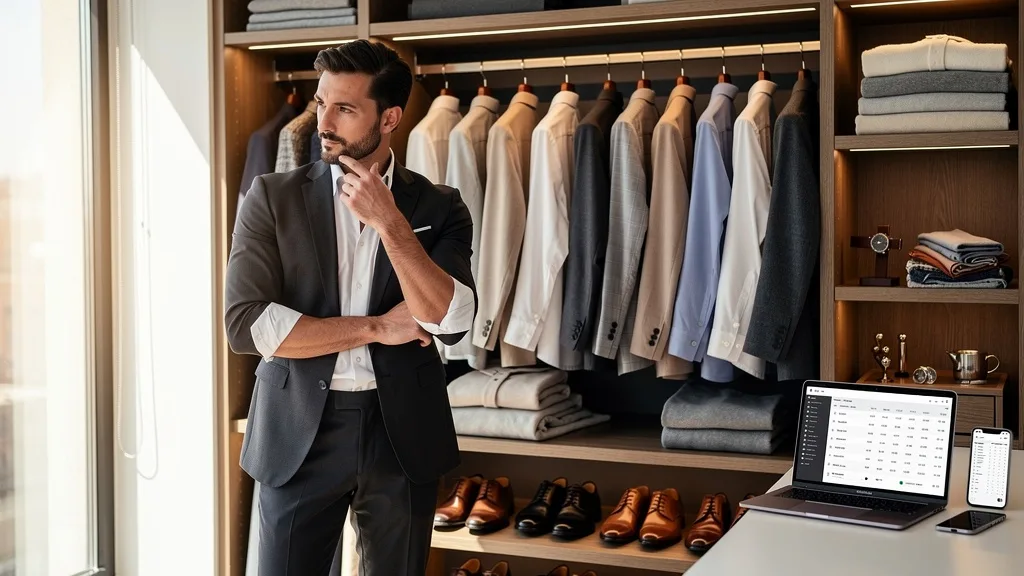
Do you ever stand in front of a closet full of clothes and feel like you have nothing to wear? Building a functional, stylish wardrobe seems complex, but it’s a skill you can learn. The key is to focus on versatility, quality, and personal expression rather than chasing fleeting trends. With a strategic approach, you can create a collection of pieces that work together seamlessly for any occasion.
The best Style Guides for Men: How to Build a Versatile Wardrobe begin with a solid foundation. This involves defining your personal style, investing in high-quality garments that fit perfectly, and selecting a cohesive color palette. From there, you can curate a core collection of essential tops, bottoms, outerwear, and shoes that can be mixed and matched to create dozens of distinct outfits, ensuring you always look sharp and feel confident.
Understanding the Foundation of a Versatile Wardrobe
Before you purchase a single new item, it’s crucial to lay the groundwork for a wardrobe that truly reflects you. A versatile wardrobe isn’t about having a massive number of clothes; it’s about having the right clothes that work in harmony. This initial planning phase is the most important step in transforming your closet from a random collection into a powerful tool for self-expression.
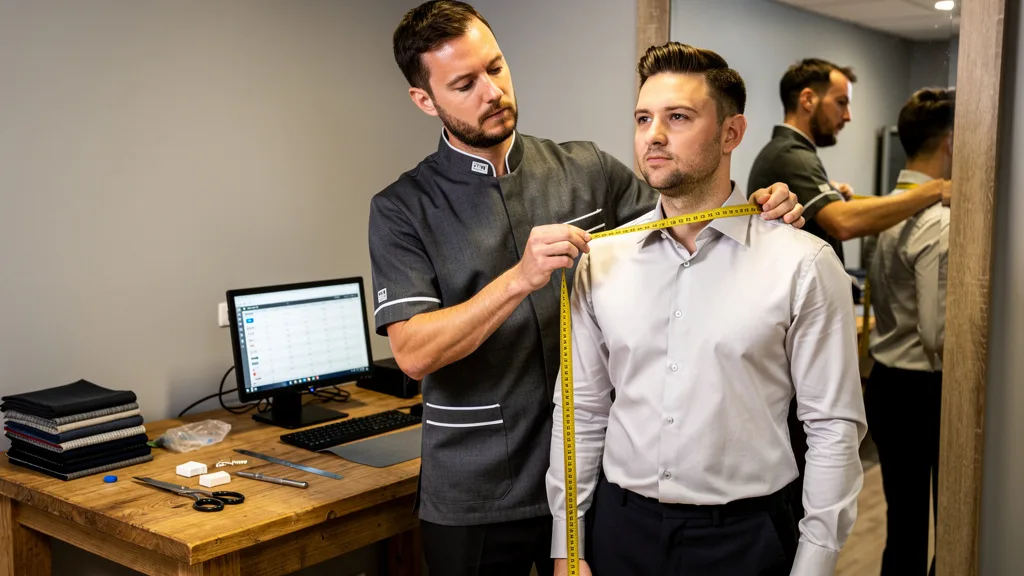
This foundation rests on three pillars: understanding your personal aesthetic, prioritizing impeccable fit and lasting quality, and establishing a color scheme that simplifies outfit creation. Nailing these elements ensures every piece you add has a purpose and contributes to a cohesive and functional whole. It’s the difference between being a man with clothes and a well-dressed man.
Defining Your Personal Style
Your personal style is an extension of your personality and lifestyle. Start by gathering inspiration from sources you admire, whether it’s from films, magazines, or style influencers. Consider your daily activities, work environment, and social life. Are you more inclined towards a rugged, classic, minimalist, or creative look? Answering this helps you avoid impulse buys that don’t align with who you are.
“Style is a way to say who you are without having to speak. Building a versatile wardrobe provides the language to express yourself clearly and confidently every single day.”
Creating a mood board, either physically or digitally, can help visualize your desired aesthetic. This process of self-discovery is fundamental to dressing well. When you have a clear vision, you can shop with intent, selecting pieces that feel authentic and build upon your signature look. This is the secret to being a naturally stylish man.
The Importance of Fit and Quality
The most expensive garment will look cheap if it doesn’t fit properly, while a well-fitting, affordable piece can look luxurious. Fit is the single most important aspect of style. Pay close attention to how clothes sit on your shoulders, chest, and waist. If off-the-rack items don’t fit perfectly, consider finding a good tailor to make adjustments; it’s a worthwhile investment.
Beyond fit, prioritize quality construction and materials. Premium fabrics like high-grade cotton, wool, and linen not only look and feel better but also last significantly longer. Inspect seams, buttons, and stitching before making a purchase. Investing in fewer, higher-quality items is more sustainable and cost-effective in the long run than constantly replacing poorly made fast-fashion pieces.
Choosing a Cohesive Color Palette
A cohesive color palette is the secret to a wardrobe where everything goes together. Start with a base of neutral colors that are easy to mix and match. These include navy, grey, black, white, olive, and shades of beige or tan. The majority of your core items, like trousers, outerwear, and suits, should fall within this neutral range.
Once your neutral base is established, you can introduce a few accent colors to add personality and visual interest. These could be richer tones like burgundy, forest green, or mustard, or softer shades depending on your preference and skin tone. Having a defined palette makes getting dressed in the morning effortless, as you can be confident that nearly any combination will look intentional and polished. For more guidance, exploring the best shirt colour for men can provide excellent starting points.
Core Clothing Essentials for Every Man in 2026
With your style foundation in place, it’s time to build your collection of core clothing essentials. These are the timeless, versatile workhorses of your wardrobe that form the basis of most outfits. Think of them as the building blocks that you can dress up or down depending on the occasion and accessories. A solid guide on how to build a men’s wardrobe always starts with these fundamental pieces.
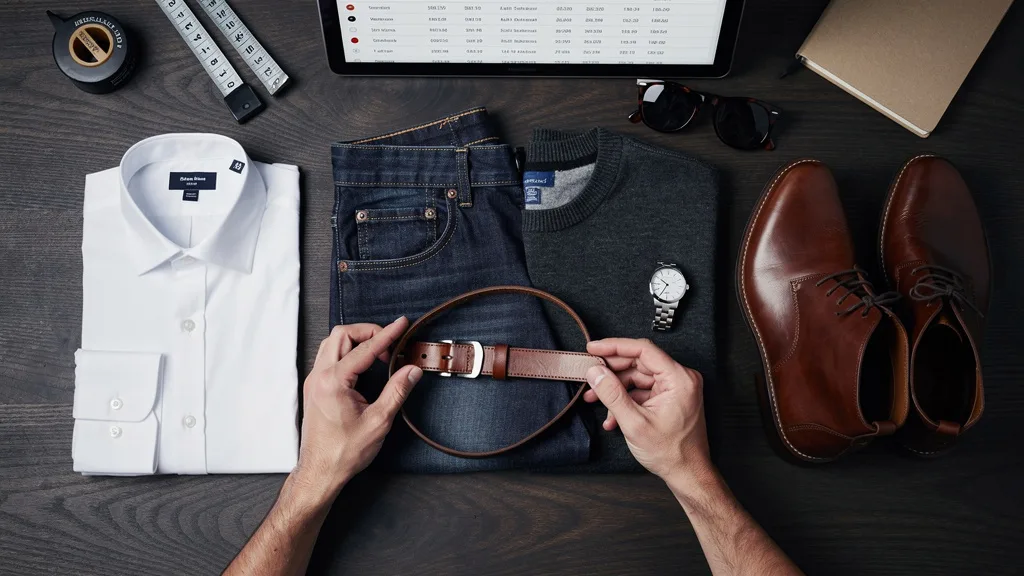
As of 2026, the focus remains on quality, versatility, and comfort. These items transcend seasonal fashion trends and will serve you well for years to come. Investing in the best versions you can afford of these basics is a smart strategy that pays dividends in style and longevity.
Essential Tops: T-Shirts, Polos, and Shirts
Every man’s wardrobe should start with a selection of high-quality tops. Begin with several well-fitting crew neck T-shirts in neutral colors like white, black, grey, and navy. A premium cotton T-shirt is a versatile base for countless looks. Add a classic polo shirt in a pique cotton fabric for smart-casual situations.
For shirts, an Oxford cloth button-down (OCBD) is non-negotiable. A light blue or white OCBD can be worn with everything from jeans to a suit. Also, consider adding a few more casual shirts, such as a chambray or flannel shirt, depending on your personal style. These pieces provide a range of options for layering and standalone wear.
Versatile Bottoms: Jeans, Chinos, and Trousers
Three styles of pants will cover nearly every situation. First, a pair of dark-wash selvedge denim jeans is a must-have. They can be dressed down with a T-shirt and sneakers or dressed up with a blazer and loafers. Look for a slim or straight fit that is comfortable yet tailored.
Next, invest in at least two pairs of chinos, one in a classic khaki or stone color and another in navy or grey. Chinos bridge the gap between casual jeans and formal trousers perfectly. Finally, a pair of well-tailored trousers in wool or a quality blend, typically in charcoal grey or navy, is essential for more formal occasions, business settings, or when you simply want to look sharp. For a more relaxed but stylish option, explore different styles like loose fit jeans for men.
Key Outerwear Pieces for Layering
Outerwear is both functional and a powerful style statement. A versatile collection should include at least three key pieces. A lightweight jacket, such as a denim jacket, bomber jacket, or Harrington, is perfect for transitional weather and casual layering.
A tailored sport coat or unstructured blazer in a neutral fabric like navy wool or a grey tweed is incredibly versatile. It can instantly elevate a simple T-shirt and chinos combination. For colder weather, a classic overcoat, such as a single-breasted topcoat in camel or charcoal, is a timeless investment that adds a layer of sophistication to any outfit, including a suit. Exploring options like western leather jackets can also add a unique edge to your collection.
Footwear Fundamentals for Any Occasion
Shoes can make or break an outfit, so choosing versatile options is key. Start with a pair of clean, minimalist leather sneakers in white or black. These can be worn with almost anything, from shorts to a casual suit. Next, a classic pair of leather dress shoes, such as brown derbies or black Oxfords, is essential for formal and business settings.
To round out your core collection, consider a smart-casual option like a loafer (penny or tassel) or a desert boot. These styles work well with both chinos and jeans. Investing in quality footwear and taking care of it with regular cleaning and polishing will ensure they last for years and always look great.
Strategic Wardrobe Building Methods
Once you understand the essential pieces, you need a strategy to put them together. Instead of randomly buying items, using a structured method can help you build a more cohesive and functional wardrobe. These systems are designed to maximize the number of outfits you can create from a minimal number of items, which is the essence of versatility. Following an effortless men’s style guide to building your collection is a smart approach.
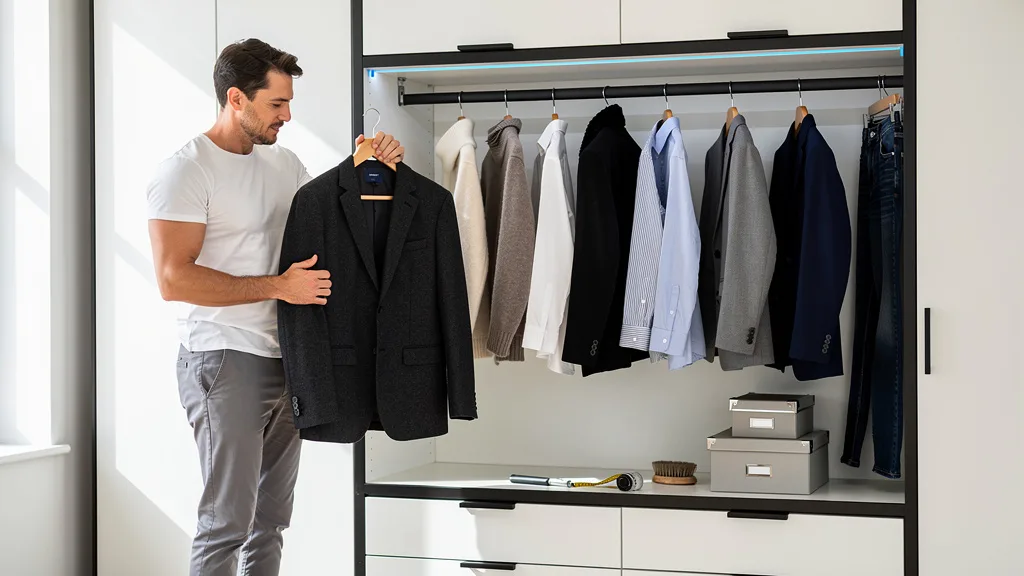
Methods like the capsule wardrobe concept provide clear, actionable frameworks. They force you to be more intentional with your choices and help you identify gaps in your closet. By adopting one of these strategies, you can curb impulse shopping and build a collection of clothes you truly love and wear often.
The 5-4-3-2-1 Capsule Wardrobe Method
The 5-4-3-2-1 method is a popular and effective way to build a mini-capsule wardrobe for a season or for travel. It provides a simple formula for selecting a curated group of items that can be combined to create numerous outfits. This approach is perfect for anyone looking to simplify their closet and master the art of mixing and matching.
The formula is straightforward and easy to remember. You select a specific number of items from different categories to ensure balance and versatility. This method is not just for minimalists; it’s a practical tool for anyone wanting to get more use out of their clothes and make getting dressed a quicker, more enjoyable process.
| Quantity | Item Category | Examples |
|---|---|---|
| 5 | Tops | 2 T-Shirts, 2 Shirts, 1 Sweater |
| 4 | Bottoms | 1 Pair of Jeans, 2 Pairs of Chinos, 1 Pair of Trousers |
| 3 | Layers & Shoes | 1 Jacket, 1 Blazer, 1 Pair of Sneakers |
| 2 | Shoes & Accessories | 1 Pair of Loafers, 1 Watch |
| 1 | Statement Piece | A unique overcoat or a bold accessory |
Applying the 3-3-3 Rule for Outfits
The 3-3-3 rule is less about building a wardrobe and more about unlocking its potential. It’s a creative challenge where you select three tops, three bottoms, and three pairs of shoes from your closet and challenge yourself to create as many different outfits as possible from just those nine items. This exercise is an excellent way to test the versatility of your pieces.
By limiting your options, you force yourself to see new combinations you might have otherwise overlooked. It helps you identify which items are true workhorses and which ones are less versatile. If you struggle to create more than a few outfits, it might be a sign that the pieces you chose don’t align well with the rest of your wardrobe, helping you make smarter choices in the future.
Adapting Your Wardrobe for Seasonal Changes
A truly versatile wardrobe is one that can adapt to the changing seasons without requiring a complete overhaul. The key is to build your collection around a core of year-round staples and then supplement them with season-specific items. This approach is both economical and efficient, ensuring you’re prepared for any weather.
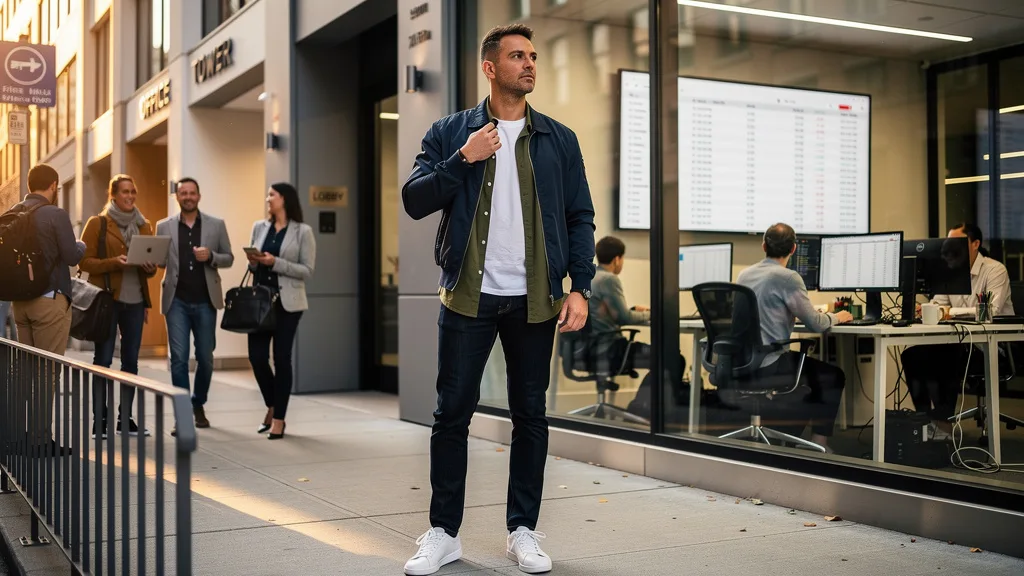
The art of seasonal adaptation lies in understanding fabrics and mastering the skill of layering. With the right techniques, many of your core pieces can transition smoothly from summer to winter, maximizing their utility and value.
Integrating Summer and Winter Staples
For summer, focus on lightweight and breathable fabrics. Swap out your heavier wool trousers for linen blends and introduce lighter-colored chinos. Your core T-shirts and polos will get plenty of use. This is also the time to bring in items like tailored shorts for men and breathable footwear.
In winter, fabric becomes your first line of defense against the cold. Your core essentials can be supplemented with heavier knitwear like merino wool or cashmere sweaters, flannel shirts, and thicker wool trousers. Your outerwear collection becomes crucial here, with your overcoat and perhaps a warmer puffer jacket playing a starring role. Your year-round denim and chinos remain foundational pieces.
The Art of Layering for Transitional Weather
Spring and autumn are defined by unpredictable weather, making layering an essential skill. This is where your versatile wardrobe truly shines. A typical layered outfit might start with a base layer like a T-shirt, add a mid-layer like a button-down shirt or a thin sweater, and finish with a light jacket.
The beauty of layering is that you can add or remove pieces as the temperature changes throughout the day. This technique not only provides practical comfort but also adds visual depth and interest to your outfits. Mastering layering allows you to get more wear out of your clothes and create more dynamic, thoughtful looks.
Elevating Your Look with Essential Accessories
Accessories are the finishing touches that elevate an outfit from good to great. They are an opportunity to inject personality, add a pop of color, or introduce a touch of luxury. While clothing forms the foundation, accessories are what complete the story and make a look uniquely yours.
When it comes to accessories, the principle of quality over quantity is paramount. A few well-chosen, high-quality pieces will have a much greater impact than a drawer full of cheap, trendy items. Focus on timeless accessories that complement your core wardrobe.
Must-Have Belts, Watches, and Eyewear
A quality leather belt is a non-negotiable accessory. You should have at least two: one black and one brown, with simple, classic buckles. Ensure the leather of your belt matches the leather of your shoes for a cohesive, polished look.
A classic timepiece is another essential. A watch is one of the few pieces of jewelry a man can wear that is both functional and expressive. Whether it’s a stainless steel diver or a minimalist dress watch with a leather strap, it adds a touch of sophistication. Finally, a great pair of sunglasses not only protects your eyes but also adds an element of cool to any look. Choose a timeless frame style like aviators or wayfarers that suits your face shape.
Choosing the Right Bags and Wallets
The bag you carry says a lot about you. For the professional, a sleek leather briefcase or a modern messenger bag is both practical and stylish. For more casual use or for students, a minimalist canvas or leather backpack is a great choice. Whatever you choose, opt for a neutral color that will complement the majority of your wardrobe.
Your wallet is an item you use every day, so it’s worth investing in a good one. A slim leather cardholder or bifold wallet is a sophisticated choice that won’t create an unsightly bulge in your trousers. It’s a small detail, but it contributes to an overall impression of being put-together and detail-oriented.
Maintaining Your Investment: Clothing Care Basics
Building a versatile wardrobe with high-quality pieces is an investment of both time and money. To protect that investment, it’s essential to practice proper clothing care. How you wash, dry, and store your garments has a direct impact on their appearance and lifespan. Neglecting basic care can ruin even the most well-made clothing.
Start by reading the care labels on your clothes and following the instructions. Use cold water for most washes to prevent shrinking and fading. Avoid over-drying your clothes in the dryer, as high heat can damage fibers; air-drying is often the best option. For knitwear, fold instead of hanging to prevent stretching, and use quality wooden hangers for shirts and jackets to help them maintain their shape.
Key Takeaways
Building a versatile men’s wardrobe in 2026 is an achievable goal that pays dividends in confidence and style. By focusing on a few core principles, you can transform your relationship with your clothes and master the art of dressing well. Here are the most important points to remember:
- Define Your Foundation: Before you shop, determine your personal style, commit to quality and proper fit, and choose a cohesive color palette. This is the blueprint for your entire wardrobe.
- Invest in Core Essentials: Build your closet around a curated selection of timeless clothing basics, including neutral T-shirts, versatile shirts, dark denim, chinos, essential outerwear, and classic footwear.
- Use Strategic Methods: Employ systems like the 5-4-3-2-1 capsule method to ensure your wardrobe is functional and that every piece works with others, maximizing your outfit combinations.
- Accessorize with Intent: Elevate your foundational outfits with high-quality accessories like a classic watch, leather belts, and stylish eyewear. These details complete your look.
- Practice Proper Care: Maintain your investment by learning and applying basic clothing care techniques. Proper washing, drying, and storage will keep your garments looking great for years.
Frequently Asked Questions
How many shoes should a man own?
A man can build a highly versatile wardrobe with just three to five pairs of shoes. The essential trio includes a pair of minimalist sneakers for casual wear, a pair of leather dress shoes (like Oxfords or Derbies) for formal occasions, and a smart-casual option like loafers or Chukka boots. Expanding to five might include a dedicated boot for winter and another casual shoe.
The key is to choose high-quality, timeless styles in neutral colors like black, brown, or white. This ensures they can be paired with the widest range of outfits. Quality over quantity is the most important rule when it comes to footwear.
What colors are best for a men’s capsule wardrobe?
The best colors for a men’s capsule wardrobe are a foundation of neutrals. These include navy blue, charcoal grey, black, white, olive green, and beige (or khaki). These colors are timeless and pair easily with one another, providing maximum versatility. They should make up the bulk of your core items like trousers, jackets, and sweaters.
Once you have this neutral base, you can add one or two accent colors to reflect your personal style and the current season. Colors like burgundy, forest green, or a muted mustard can add personality without compromising the interchangeability of your wardrobe.
How often should you update your wardrobe?
You should review your wardrobe at least twice a year, typically at the change of major seasons (spring/summer and fall/winter). This doesn’t mean a complete overhaul. The goal is to assess what you have, identify any worn-out items that need replacing, and note any gaps in your collection based on your current lifestyle.
A well-built wardrobe of timeless essentials requires infrequent major updates. You’ll primarily be replacing staples as they wear out and perhaps adding one or two new pieces per season to keep your look fresh and modern. Avoid chasing fast-fashion trends.
Can you build a versatile wardrobe on a budget?
Absolutely. Building a versatile wardrobe on a budget is entirely possible by being strategic. Focus on buying fewer, better things. Prioritize purchasing the core essential pieces first, and wait for seasonal sales to invest in higher-quality items from reputable brands. Thrifting and consignment shops can also be excellent resources for finding well-made garments at a lower price.
The key is patience and planning. Avoid impulse buys and fast fashion. Instead, save up for a quality piece that you know will last for years and serve multiple purposes in your wardrobe. A budget forces you to be a more intentional shopper, which often leads to a better-curated closet.
What is the first step to building a men’s wardrobe?
The very first step to building a men’s wardrobe is to perform a closet audit and define your personal style. Before you buy anything new, you need to understand what you already have and what you actually need. Empty your closet, try everything on, and be honest about what fits, what you actually wear, and what reflects the style you want to achieve.
This process helps you declutter and create a clean slate. It also provides a clear picture of your lifestyle needs and the aesthetic you’re aiming for. This self-assessment is the crucial foundation upon which you can begin to intentionally add versatile, high-quality pieces.
Conclusion
Mastering the art of style is not about having an endless supply of clothes but about having the right pieces that work for you. By following these Style Guides for Men: How to Build a Versatile Wardrobe, you can create a functional, stylish, and sustainable collection that eliminates the daily stress of getting dressed. Focus on defining your style, prioritizing quality and fit, and strategically selecting timeless essentials. This intentional approach will empower you to look and feel your best in any situation in 2026 and beyond.
Ready to start building your foundation with premium, versatile pieces? Our collections are crafted with the modern man in mind, blending timeless style with exceptional quality. Explore our essentials to find the perfect additions to your new wardrobe. SHOP NOW.