

Ever wondered why one shirt feels like a second skin while another feels stiff and uncomfortable? The secret lies in the material. Knowing how to choose the best fabric for men’s shirts is the foundation of building a wardrobe that is not only stylish but also exceptionally comfortable and practical for any situation you face.
Choosing the right shirt fabric involves balancing four key factors: the season, the occasion’s formality, your personal comfort, and the material’s durability. Cotton is a versatile classic, linen excels in heat, and polyester offers low maintenance, making the right choice dependent on your specific needs. This guide will help you understand the most popular fabric types, ensuring every shirt you select looks and feels perfect.
Key Factors to Consider When Choosing Shirt Fabric
Selecting the ideal shirt fabric goes beyond just color and pattern. The material itself dictates how the shirt will perform, feel, and look throughout the day. Before you make a decision, consider the interplay of climate, occasion, comfort, and maintenance. These elements will guide you to the perfect choice for your needs, ensuring your investment in quality apparel pays off in both style and longevity.
Seasonality and Climate
The time of year and your local climate are the most critical factors in choosing a shirt fabric. For hot and humid summer months, lightweight and breathable materials are essential. Linen and lightweight cottons, such as poplin or voile, allow air to circulate freely, keeping you cool and comfortable. These fabrics absorb moisture and dry quickly, which is ideal for staying fresh in the heat.
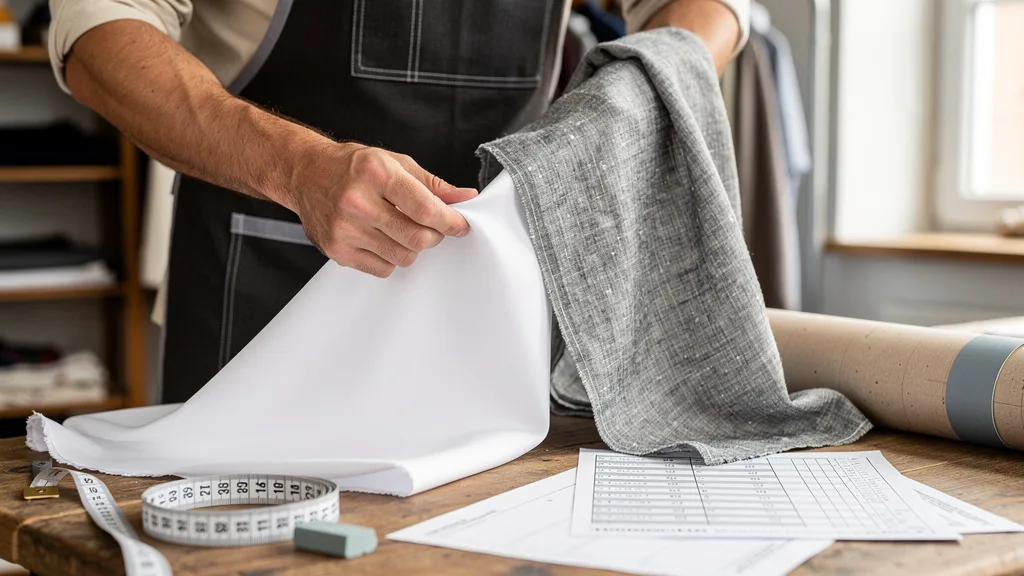
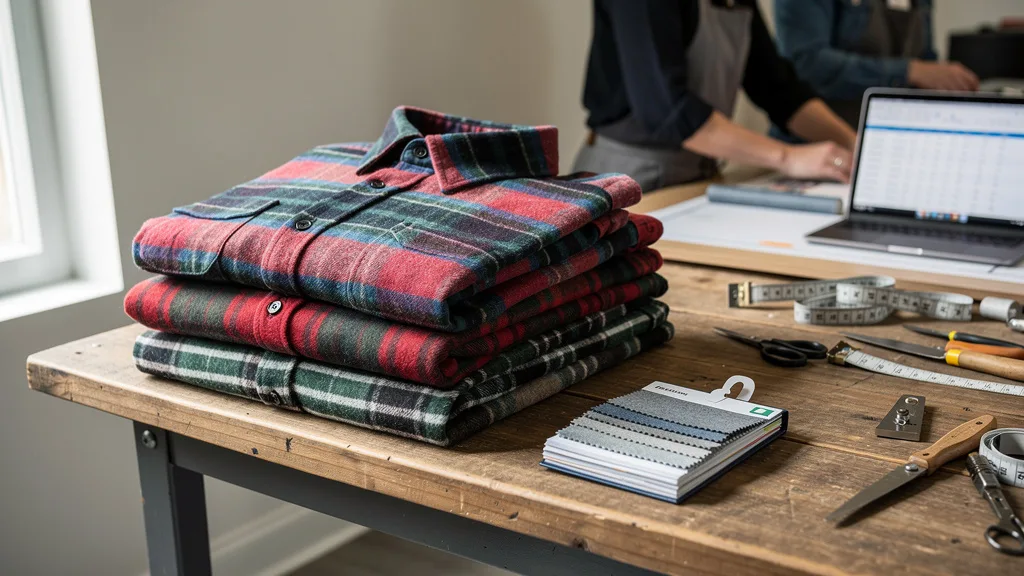
Conversely, for fall and winter, you should opt for heavier, more insulating fabrics. Flannel, with its soft, brushed surface, is a classic choice for providing warmth and a cozy feel. Heavier cotton weaves like twill and Oxford cloth also offer more substantial protection against the cold while maintaining a smart appearance. Layering these fabrics allows you to adapt to changing temperatures throughout the day.
Formality of the Occasion
The event’s dress code heavily influences the appropriate fabric choice. For formal occasions, such as business meetings, weddings, or elegant dinners, a smooth, crisp fabric is paramount. High-quality cotton in a fine weave like poplin or broadcloth is the gold standard for a dress shirt. These fabrics provide a sharp, polished look that pairs perfectly with a suit and tie.
For casual settings, you have more flexibility. Oxford cloth is a durable and versatile option that works well for a smart-casual office or a weekend outing. Linen shirts are perfect for relaxed summer events, like beach weddings or garden parties, offering a sophisticated yet laid-back vibe. When planning your outfit, considering the best shirt colour for men alongside the fabric will create a cohesive and stylish look.
Comfort, Breathability, and Feel
A shirt’s comfort is largely determined by its breathability and how it feels against your skin. Natural fibers like cotton and linen are highly breathable, meaning they allow air to pass through and moisture vapor to escape. This helps regulate your body temperature and prevents you from feeling clammy. The weave of the fabric also plays a role; a looser weave will generally be more breathable than a tight one.
The tactile sensation of a fabric is equally important. Premium cottons, especially those with a high thread count, feel exceptionally soft and smooth. Tencel and Lyocell, derived from wood pulp, are known for their silky, cool feel against the skin. In contrast, some lower-quality polyesters can feel slick or artificial. Always consider how the fabric will feel after a full day of wear.
“The right fabric is the soul of a shirt. It’s the difference between a garment you tolerate and one you love to wear. Focus on breathability for comfort and the right weave for the occasion, and you’ll build a wardrobe that truly works for you.”
Durability and Care Requirements
A great shirt should not only look good but also stand the test of time. Fabric durability depends on the fiber’s strength and the tightness of its weave. Polyester is known for its exceptional durability and resistance to stretching and shrinking. Cotton weaves like twill and Oxford are also very robust and can withstand frequent washing, making them excellent choices for everyday wear.
Consider your willingness to commit to a fabric’s care routine. Polyester and cotton-poly blends are famously low maintenance, as they resist wrinkles and are easy to wash and dry. On the other hand, 100% linen wrinkles easily and may require ironing to look its best. Fine cotton dress shirts also benefit from proper ironing. Always check the garment’s care label to ensure its maintenance requirements fit your lifestyle. For a deeper look into shirting materials, this A Guide to Men’s Shirt offers an extensive glossary.
A Guide to the Most Popular Men’s Shirt Fabrics
Navigating the world of shirting materials can be complex, with choices ranging from timeless natural fibers to innovative modern textiles. Understanding the distinct characteristics of each fabric is key to making an informed decision. This guide breaks down the most common options, highlighting their unique strengths and ideal uses to help you build a versatile and functional wardrobe.
Cotton: The Versatile and Classic Choice
Cotton is the undisputed king of shirt fabrics, prized for its breathability, softness, and versatility. It is a natural fiber that is comfortable to wear in most climates, making it a reliable choice for everything from formal dress shirts to casual weekend wear. The feel and appearance of cotton shirts can vary dramatically depending on the weave.

Some of the most popular cotton weaves include:
- Poplin: A lightweight, smooth, and crisp fabric with a fine weave, ideal for formal dress shirts.
- Twill: Recognized by its diagonal rib pattern, twill is durable, drapes well, and is less prone to wrinkling than poplin.
- Oxford: A slightly heavier fabric with a basket-weave texture, making it a durable and popular choice for casual and smart-casual button-downs.
- Broadcloth: Similar to poplin but with a tighter weave, offering a very smooth and formal finish.
Linen: Light and Breezy for Warm Weather
When the temperature rises, linen is the ultimate choice for staying cool and stylish. Made from the fibers of the flax plant, it is exceptionally breathable and absorbent, wicking moisture away from the skin faster than cotton. This makes it incredibly comfortable to wear in hot and humid conditions. Its naturally textured appearance lends a relaxed yet sophisticated air to any outfit.
The main characteristic of linen is its tendency to wrinkle, which is often considered part of its charm. While it may not be suitable for a formal business environment, it is perfect for summer vacations, beach weddings, and casual social events. A well-made linen shirt conveys an effortless sense of elegance and is a must-have for any warm-weather wardrobe, pairing perfectly with casual looks with jeans.
Polyester: Durable and Low Maintenance
Polyester is a synthetic fabric valued for its remarkable durability, wrinkle resistance, and color retention. Unlike natural fibers, it does not absorb moisture but instead wicks it away, which can be an advantage for athletic or performance wear. Shirts made from polyester or polyester blends require minimal ironing and hold their shape well throughout the day, making them a practical choice for travel or long workdays.
However, the trade-off for this convenience is reduced breathability. 100% polyester shirts can feel less comfortable in the heat compared to cotton or linen, as they can trap air and feel slick against the skin. For this reason, polyester is often blended with cotton to combine the strengths of both fibers: the comfort of cotton and the easy-care properties of polyester.
Flannel: Cozy and Warm for Fall and Winter
Flannel is a soft, medium-weight fabric with a napped or brushed finish on one or both sides. This brushing process creates a fuzzy texture that traps air, providing excellent insulation and making it an ideal choice for cold weather. Typically made from cotton, flannel shirts are synonymous with comfort, warmth, and a rugged, outdoorsy aesthetic.
While traditionally associated with casual plaid patterns, flannel can also be found in solid colors for a more versatile look. It is perfect for layering over a t-shirt or under a jacket during the fall and winter months. A quality flannel shirt is a cozy and stylish staple that offers both comfort and protection from the cold.
Tencel and Lyocell: Sustainable and Soft
Tencel and Lyocell are modern, eco-friendly fabrics that have gained popularity for their luxurious feel and sustainable production. Made from the wood pulp of eucalyptus trees grown in responsibly managed forests, they are produced in a closed-loop process that recycles water and solvents. This makes them an excellent choice for the environmentally conscious consumer.
These fabrics are known for their exceptional softness, often compared to silk, and their smooth, fluid drape. They are also highly breathable, moisture-wicking, and less prone to wrinkling than cotton or linen. Their combination of comfort, performance, and sustainability makes them a fantastic, forward-thinking option for both casual and smart-casual shirts.
Cotton vs. Polyester: Which Fabric Is Right for You?
The choice between cotton and polyester is one of the most common dilemmas when buying a shirt. Both fabrics have distinct advantages and disadvantages, and the best option depends entirely on your priorities. Whether you value natural comfort and breathability or durability and ease of care will be the deciding factor in this classic fabric showdown. premium shirt care.
Breathability and Moisture Management
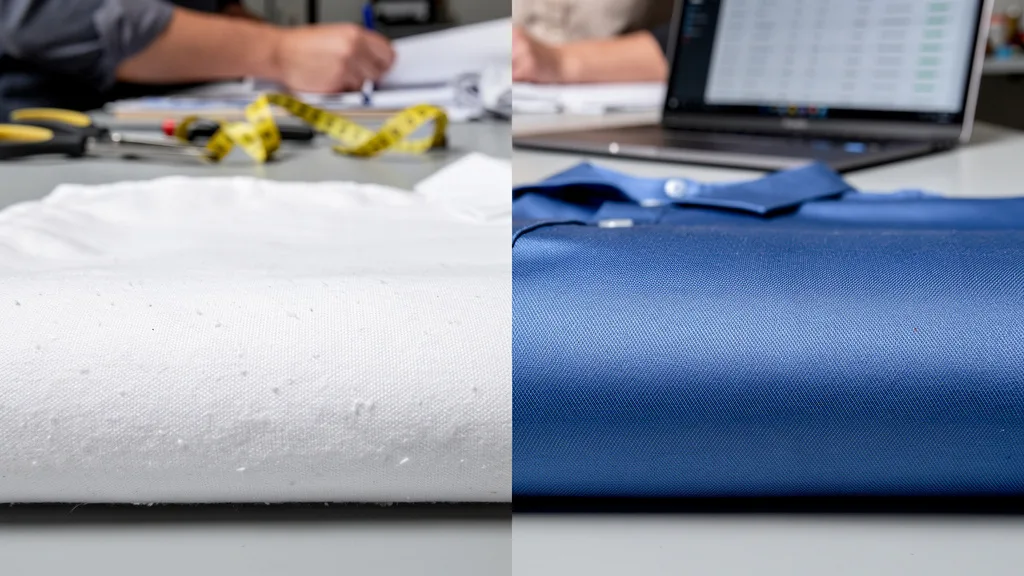
When it comes to breathability, cotton is the clear winner. As a natural fiber, its structure allows air to circulate freely, which helps keep you cool. Cotton also absorbs moisture, drawing sweat away from your skin. While this is great for everyday comfort, it can become heavy and slow to dry during intense physical activity, potentially leaving you feeling damp.
Polyester, on the other hand, is hydrophobic, meaning it repels water rather than absorbing it. It excels at wicking moisture from the skin to the fabric’s surface, where it can evaporate quickly. This makes it a superior choice for athletic wear. However, its synthetic nature means it is far less breathable than cotton and can trap heat and odor, making it less ideal for casual wear in hot weather.
Wrinkle Resistance and Ease of Care
If you despise ironing, polyester is your best friend. This synthetic fabric is highly resistant to wrinkles and will maintain a smooth appearance even after being packed in a suitcase. It is also easy to wash, dries quickly, and is less prone to shrinking or stretching than cotton. This makes it a highly practical option for travel and for those with a busy lifestyle.
Cotton, especially 100% cotton, is prone to wrinkling and will almost always require ironing to look crisp and polished. While some cotton weaves, like twill, are more wrinkle-resistant than others, they cannot compete with polyester’s low-maintenance nature. Cotton-polyester blends offer a good compromise, providing some of cotton’s comfort with polyester’s wrinkle resistance.
Feel Against the Skin
For most people, cotton feels softer and more natural against the skin. High-quality cottons, like Pima or Egyptian cotton, are renowned for their luxurious softness and comfort. Because it is a natural fiber, it is also hypoallergenic and less likely to cause skin irritation, making it a great choice for those with sensitive skin.
Polyester can have a more synthetic or slick feel, which some people find less pleasant. While modern manufacturing has greatly improved the texture of polyester fabrics, they generally lack the natural, soft hand-feel of cotton. For all-day comfort, particularly in a professional or casual setting, cotton usually has the edge.
Environmental Impact
The environmental profiles of cotton and polyester are complex. Conventional cotton farming is water-intensive and often relies on pesticides. However, options like organic cotton are grown without harmful chemicals and with more sustainable water management practices. As a natural fiber, cotton is also biodegradable.
Polyester is derived from petroleum, a non-renewable resource, and its production is energy-intensive. It is also not biodegradable and contributes to microplastic pollution when washed. On the plus side, polyester can be made from recycled materials (rPET), which significantly reduces its environmental footprint. Your choice may depend on which environmental factors you prioritize. To learn more about making conscious choices, you can explore resources that explain how to choose the best sustainable materials.
| Feature | 100% Cotton | 100% Polyester | Cotton/Polyester Blend |
|---|---|---|---|
| Breathability | Excellent | Poor | Good |
| Softness | Very Soft (Natural Feel) | Slick (Synthetic Feel) | Soft |
| Wrinkle Resistance | Poor | Excellent | Good |
| Moisture Handling | Absorbent (Slow to Dry) | Wicking (Quick to Dry) | Balanced |
| Durability | Good | Excellent | Very Good |
| Best For | Everyday Comfort, Formal Wear | Athletic Wear, Travel | Workwear, Easy-Care Shirts |
What Is the Best Fabric for a Dress Shirt?
For a classic dress shirt intended for business, formal events, or any occasion that demands a polished look, high-quality cotton is unequivocally the best fabric. Its natural properties provide an unmatched combination of comfort, breathability, and a crisp appearance that synthetic fabrics cannot replicate. A well-made cotton dress shirt feels good against the skin and looks sharp under a suit jacket or on its own.
Within the cotton family, specific weaves are favored for dress shirts. Poplin (or broadcloth) is a top choice due to its smooth, lightweight, and tightly woven structure, which creates a sharp, professional finish. Twill is another excellent option, easily identified by its fine diagonal pattern. It is slightly heavier than poplin, drapes beautifully, and is more resistant to wrinkles, making it a practical and durable choice for daily business wear. Ultimately, a 100% cotton shirt in a poplin or twill weave represents the pinnacle of quality for formal shirting.
Key Takeaways
Mastering how to choose the best fabric for men’s shirts empowers you to build a wardrobe that is both stylish and perfectly suited to your lifestyle. By understanding the properties of different materials, you can ensure comfort and confidence in any setting. Here are the essential points to remember:
- Match Fabric to Function: Your primary consideration should be the season and the occasion. Choose lightweight, breathable fabrics like linen or light cotton for summer, and warmer materials like flannel or heavy twill for winter. Opt for smooth cottons like poplin for formal events and more textured weaves like Oxford for casual wear.
- Cotton is King for Versatility: For a balance of comfort, breathability, and style, high-quality cotton is the most reliable choice for the majority of men’s shirts, from formal dress shirts to casual button-downs.
- Synthetics Offer Practicality: Polyester and its blends provide excellent durability, wrinkle resistance, and easy care. They are ideal for travel, athletic activities, or work environments where low maintenance is a priority.
- Don’t Forget the Weave: The fabric’s weave (e.g., Poplin, Twill, Oxford) has a significant impact on its texture, formality, and durability. Understanding these differences is crucial for selecting the right shirt for the right purpose.
Frequently Asked Questions
Is a 60% cotton 40% polyester blend good for summer?
A 60% cotton, 40% polyester blend is a reasonable compromise for summer. It will be more breathable and comfortable than 100% polyester, thanks to the cotton content. However, it will not be as cool and airy as 100% cotton or linen. This blend is a great choice if you prioritize wrinkle resistance and durability but still want a degree of comfort in warm weather.
What is the difference between poplin, twill, and Oxford weaves?
These are three common cotton weaves with distinct characteristics. Poplin has a smooth, crisp, and lightweight finish, making it ideal for formal dress shirts. Twill features a visible diagonal rib pattern, is more durable, drapes well, and resists wrinkles better than poplin. Oxford cloth has a heavier basket-weave texture that makes it very durable and gives it a more casual appearance, perfect for button-down shirts.
Which shirt fabrics are best for preventing sweat?
To manage sweat, you need fabrics that are either highly breathable or moisture-wicking. For breathability, linen and lightweight cotton are excellent as they allow air to circulate and moisture to evaporate. For active situations, moisture-wicking fabrics like performance polyester, Tencel, or Lyocell are superior, as they pull sweat away from the skin to the fabric’s surface to dry quickly.
Are more expensive shirt fabrics worth the cost?
In most cases, yes. A higher price tag often reflects the use of superior raw materials, such as long-staple cotton, a higher thread count, and a more refined finishing process. This results in a shirt that is softer, more comfortable, more durable, and drapes better. While a good quality shirt is an investment, it will typically look better and last longer than a cheaper alternative.
How do I choose a fabric that will not shrink?
To minimize shrinkage, look for fabrics that have been pre-shrunk. Many cotton garments are treated with a process called “Sanforization” to prevent shrinking, so check the label for this term. Synthetic fabrics like polyester are naturally resistant to shrinking. Regardless of the fabric, always follow the care instructions on the label, as washing in hot water or drying on high heat is the most common cause of shrinkage.
Conclusion
Choosing the right fabric is the most important decision you will make when selecting a shirt, as it defines comfort, style, and practicality. By considering the season, the formality of the occasion, and your personal comfort, you can confidently select materials that not only look great but feel exceptional to wear. Whether you opt for the timeless breathability of cotton, the breezy elegance of linen, or the durable convenience of a modern blend, your understanding of fabrics will elevate your entire wardrobe for 2026 and beyond.
Now that you are equipped with the knowledge to choose the perfect shirt for any situation, explore our curated collection of premium apparel. We craft each piece with the finest materials to ensure superior quality and style. Find your next favorite shirt today. SHOP NOW.