As the sun brightens and temperatures rise, are you wondering how to stay cool without sacrificing style? Choosing the right material is the key to comfort, and when it comes to summer ethnic wear, the debate often comes down to the Best Kurta Fabrics for Summer: Cotton, Linen, or Blends?. Each fabric offers unique benefits for navigating the heat, from cotton‘s soft breathability to linen‘s crisp, cooling touch.
For summer 2026, the best kurta fabrics are those that offer superior breathability and moisture-wicking properties. Cotton remains a versatile and popular choice for its softness and affordability. Linen is the premium option for ultimate cooling, though it wrinkles easily. Cotton-linen blends provide a balanced solution, combining the best attributes of both for a practical yet elegant everyday fabric that keeps you comfortable in extreme heat.
When the weather is scorching, the fabric of your clothing becomes your personal climate control system. The right material can mean the difference between feeling cool and comfortable or sticky and overheated. In climates like those experienced during Indian and Pakistani summers, your fabric choice is not just about fashion; it’s about function and well-being. The fabric defines comfort, and a poor choice can trap heat and moisture against your skin, leading to discomfort and irritation.
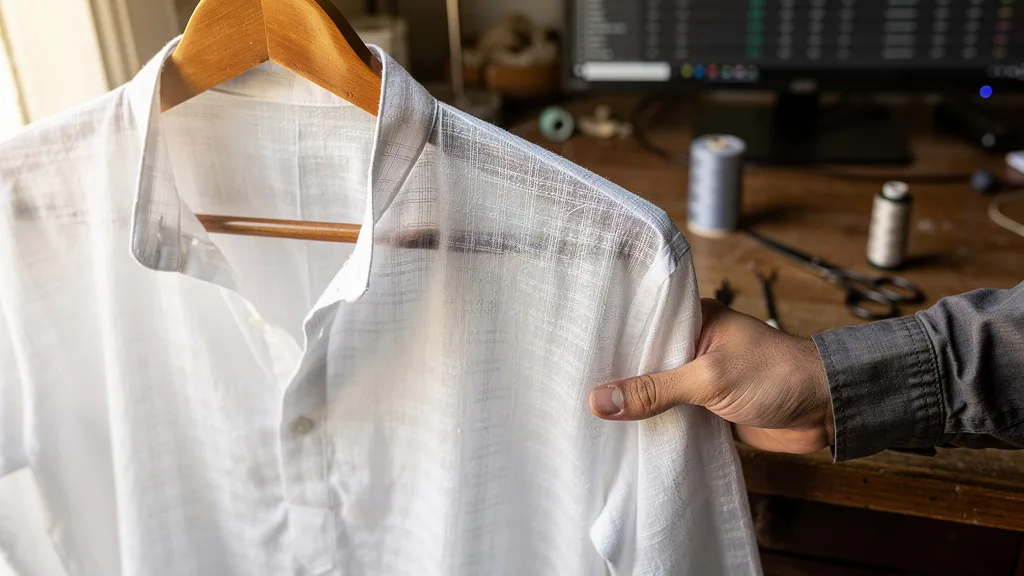
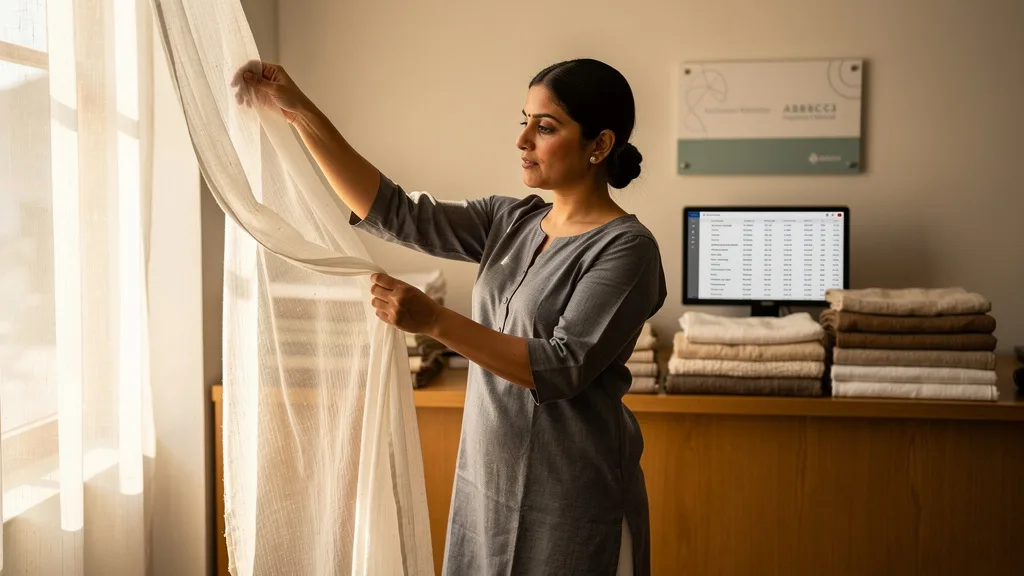
Cotton-linen blends offer a practical yet stylish solution for summer wear.
Breathable fabrics allow air to circulate freely, which helps sweat evaporate and cools you down. Materials with good moisture-wicking properties pull perspiration away from your body to the fabric’s surface, where it can dry quickly. This is crucial for preventing that clammy feeling and staying fresh throughout the day. Opting for lightweight, natural fibers ensures you feel effortlessly chic even when the temperature soars.
The Top Kurta Fabrics for Summer 2026 Explored
Navigating the wide choices for summer kurta fabrics can be simple once you understand the core properties of the top contenders. For 2026, the focus is on natural fibers that promise both style and breathability. Let’s explore the most popular options that will dominate summer fashion.
Cotton: The Timeless Breathable Staple
Cotton is the undisputed king of summer fabrics for good reason. It’s soft, lightweight, highly breathable, and generally affordable. As a natural fiber, it is gentle on the skin and allows air to pass through, making it an excellent choice for hot and humid weather. Cotton also absorbs moisture well, helping to keep you dry.
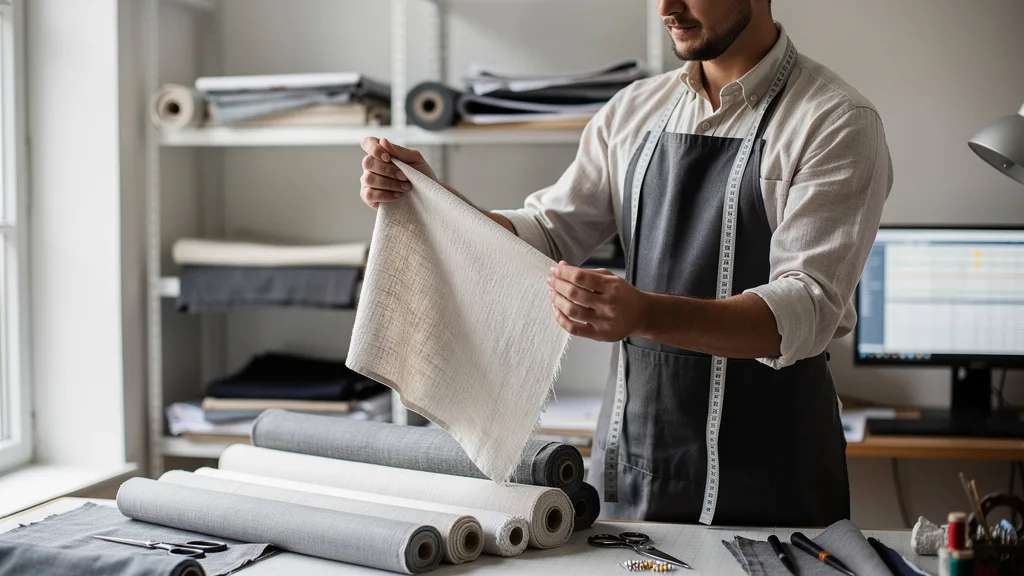
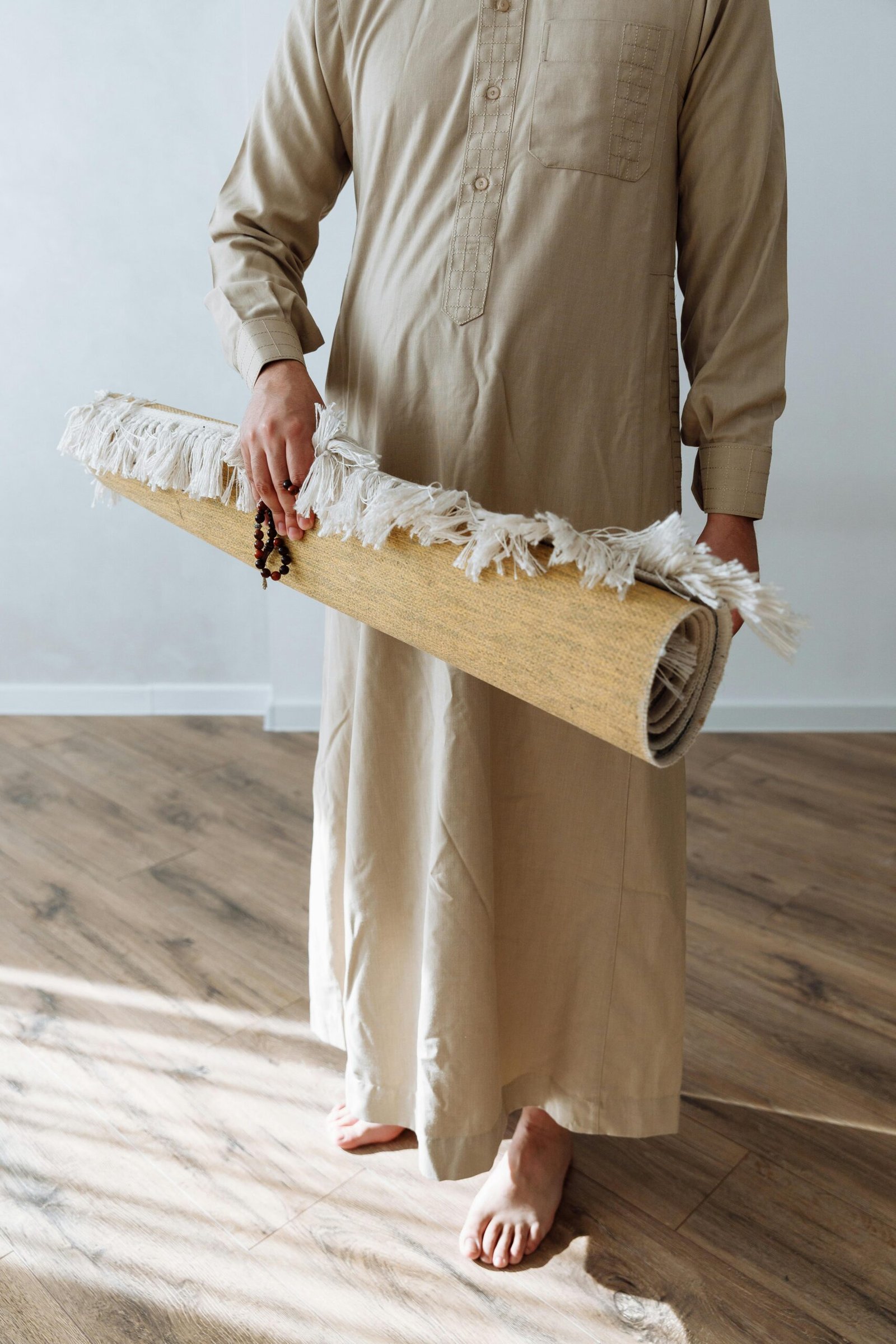
The right fabric offers breathability and wicks moisture for ultimate summer comfort.
Within the cotton family, you’ll find variations like lawn and voile, which are even lighter and more suited for the peak of summer. A classic white cotton kurta is a timeless staple, combining elegance and comfort. Whether for daily wear or a casual outing, a cotton kurta is a reliable and stylish choice that never fails.
Linen: The Ultimate in Cool Comfort
If you’re looking for the absolute best fabric for staying cool, look no further than pure linen. Derived from the flax plant, linen fibers are hollow, which allows air to circulate more freely than with cotton. It is highly absorbent and dries faster than cotton, making it an ideal choice for wicking moisture away from the skin. Linen has a distinctively crisp texture and a natural luster that gives it a look of relaxed sophistication.
The primary drawback of linen is its tendency to wrinkle easily. However, many fashion enthusiasts embrace these wrinkles as part of the fabric’s natural charm and character. A well-made linen kurta offers unparalleled comfort cool and is perfect for both casual and semi-formal summer events, embodying an effortlessly chic aesthetic.
Cotton-Linen Blends: The Best of Both Worlds
For those who love the coolness of linen but are deterred by its wrinkles and price, a cotton-linen blend offers the perfect compromise. This hybrid fabric combines the softness, structure, and lower cost of cotton with the lightweight breathability and moisture-wicking properties of linen. The result is a material that is more durable and less prone to wrinkling than pure linen, yet cooler and more absorbent than pure cotton.
Cotton–linen blend kurtas are versatile, comfortable, and easier to care for, making them a fantastic option for everyday wear during the summer months. They provide the perfect blend of practicality and elegance, allowing you to enjoy the benefits of both fibers in one stylish garment. This makes them a popular choice for everything from office wear to weekend outings.
Cotton vs. Linen vs. Blends: A Detailed Comparison
Choosing between cotton, linen, and a blend depends on your priorities: comfort, appearance, maintenance, or budget. To help you decide, we’ve broken down the key differences in a head-to-head comparison. This detailed look will help you select the perfect fabric for your next summer kurta.
“In the peak of summer, the fabric of your kurta doesn’t just define your style; it defines your comfort for the entire day. A breathable, natural fiber is non-negotiable for surviving the heat with grace.”
Mulmul and muslin offer a feather-light feel for the hottest summer days.
Kurta Fabric Comparison for Summer 2026
Feature
Cotton
Linen
Cotton-Linen Blend
Breathability
High
Very High
High
Moisture Wicking
Good
Excellent
Very Good
Wrinkle Resistance
Medium
Low
Medium-High
Feel & Texture
Soft, Smooth
Crisp, Textured
Softer than Linen, More Textured than Cotton
Durability
Good
Very High (when cared for)
High
Care
Easy (Machine Washable)
Moderate (Gentle Wash, Prone to Wrinkling)
Easy (Less Wrinkling than Linen)
Price
Affordable
Expensive
Mid-Range
Breathability and Moisture Wicking
Linen is the champion of breathability due to its hollow fibers and loose weave, which create exceptional airflow. It is also the best at moisture wicking, pulling sweat away from the skin and drying quickly to provide a constant cool feel. Cotton is also highly breathable but can become heavy and slow to dry when it absorbs significant moisture.
A cotton–linen blend strikes a great balance. The linen component enhances the breathability and wicking properties beyond what pure cotton can offer, while the cotton fibers help manage some of linen’s stiffness. This makes the blend a superior choice for all-day comfort in hot, humid conditions compared to 100% cotton.
Appearance and Wrinkle Resistance
Linen has a unique, rustic elegance, but it is famous for wrinkling the moment you look at it. For many, these creases are a part of its charm. Cotton, especially in a finer weave like lawn, offers a smoother, neater appearance and is less prone to severe wrinkling. It holds its shape better throughout the day.
This is where cotton–linenblends truly shine for many people. They maintain much of linen’s sophisticated texture and drape but wrinkle far less due to the stabilizing presence of cotton fibers. This makes them a more practical choice for situations where you need to look polished for longer periods, such as at the office or an all-day event.
Durability and Fabric Care
Linen is one of the strongest natural fibers, and it actually gets stronger when wet. With proper care, a linen kurta can last for many years. However, it requires gentle washing and either line drying or a low-tumble dry to prevent damage and excessive wrinkling. Cotton is also durable but can be more susceptible to wear and tear with frequent, harsh washing.
Caring for cotton is typically straightforward, as most cotton garments are machine washable. Cotton-linenblends inherit durability from both fibers and are generally easy to care for, often being machine washable on a gentle cycle. They are a robust choice for regular wear, offering a good lifespan with minimal fuss.
Price Point and Accessibility
When it comes to cost, cotton is the most accessible and budget-friendly option. Its wide availability and ease of production keep prices down, making cotton kurtas a staple in most wardrobes. You can find a vast range of styles and designs without a significant investment.
Pure linen sits at the premium end of the spectrum. The labor-intensive process of producing linen from flax makes it more expensive. A Premium Imported Linen kurta Fabric is an investment in superior comfort and style. Cotton-linen blends fall comfortably in the middle, offering a taste of linen’s luxury at a more palatable price point, making them an excellent value proposition.
Other Lightweight Fabrics for Summer Indian Outfits
While cotton and linen lead the charge, the world of summer fabrics is rich with other fantastic options perfect for Indian outfits. These materials offer unique textures and aesthetics, expanding your choices for staying cool and stylish during the hot months.
Mulmul and Muslin for a Feather-Light Feel
Mulmul, also known as muslin, is an incredibly fine and lightweight cotton fabric. It is often described as having a ‘breezy whispers’ quality due to its soft, delicate, and almost ethereal feel against the skin. Originally one of the most prized fabrics from the Indian subcontinent, its super-fine weave makes it exceptionally breathable.
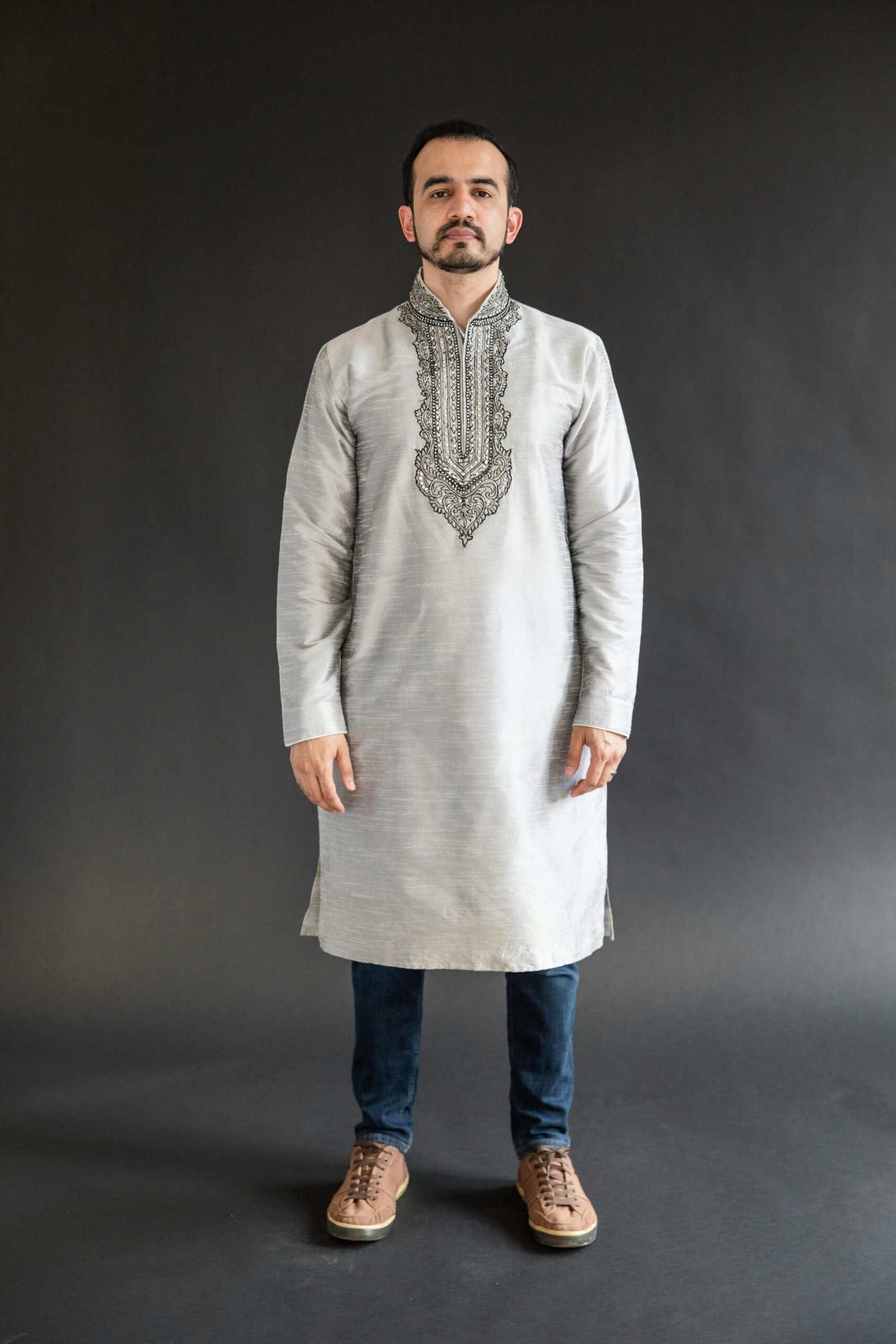
Pair your summer kurta with breathable bottoms and light colors for optimal comfort.
A mulmul or muslin kurta is perfect for the hottest days of summer, providing a feather-light layer of clothing that feels like you’re wearing almost nothing. While delicate, its comfort is unparalleled, making it an ideal choice for casual daywear when maximum airflow is the top priority.
Chanderi and Organza for Festive Wear
For summer weddings or festive occasions, you may want a fabric with a bit more flair. Chanderi, a traditional fabric blending silk, cotton, and zari, is lightweight and sheer with a subtle shimmer. It provides a regal touch without the weight of heavy silks, making it a great option for dressier Pakistani kurta set outfits.
Organza is another sheer, crisp fabric that has become popular for festive wear. While it is not as breathable as cotton or linen for all-day wear, its stiff drape creates beautiful silhouettes for sarees, dupattas, and statement sleeves on kurtas. These fabrics are best for evening events or shorter daytime functions where appearance takes precedence over maximum comfort.
Styling Tips for Your Summer Kurtas
Once you’ve chosen the perfect fabric, styling your kurta can enhance both its look and your comfort. For a classic summer ensemble, pair a crisp linen or cotton kurta with breathable bottoms. Our linen trousers men love for summer outfits are a perfect match, creating a sophisticated and comfortable look.
Opt for light colors like white, beige, and pastels, as they reflect sunlight and absorb less heat than darker shades. Keep accessories minimal; a simple watch or elegant earrings are enough. For footwear, choose open styles like sandals or traditional Kolhapuris to keep your feet cool. Finally, ensure you get the right fit by consulting a kurta size guide online, as a slightly loose fit will promote better air circulation.
Fabrics to Avoid During Hot Weather
Just as important as knowing which fabrics to wear is knowing which ones to avoid. During extreme heat, certain materials can trap heat and moisture, making you feel uncomfortable and sweaty. Steer clear of these fabrics to stay cool:
Polyester: A synthetic, plastic-based fiber that is not breathable. It traps heat and sweat against the skin, creating a greenhouse effect.
Nylon: Similar to polyester, nylon is water-resistant and lacks breathability, making it a poor choice for hot, humid weather.
Acrylic: Often used as a wool substitute, acrylic is designed to retain heat, making it completely unsuitable for summer.
Heavy Silk: While some light silks (like Chanderi blends) can work, heavy silks like Brocade or Velvet are far too insulating for summer and should be reserved for cooler temperatures.
Fleece and Wool: These are winter fabrics designed for maximum insulation. Wearing them in the summer would be extremely uncomfortable and could lead to overheating.
Key Takeaways
Choosing the right fabric is the most important decision for your summer wardrobe. To help you make the best choice for your next kurta, here are the key points to remember:
For Ultimate Cooling: Choose 100% linen for its superior breathability and moisture-wicking capabilities, but be prepared for its characteristic wrinkles.
For Everyday Comfort: Cotton is a reliable, soft, and breathable staple that is affordable and easy to care for. Fine cottons like lawn and voile are especially good for heat.
For a Balanced Choice: Cotton-linen blends offer the best of both worlds, providing enhanced coolness with fewer wrinkles and easier maintenance than pure linen.
For Festive Occasions: Opt for lightweight, dressy fabrics like Chanderi for a touch of elegance without the weight of heavy silks.
Fabrics to Avoid: Always steer clear of synthetic fabrics like polyester and nylon, as they trap heat and will make you feel uncomfortable in the summer sun.
Frequently Asked Questions
Which fabric is best for summer in Pakistan or India?
For the extreme heat in Pakistan and India, both cotton and linen are excellent choices. Cotton, especially in lightweight weaves like lawn, is the most popular and practical choice for everyday wear due to its breathability and affordability. For those seeking maximum coolness, linen is superior, though it comes at a higher price point. A cotton-linen blend is often the ideal compromise for many.
How do you care for linen kurtas to keep them soft?
To keep linen kurtas soft and long-lasting, wash them in cool or lukewarm water on a gentle cycle. Avoid using harsh detergents or bleach. It’s best to air dry linen on a hanger or lay it flat to prevent shrinking and stiffness. If you must use a dryer, choose a low heat setting and remove the garment while it’s still slightly damp. Ironing while damp can also help soften the fibers and remove wrinkles more easily.
Can you wear Chanderi for daytime summer events?
Yes, you can wear Chanderi for daytime summer events, especially for shorter occasions like a lunch or a formal ceremony. Its lightweight and semi-sheer nature gives it a dressy feel without being as heavy as other festive fabrics. However, because it often contains silk and zari, it may not be as breathable as pure cotton or linen for extended wear in direct, intense sun. It’s a great choice for adding a touch of festive elegance to your summer wardrobe.
What is the main difference between Mulmul and regular cotton?
The main difference between Mulmul (muslin) and regular cotton lies in the weave and weight. Mulmul is made from a much finer yarn and has a looser, more open weave, making it significantly lighter, softer, and more breathable than standard cotton fabric. It has a delicate, almost sheer quality. Regular cotton is more tightly woven and sturdy, making it more durable but less airy than Mulmul.
Are synthetic fabrics ever a good choice for summer kurtas?
Generally, 100% synthetic fabrics like polyester and nylon are a poor choice for summer kurtas as they are not breathable and trap heat. However, some modern performance blends might incorporate a small percentage of synthetic fibers alongside natural ones to add features like stretch or wrinkle resistance. For the best comfort in summer, it’s always advisable to choose garments made from predominantly natural fibers like cotton, linen, or viscose.
Conclusion
Ultimately, the choice between cotton, linen, and blends for your summer kurta depends on your personal priorities for comfort, style, and maintenance. Cotton is the reliable all-rounder, linen is the peak of cool luxury, and blends offer a smart, practical compromise. By understanding the properties of each fabric, you can build a summer wardrobe that keeps you feeling cool, looking sharp, and ready for any occasion the season brings. Making an informed fabric choice is the first step to conquering summer in style.
Ready to find your perfect summer kurta? Explore our new collection of premium kurtas crafted from the finest cotton, linen, and blended fabrics, designed for ultimate comfort and timeless style. Find the perfect piece to elevate your summer wardrobe today. You can SHOP NOW to discover our latest arrivals.