
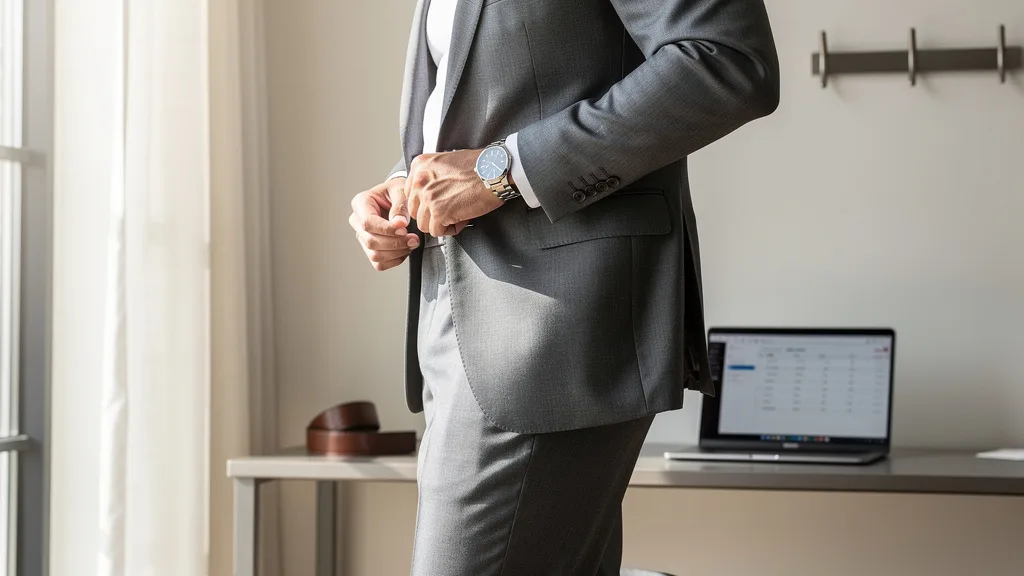
Are your current pants doing your personal style any justice? The right pair of trousers can transform your entire look, providing a foundation of sophistication and comfort that jeans often can’t match. This guide is your definitive resource for navigating the world of men’s trousers, ensuring you find the perfect fit, understand the various styles, and know how to wear them with confidence for any event in 2026.
Finding the ideal trouser pants for men involves more than just picking a color and size. It’s about understanding the nuances of fit, from the waist and seat to the length and break. It also means recognizing the difference between chinos, dress pants, and other styles to build a versatile wardrobe. This complete guide will walk you through every detail, helping you select comfortable and flattering trousers that elevate your confidence and style for any occasion.
How Your Trouser Pants Should Fit
The single most important factor for any pair of trousers is the fit. A perfectly fitting pair will be comfortable, flatter your body shape, and provide a clean silhouette. Poorly fitting trousers, whether too tight or too baggy, can ruin an otherwise great outfit. Paying attention to a few key areas ensures you always look sharp and put-together.
Nailing the Fit in the Waist and Seat
Your trousers should sit comfortably on your natural waist without a belt, but not so tight that they dig in. A good test is the two-finger rule: you should be able to slide two fingers snugly between the waistband and your body. If you need a belt to hold them up, they are too large. If you can’t easily slide your fingers in, they are too small.
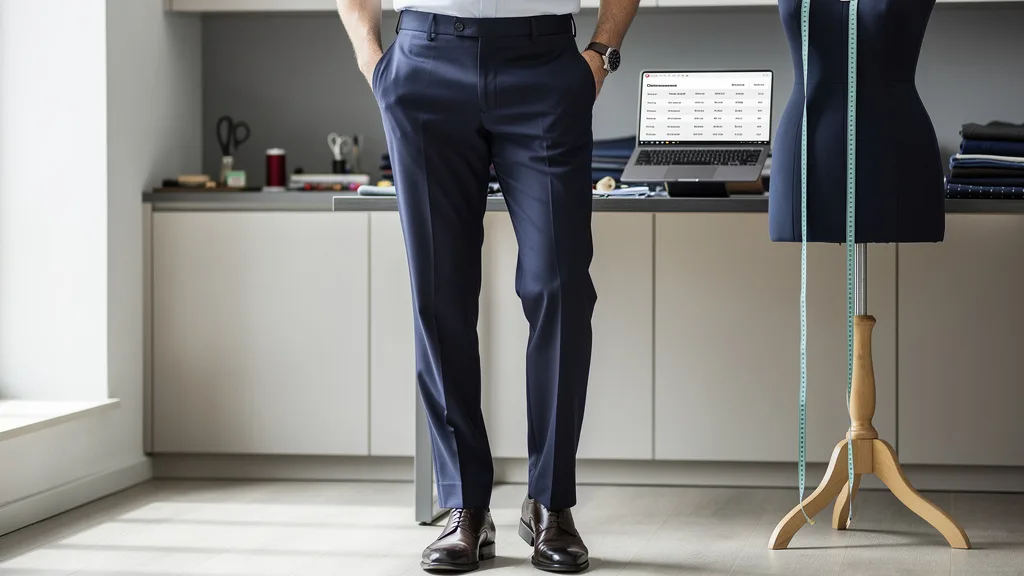
The seat of the trousers should lightly hug your form without being restrictive or excessively loose. You should be able to move, sit, and walk comfortably without the fabric pulling tightly across your backside. Conversely, if there is a lot of sagging or excess fabric, the trousers are too big in the seat, which can look sloppy. Aim for a smooth drape that follows your natural shape.
Understanding Trouser Rise: Low, Mid, and High
The rise is the distance from the crotch seam to the top of the waistband, and it determines where the trousers sit on your body. Low-rise trousers sit on the hips, offering a modern and casual look. Mid-rise trousers, which sit between the hips and the navel, are the most common and versatile option, suitable for most body types and occasions.
High-rise trousers sit at or above the natural waist, creating a more traditional and formal silhouette that can elongate the legs. The right rise for you depends on your torso length and personal preference. For most men, a mid-rise offers the best balance of comfort and timeless style, working well for both business and casual settings.
Getting the Inseam and Length Correct
The inseam, or the length of the pant leg from the crotch to the hem, is crucial for achieving a polished look. Trousers that are too long will bunch up around your ankles, looking messy and unkempt. Trousers that are too short can look awkward and disrupt the clean line from your waist to your shoes. Getting the length right is often a matter of personal preference related to the ‘break’.
For a precise fit, it’s always best to measure your inseam or have a tailor do it for you. When trying on trousers, wear the shoes you plan to pair with them most often to get an accurate idea of the length. For those who need specific sizing assistance, using a comprehensive XXXL size chart can be a helpful starting point for finding measurements that work for your body type before making final tailoring adjustments.
The Different Types of Trouser Breaks
The ‘break’ refers to the small fold or crease that forms at the bottom of your trousers where they meet your shoes. There are several types of breaks, each creating a different aesthetic. A ‘no break’ style means the hem just grazes the top of your shoe, offering a very modern, clean, and cropped look, popular with slim-fit trousers.
A ‘slight’ or ‘quarter’ break is a more conservative and versatile option, where the trouser has a very subtle fold. A ‘half break’ has a more noticeable fold and is a classic choice for business and formal wear. Finally, a ‘full break’ features a deep crease and is a more traditional, old-school style. For most men in 2026, a slight or half break provides the best balance of contemporary style and classic elegance.
A Guide to Different Men’s Trouser Styles
Once you understand fit, you can explore the diverse world of trouser styles. Different occasions call for different types of pants, and building a versatile wardrobe means having a few key options on hand. From casual chinos to formal dress pants, each style has its own unique characteristics and purpose.
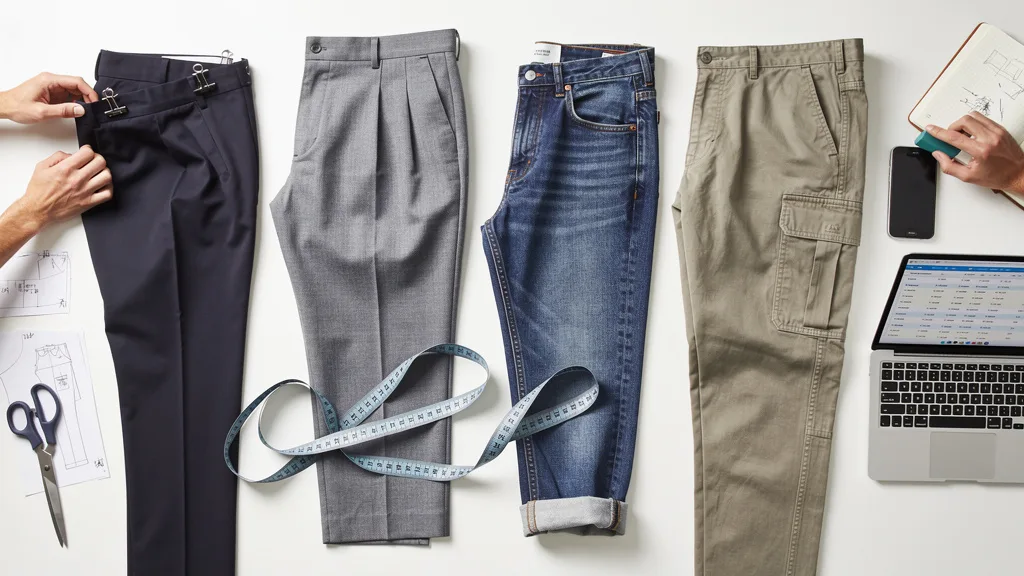
The table below outlines some of the most popular trouser types for men, helping you distinguish between them and choose the right pair for your needs.
| Trouser Style | Primary Fabric | Formality Level | Best For |
|---|---|---|---|
| Chinos | Lightweight Cotton Twill | Casual to Smart Casual | Weekends, casual Fridays, social events |
| Dress Pants (Slacks) | Wool, Polyester, Linen | Business Casual to Formal | Office wear, weddings, formal events |
| Slim-Fit Trousers | Cotton with Stretch, Wool | Smart Casual to Business Casual | Modern office looks, date nights |
| Cargo Pants | Durable Cotton, Ripstop | Casual | Outdoor activities, streetwear, weekend errands |
| Corduroys | Cotton (Corduroy Weave) | Casual to Smart Casual | Autumn and winter, creative workplaces |
| Linen Trousers | Linen | Casual to Smart Casual | Summer, beach vacations, warm climates |
Chinos: The Versatile Wardrobe Staple
Chinos are arguably the most versatile trousers a man can own. Made from lightweight cotton twill, they strike the perfect balance between casual and smart. They are more formal than jeans but less so than dress pants, making them ideal for a wide range of situations, from a weekend brunch to a smart casual office environment.
Available in a vast array of colors, with khaki, navy, and grey being the most classic choices, chinos can be easily dressed up or down. Pair them with a t-shirt and sneakers for a relaxed look, or with a button-down shirt and loafers for a more polished ensemble. Their adaptability makes them a cornerstone of modern menswear.
Dress Pants (Slacks): For Formal and Business Wear
Dress pants, also known as slacks, are the go-to option for formal and professional settings. Typically made from materials like wool, polyester, or linen, they are designed to be worn with sport coats, blazers, or suit jackets. They feature a smoother texture and a more structured drape than chinos, often with a center crease down the leg for a sharp, formal appearance.
When building a professional wardrobe, start with core colors like charcoal grey, navy blue, and black. These colors are easy to pair with a variety of shirts and jackets. Ensure your dress pants fit impeccably, as they are a key component of any formal or business outfit where looking polished is non-negotiable.
Slim-Fit Trousers: A Modern, Tailored Look
Slim-fit trousers offer a contemporary silhouette that is narrow through the leg and tapers towards the ankle. This style provides a clean, modern aesthetic that is popular in both casual and professional contexts. They are designed to follow the natural shape of your leg without being skin-tight, avoiding the restrictive feel of skinny pants.
This fit works well for men with slender to average builds. Many slim-fit trousers incorporate a small amount of stretch fabric for added comfort and mobility. While this cut is modern, it’s distinct from overly casual styles. For instance, comparing them to loose fit jeans for men highlights the difference between a tailored profile and a relaxed, casual one.
Cargo Pants: Functional and Casual by Design
Once purely utilitarian, cargo pants have made a major comeback as a fashionable casual option. Characterized by their large pockets on the sides of the legs, they offer a relaxed, functional, and rugged look. Modern cargo pants often feature a more tapered or slimmer fit compared to their baggy predecessors, making them easier to style.
Cargo pants are strictly for casual wear. They are perfect for outdoor activities, travel, or simply a laid-back weekend look. Pair them with a simple t-shirt, hoodie, and sneakers. Stick to neutral, earthy tones like olive green, khaki, and black to keep the look grounded and stylish.
Corduroys: Textured Trousers for Cooler Seasons
Corduroys are defined by their distinct ridged texture, known as ‘wales’. This soft yet durable cotton fabric makes them an excellent choice for autumn and winter. They provide more warmth and texture than standard chinos, adding a touch of academic or heritage charm to an outfit.
Cords come in various wale thicknesses, with a finer wale appearing more formal and a thicker wale looking more casual. They are incredibly versatile and can be worn in smart casual or relaxed settings. Rich, autumnal colors like brown, forest green, and burgundy are classic choices that pair well with sweaters, flannel shirts, and tweed jackets.
Linen Trousers: Lightweight and Breathable Options
When the temperature rises, linen trousers are your best friend. Made from the fibers of the flax plant, linen is exceptionally lightweight, breathable, and absorbent, making it perfect for hot and humid climates. The fabric has a naturally relaxed and slightly wrinkled appearance, which is part of its charm.
Linen trousers are ideal for beach vacations, summer parties, and casual warm-weather events. They look best in light colors like white, beige, and light blue. Pair them with a simple polo, a breezy button-down shirt, and espadrilles or leather sandals for an effortlessly cool summer look.
Choosing the Right Trouser Fabric
The fabric of your trousers dictates their comfort, durability, appearance, and seasonality. Understanding the properties of different materials will help you make an informed choice and build a wardrobe that is prepared for any weather or occasion. Each fabric has a distinct feel and function.
Cotton and Twill Weaves
Cotton is the most common fabric for men’s trousers, prized for its breathability, softness, and versatility. Chinos are a prime example, made from a lightweight cotton twill that is both durable and comfortable. Cotton is easy to care for and can be worn almost year-round in most climates.
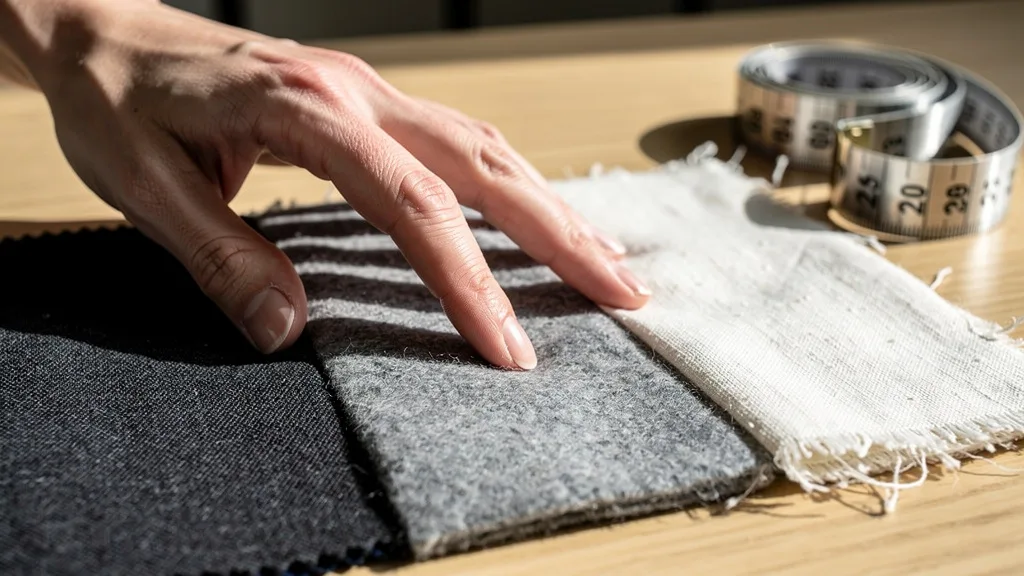
Twill is a type of weave characterized by diagonal parallel ribs, which makes the fabric strong and resistant to showing dirt. Besides chinos, denim is another famous twill fabric. The versatility of cotton twill makes it a foundational material for any man’s wardrobe, perfect for creating a range of smart casual looks.
Wool, Flannel, and Tweed
Wool is the classic choice for formal dress pants and suiting. It drapes beautifully, resists wrinkling, and is highly breathable, making it comfortable in both cooler and warmer conditions. Worsted wool is smooth and ideal for year-round wear, while flannel and tweed are heavier, textured wools perfect for cold weather.
Flannel has a soft, brushed surface that provides excellent insulation, making it a cozy option for winter trousers. Tweed is a rough, woolen fabric with a more rugged, country-inspired feel. Both flannel and tweed add visual interest and warmth, making them excellent choices for sophisticated cold-weather outfits.
Linen and Seersucker
For peak summer, nothing beats linen and seersucker. As mentioned, linen is incredibly lightweight and breathable, though it does wrinkle easily. This relaxed look is part of its appeal and is perfect for casual, warm-weather settings. It’s a key fabric for resort wear and staying cool in style.
Seersucker is a puckered cotton fabric that is also designed for heat. The puckering keeps most of the fabric away from the skin, allowing for better air circulation. It’s a preppy American classic, often seen in light blue and white stripes, and is perfect for summer events where you want to look sharp without overheating. For more on summer style, see this guide to shorts for men: comfort meets style.
How to Style Trousers for Any Occasion
Owning the right trousers is only half the battle; knowing how to style them is what truly elevates your look. By pairing your trousers with the right shirts, shoes, and accessories, you can create cohesive and appropriate outfits for any event, from a casual weekend get-together to a formal business meeting.
Building a Smart Casual Outfit
Smart casual is a dress code that bridges the gap between formal and informal. Chinos are the hero of this look. Start with a pair of well-fitting chinos in a neutral color like navy, grey, or beige. Pair them with a crisp button-down shirt, a quality polo, or a fine-gauge knit sweater.

For footwear, opt for leather loafers, desert boots, or clean, minimalist sneakers. You can add a blazer or a casual jacket, like a harrington or bomber, to complete the look. The key is to mix relaxed pieces with more formal ones to create a look that is polished but not stuffy. For example, knowing the best pants to pair with a mustard colour shirt can add a confident splash of color to your smart casual rotation.
“Style begins with the foundation. Perfectly fitting trouser pants for men are that foundation. Get the fit right, and the rest of the outfit naturally falls into place, projecting confidence and attention to detail.”
For business and formal occasions, wool dress pants are the standard. Pair charcoal or navy slacks with a light-colored dress shirt, a silk tie, and a well-tailored blazer or suit jacket. Ensure your shirt is tucked in neatly and your trousers have a clean break over your shoes.
Attention to detail is paramount. Your leather belt should match your dress shoes, and your socks should complement the color of your trousers. For the most formal events, such as black-tie optional, a dark suit with perfectly pressed dress pants is required. The goal is a sharp, professional, and respectful appearance.
Pairing Trousers with Shoes and Belts
The shoes and belt you choose can make or break your outfit. For formal and business wear, always match the color of your leather belt to your leather shoes. Brown shoes go with a brown belt, and black shoes go with a black belt. Oxfords, Derbies, and Monk Straps are excellent choices for dress pants.
For smart casual outfits with chinos or corduroys, you have more flexibility. Loafers, chukka boots, and even clean leather sneakers work well. Here, the belt doesn’t have to be an exact match to the shoes, but it should be in a complementary tone. A braided leather or woven fabric belt can also add a nice touch of texture to a more casual look. This is also highlighted in a video by ZENMEN on Instagram.
Key Takeaways
Mastering men’s trousers comes down to a few core principles. This guide has covered the essentials, but here are the most important points to remember as you build your wardrobe in 2026.
- Fit is Paramount: The most crucial element of any pair of trousers is the fit. Pay close attention to the waist, seat, rise, and length. A trip to the tailor is a worthwhile investment.
- Build a Versatile Wardrobe: Own at least three core styles: a pair of versatile chinos for smart casual wear, a pair of wool dress pants for formal occasions, and a style that suits your lifestyle, like linen or corduroys.
- Fabric Dictates Function: Choose fabrics based on the season and occasion. Cotton is a year-round staple, wool is for formal and cool weather, and linen is for the heat.
- Mind the Details: The right shoes, belt, and trouser break can elevate your entire look. For formal wear, match your leathers. For casual wear, you have more creative freedom.
- Prioritize Comfort and Confidence: The ultimate goal is to find trousers that are not only comfortable and flattering but also make you feel confident. When you feel good in what you’re wearing, it shows.
Frequently Asked Questions
What is the 3-3-3 rule in men’s fashion?
The 3-3-3 rule is a minimalist wardrobe concept designed to simplify dressing. It involves choosing three tops, three bottoms, and three pairs of shoes that can all be mixed and matched to create numerous outfits. It’s a great way to build a functional and cohesive capsule wardrobe, ensuring every piece you own is versatile and gets worn regularly.
For trousers, this might mean selecting one pair of dark dress pants, one pair of neutral chinos, and one pair of casual pants like jeans or cords. These three options would cover most of your needs, from formal events to casual weekends, when paired with your chosen tops and shoes.
What are the most popular men’s trouser styles for 2026?
For 2026, versatility and comfort continue to be key trends. The most popular styles include well-fitting chinos in earthy tones and classic neutrals, as they effortlessly handle smart casual dress codes. We are also seeing a rise in relaxed-fit or straight-leg trousers, moving slightly away from the ultra-slim fits of previous years.
Additionally, textured fabrics like corduroy and flannel remain popular for seasonal wear, adding depth to outfits. Lightweight linen and pleated trousers are also a major trend for warmer months, offering a blend of classic tailoring and relaxed comfort. You can find more inspiration in A Detailed Guide To Every type of men’s trouser.
Can you wear chinos instead of dress pants?
Whether you can substitute chinos for dress pants depends entirely on the dress code and occasion. For smart casual or business casual environments, a clean, well-pressed pair of chinos in a dark color like navy or charcoal can often be an acceptable substitute for dress pants. They pair well with a blazer and dress shirt.
However, for formal events, business professional settings, or any occasion requiring a suit, dress pants are non-negotiable. Chinos are inherently more casual due to their cotton twill fabric and construction, and they will look out of place in a truly formal context. When in doubt, it’s always safer to opt for dress pants.
What is the difference between pants, trousers, and slacks?
In American English, ‘pants’ is the general, catch-all term for garments worn on the lower half of the body. ‘Trousers’ is a slightly more formal term, often used to refer to tailored pants that are not jeans. ‘Slacks’ is another term that typically refers to dress pants that are not part of a suit.
Essentially, all trousers and slacks are types of pants, but not all pants are trousers or slacks (e.g., jeans, joggers). In British English, ‘trousers’ is the standard term, while ‘pants’ refers to underwear. For the purposes of this guide, ‘trousers’ refers to smarter alternatives to jeans.
How do you choose the right trouser color?
When building a trouser collection, start with a foundation of versatile, neutral colors. Navy, charcoal grey, and khaki (or beige) are the three most essential colors. These shades are easy to pair with almost any shirt or jacket color and are appropriate for a wide range of occasions.
Once you have the basics covered, you can expand to other colors. Olive green is another versatile neutral that works well in casual contexts. For seasonal wear, consider colors like burgundy or brown for autumn and light blue or white for summer. The key is to choose colors that complement the other items in your wardrobe.
Conclusion
This complete guide to trouser pants for men has equipped you with the knowledge to make smarter choices for your wardrobe. Understanding the principles of fit, from the waist to the break, is the most critical step. A well-fitting pair of trousers provides a clean canvas that allows your personal style to shine through, ensuring you look polished and feel comfortable.
The key takeaways are to prioritize fit above all else, build a versatile collection with core styles like chinos and dress pants, and pay attention to fabric and details. By mastering these elements, you move beyond simply wearing clothes and begin to build intentional, stylish outfits. Whether you’re dressing for a casual weekend, a day at the office, or a formal event, the right trousers are your greatest asset.
With this foundation, you can confidently explore different styles, colors, and fabrics that express your personality. You no longer have to guess what works; you have a clear roadmap to looking your best in 2026 and beyond. Ready to find your perfect pair?
Explore our curated collection of men’s trousers designed for the modern man. From versatile chinos to sharp dress pants, we have the styles to help you build a wardrobe you’ll love. Find your perfect fit and elevate your style today. SHOP NOW.