

Why a Perfect Fit in a Premium Shirt Matters
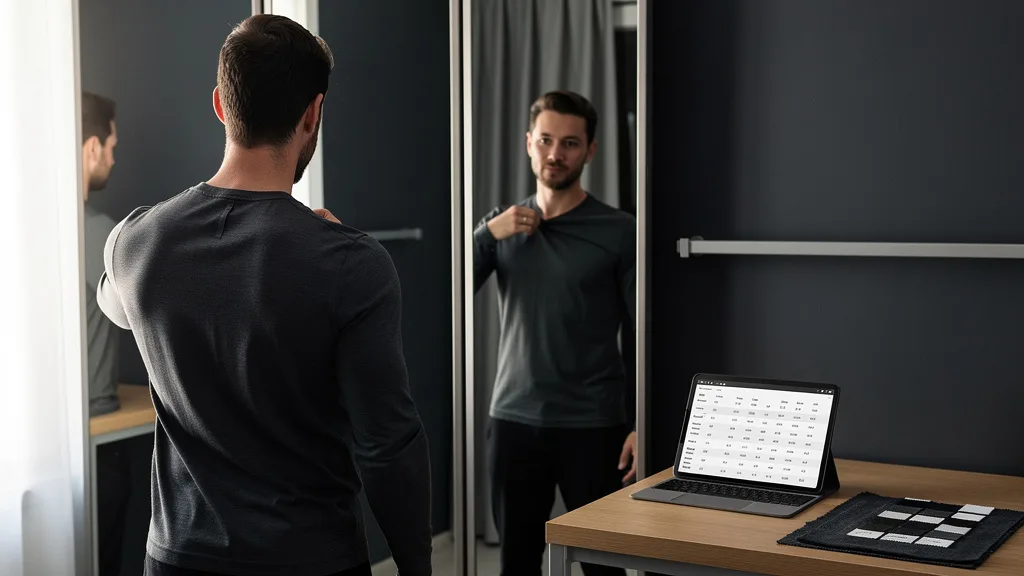
Have you ever bought a beautiful, high-quality shirt online, only for it to arrive and fit poorly? A premium shirt is an investment in your style and confidence, but its impact is lost if the fit isn’t right. The perfect fit elevates your entire appearance, ensuring the fabric drapes correctly, the seams align with your body, and you feel comfortable and unrestricted throughout your day. It’s the difference between looking sharp and looking like you borrowed someone else’s clothes.
When you invest in premium apparel, you’re paying for superior fabric, detailed craftsmanship, and a design that’s meant to flatter. A shirt that’s too tight can pull and pucker, while one that’s too loose can look sloppy and hide your physique. Knowing how to find your perfect fit in premium shirts online is the key to unlocking the full value of your wardrobe. A well-fitted shirt communicates attention to detail and a sense of personal pride, making it essential for both professional settings and casual outings.
“In 2026, the definition of luxury in fashion is not just about the brand name; it’s about a personalized experience. A perfectly fitting shirt is the cornerstone of that experience. It’s the silent ambassador of your personal style and confidence.”
How to Find Your Perfect Fit: Taking Key Measurements
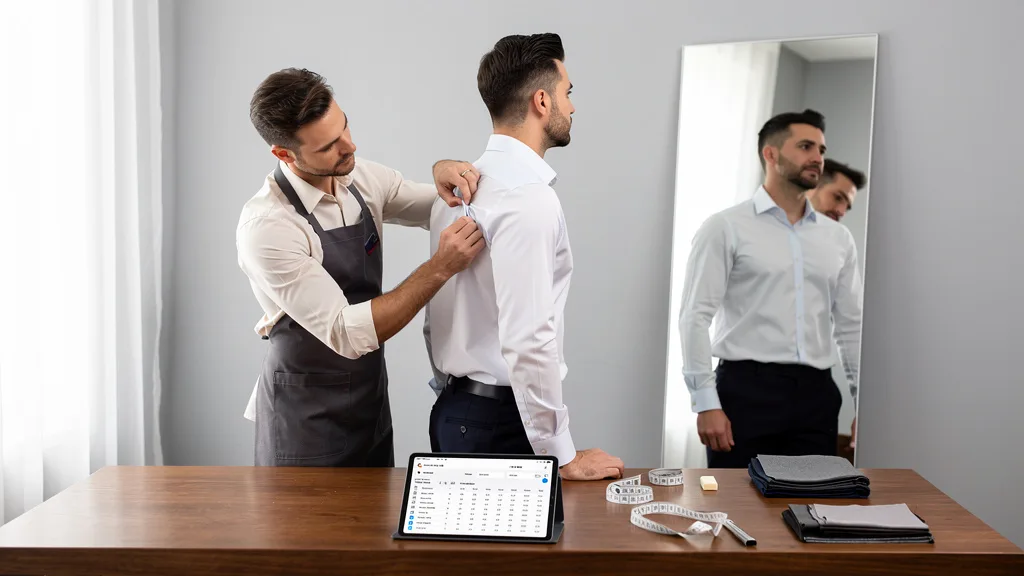
The most reliable way to find your perfect shirt size online is to take your own measurements. This simple process takes only a few minutes and removes the guesswork from shopping. All you need is a soft measuring tape. By comparing your personal measurements to a brand’s size chart, you can order with confidence, knowing the garment is tailored to your unique proportions. These numbers are your personal key to unlocking a world of perfectly fitting clothes.
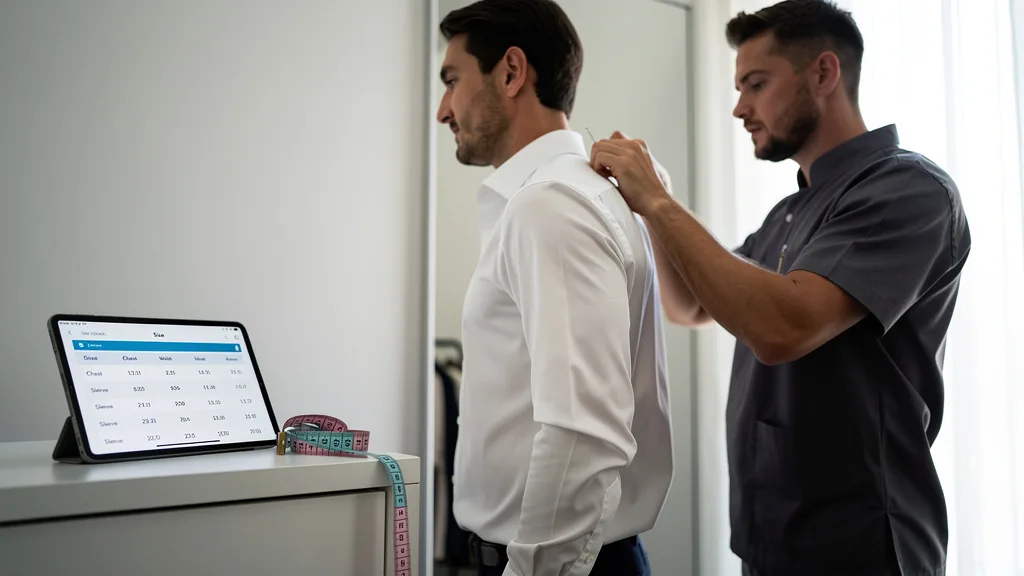
Remember to stand in a relaxed, natural posture while measuring. Don’t pull the tape too tight or leave it too loose; it should be snug against your body without constricting. For the most accurate results, consider asking a friend to help, especially with the sleeve length. Taking these few extra steps ensures your next premium shirt fits as if it were made just for you.
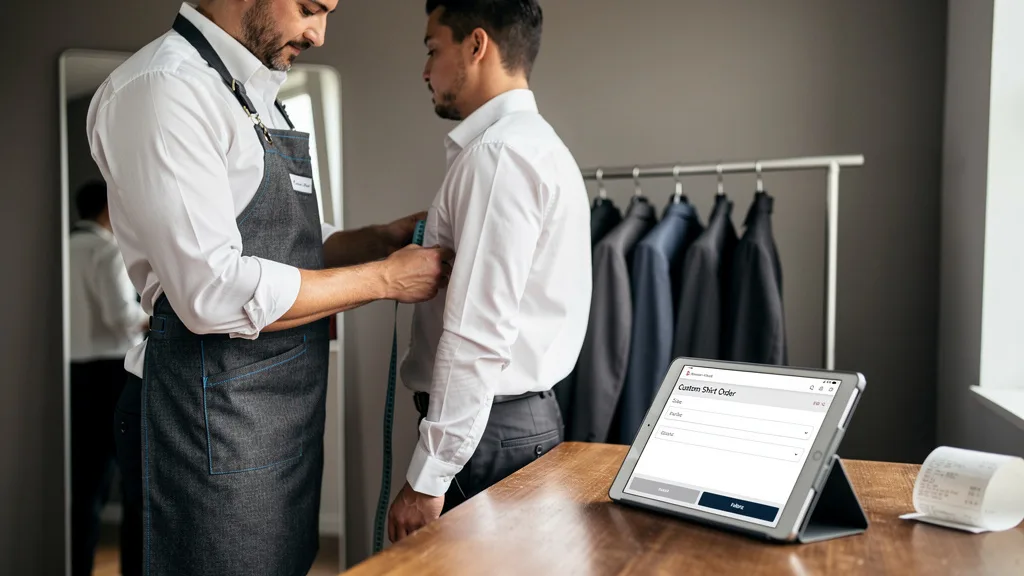
Measuring Your Neck Circumference
Your neck measurement is crucial for formal shirts and any collared shirt you plan to button to the top. To measure your neck, wrap the measuring tape around the base of your neck, just below your Adam’s apple where the collar would naturally sit. The tape should be level and not too tight.
A good rule of thumb is to place one or two fingers between the tape and your neck. This ensures the collar won’t be uncomfortably tight when fully buttoned, allowing for breathing room and movement. Record this measurement in inches or centimeters, as both are commonly used in size charts.
Measuring Your Chest for Optimal Comfort
The chest measurement determines how the shirt will fit across your upper body. To measure your chest, stand up straight and wrap the measuring tape around the fullest part of your chest, typically just under your armpits. Keep the tape parallel to the floor and ensure it goes all the way around your back.
Make sure the tape is snug but not so tight that it compresses your chest. Take a normal breath and relax your arms at your sides. This measurement is vital for avoiding a fit that is either too restrictive, causing buttons to pull, or too baggy, creating excess fabric around your torso.
Measuring Your Sleeve Length Correctly
Sleeve length is often measured in a specific way that can be tricky to do on your own. For an accurate measurement, start from the center of the back of your neck, run the tape over the top of your shoulder, down your arm to your elbow, and finally to your wrist bone. Your arm should be slightly bent at the elbow.
This method ensures the sleeve will be long enough even when you move and bend your arms. A sleeve that is too short will ride up your forearm, while one that is too long will bunch up at your wrist and look untidy. Getting this measurement right is a hallmark of a well-fitted dress shirt.
Measuring Your Waist for a Tapered Look
The waist measurement is especially important for modern and slim-fit shirts, as it dictates how tapered the shirt will be. To measure your waist, wrap the tape around your natural waistline, which is usually the narrowest part of your torso, located just above your belly button. Don’t suck in your stomach; stand naturally for an accurate reading.
This measurement helps you avoid shirts that are tight around the midsection or, conversely, have a “billowing” effect with too much excess fabric. A shirt that follows the natural taper of your body from chest to waist provides a much cleaner and more flattering silhouette. This is a key step in finding your perfect shirt size for men and women alike.
Decoding Shirt Sizing and Navigating Size Charts
Once you have your measurements, the next step is to interpret a brand’s sizing information. Shirt sizing can be confusing, with some brands using generic labels like Small (S), Medium (M), and Large (L), while others use precise neck and sleeve measurements. Understanding the difference is key to making an informed choice and avoiding returns.
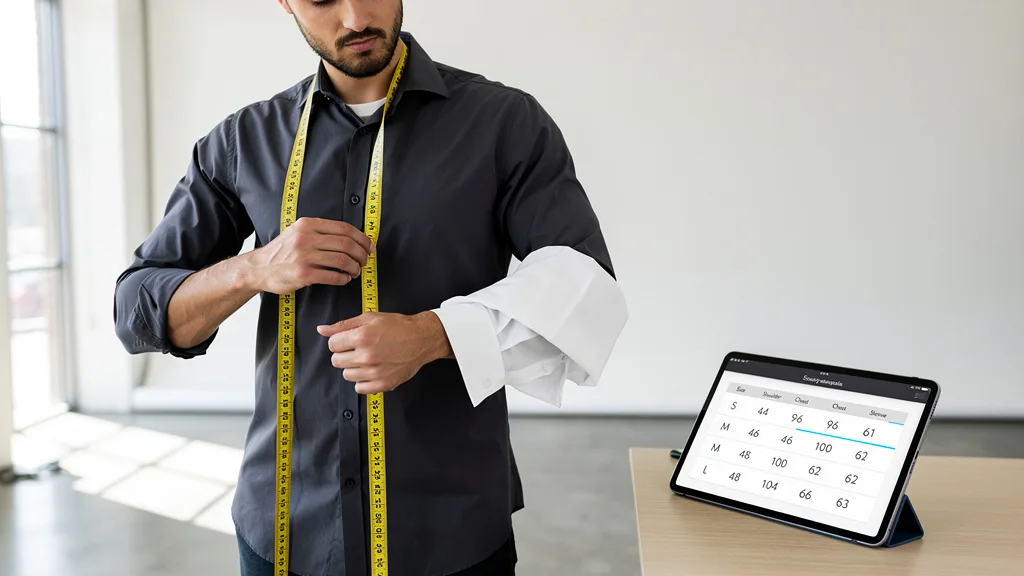
Always locate the brand-specific size chart on the product page before adding an item to your cart. Never assume that your size in one brand will be the same in another, as sizing can vary significantly. A few moments spent studying the chart will save you the disappointment of a poor fit.

Standard Sizing vs. Specific Neck and Sleeve Sizes
Standard sizing (S, M, L, XL) is common for casual shirts, t-shirts, and some polo shirts. These sizes are designed to fit a broader range of body types within a certain category. For example, a Medium might be designed for a chest measurement of 38-40 inches. This type of sizing offers convenience but less precision.
Formal shirts, on the other hand, often use specific measurements for the neck and sleeve length (e.g., 15.5″ / 34-35″). This two-number system offers a much more tailored and accurate fit, especially for those who don’t fit perfectly into standard size brackets. When buying a premium dress shirt, always look for this more detailed sizing to ensure a perfect fit around the collar and a correct sleeve length.
How to Read a Brand’s Size Chart Like a Pro
To effectively use a size chart, compare your neck, chest, sleeve, and waist measurements to the numbers provided. If your measurements fall between two sizes, consider the shirt’s fit type. For a slim-fit shirt, it’s often better to size up to avoid a restrictive feel. For a classic or regular fit, you might be able to size down for a more tailored look.
Pay close attention to the units of measurement (inches vs. centimeters) and any fit notes the brand provides. Some brands will state if a shirt runs large or small. For plus sizes, consulting a dedicated XXXL size chart can provide more specific guidance tailored to a comfortable and flattering fit.
| Size | Neck (inches) | Chest (inches) | Sleeve (inches) | Waist (inches) |
|---|---|---|---|---|
| S (Small) | 14 – 14.5 | 36 – 38 | 32 – 33 | 30 – 32 |
| M (Medium) | 15 – 15.5 | 39 – 41 | 33 – 34 | 33 – 35 |
| L (Large) | 16 – 16.5 | 42 – 44 | 34 – 35 | 36 – 38 |
| XL (Extra Large) | 17 – 17.5 | 45 – 47 | 35 – 36 | 39 – 41 |
A Complete Guide to Common Shirt Fit Types
Beyond measurements, the “fit” or “cut” of a shirt dramatically affects how it looks and feels. Brands typically offer several fit types to cater to different body shapes and style preferences. Understanding these categories helps you select the perfect shirt that not only fits your measurements but also aligns with your desired silhouette.
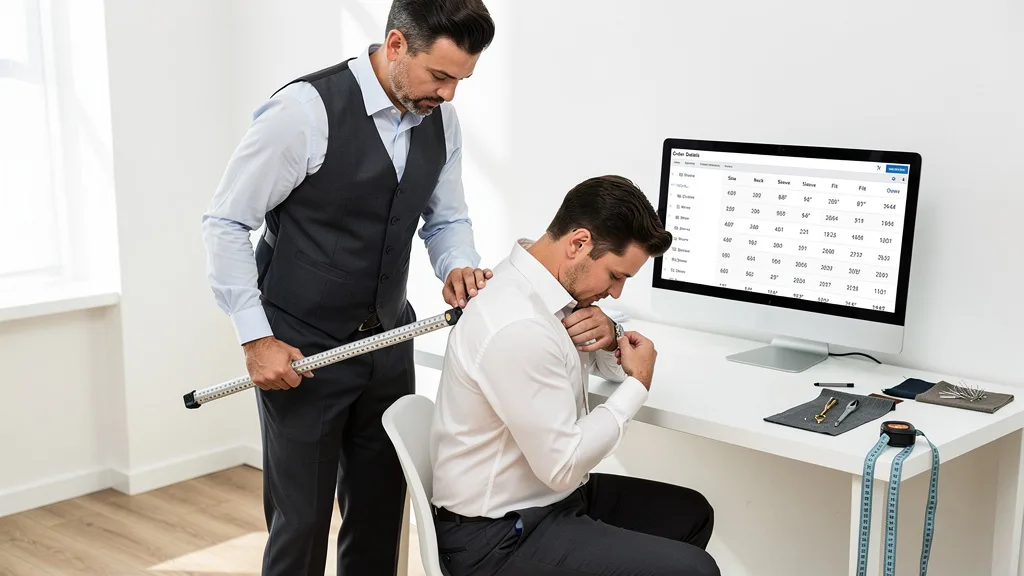
The three most common fits are Classic, Slim, and Modern (or Athletic). Each offers a different amount of room in the chest, waist, and arms. Choosing the right one depends on your body type and how you want the shirt to drape.
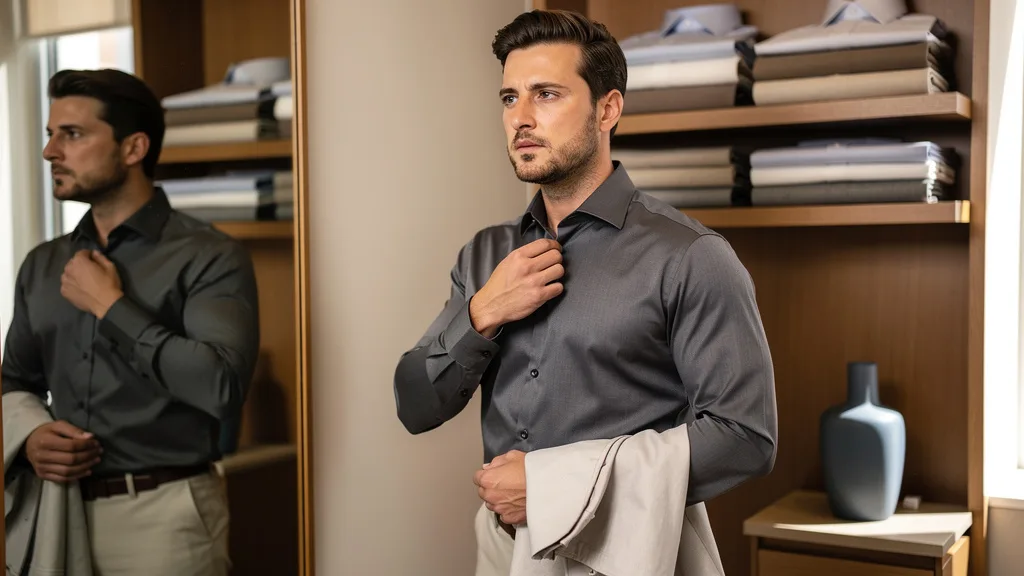
Classic Fit: Traditional and Roomy
The Classic Fit, also known as a Regular Fit, is the most traditional option. It is cut generously through the chest and waist, with wider arms and a broad cut across the shoulders. This fit prioritizes comfort and freedom of movement over a contoured look.
This style is an excellent choice for individuals with a broader or larger build, or for those who simply prefer a more relaxed, non-restrictive feel in their clothing. If you value comfort for all-day wear, exploring the best regular fit shirts for everyday comfort is a great place to start. It’s a timeless cut that remains a staple in men’s wardrobes.
Slim Fit: Modern and Contoured
The Slim Fit is a contemporary cut designed to sit closer to the body. It is tapered through the waist and has a narrower cut in the chest and arms. This fit eliminates excess fabric, creating a sharp, streamlined silhouette that accentuates your physique.
This style is ideal for slender body types or for anyone who prefers a modern, tailored appearance. However, if you have a broader chest or shoulders, a slim-fit shirt might feel too restrictive. It’s a popular choice for both formal shirts and casual button-downs, offering a sleek and fashionable look.
Modern or Athletic Fit: A Hybrid Approach
The Modern Fit, sometimes called an Athletic Fit, is a hybrid between the Classic and Slim fits. It is designed for those with a V-shaped torso, offering more room in the chest and shoulders while tapering down to a narrower waist. This cut accommodates a more muscular build without being as baggy as a Classic Fit.
This fit provides a flattering silhouette that is both comfortable and stylish, making it a versatile choice for many body types. It offers the best of both worlds: the comfort of a classic cut with the tailored appearance of a slim fit. It’s an increasingly popular option for men who want a polished look without sacrificing mobility.
Tips for Choosing the Perfect Shirt Online in 2026
Shopping for premium shirts online has become easier than ever, but a few expert tips can help you perfect your process. Beyond just measurements and fit types, other factors can influence how a shirt ultimately looks and feels once it arrives. Keeping these points in mind will help you make smarter purchasing decisions.
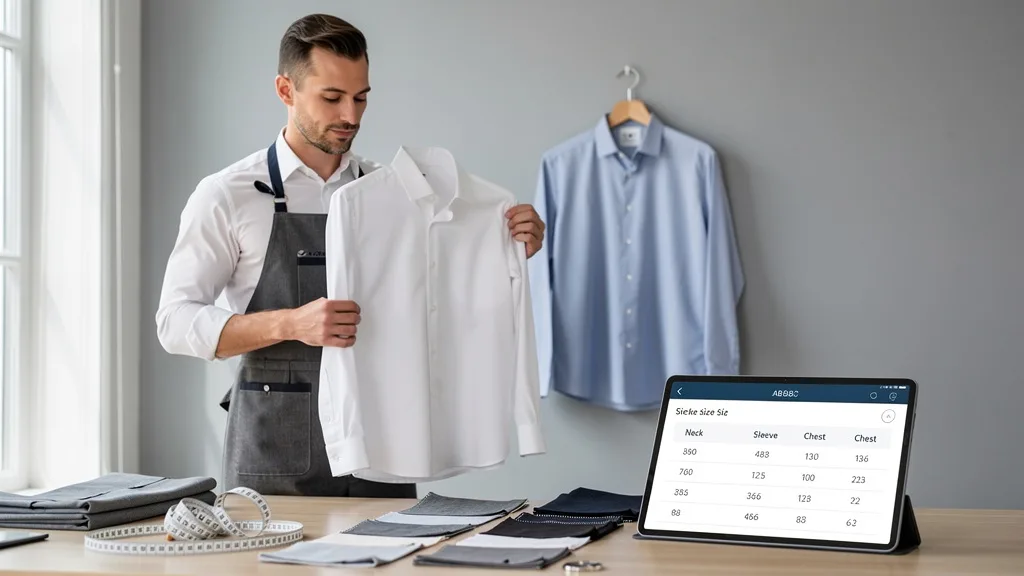
By combining your knowledge of sizing with an understanding of materials and real-world feedback, you can build a wardrobe of shirts that you love to wear. A savvy online shopper uses all the information available to ensure every purchase is a success.
Consider Fabric and Material for a Better Fit
The fabric of a shirt plays a significant role in its fit, drape, and comfort. Natural fibers like cotton and linen offer breathability and softness, but some may shrink slightly after the first wash. Performance blends with a hint of stretch (like elastane or spandex) can provide a more forgiving and flexible fit, especially in slim-cut shirts.
Always check the product description for fabric composition. For example, a 100% poplin cotton shirt will feel crisp and structured, while a jersey knit will be soft and stretchy. Understanding these properties helps you anticipate how the shirt will behave on your body. For seasonal choices, knowing the material is key, especially when looking for the best premium shirts for summer.
Use Customer Reviews for Real-World Sizing Advice
Customer reviews are an invaluable resource when shopping online. Look for comments that specifically mention sizing and fit. Reviewers often share their own height, weight, and body type, along with the size they purchased and how it fit them. This real-world feedback can provide crucial context that a standard size chart lacks.
Pay attention to recurring comments. If multiple customers say a shirt runs small, you should probably size up. This is one of the best ways to avoid common purchasing errors and gain confidence in your choice. Learning from others’ experiences is a smart way to navigate the potential pitfalls of online shopping, helping you avoid 5 common mistakes when buying premium shirts.
Always Check the Return and Exchange Policy
Even with careful measuring and research, sometimes a shirt just doesn’t fit perfectly. Before making a purchase, always familiarize yourself with the brand’s return and exchange policy. A flexible and hassle-free policy provides a safety net, allowing you to shop with peace of mind.
Look for details like the return window, whether return shipping is free, and if you can get a full refund or only store credit. A company that stands behind its products with a fair return policy shows confidence in its quality and sizing. This is a non-negotiable for any significant online apparel purchase in 2026.
Key Takeaways
Mastering the art of buying premium shirts online comes down to a few core principles. By following this guide, you can confidently select garments that offer a perfect fit and elevate your style. Here are the most important points to remember:
- Measure Yourself Accurately: Your neck, chest, sleeve, and waist measurements are your most powerful tools. Use a soft measuring tape for precise numbers.
- Understand Size Charts: Never assume your size. Always compare your measurements to the specific brand’s size chart on the product page.
- Know Your Fit Types: Choose between Classic, Slim, and Modern/Athletic fits based on your body type and style preference for the most flattering silhouette.
- Consider the Fabric: The material of the shirt affects its drape, stretch, and potential for shrinkage. Check the fabric composition before you buy.
- Leverage Customer Feedback: Use reviews to get real-world insights into how a shirt fits on different body types.
- Check the Return Policy: A good return policy is your safety net, ensuring you can make an exchange if the fit isn’t quite right.
Frequently Asked Questions
What is the 3-3-3 rule for clothes?
The 3-3-3 rule is a minimalist wardrobe challenge or method for curating a versatile closet. It involves choosing 3 tops, 3 bottoms, and 3 pairs of shoes and creating as many outfits as possible from only those nine items. The goal is to encourage creativity, reduce decision fatigue, and highlight the power of versatile, high-quality pieces.
This concept can be adapted in various ways, such as the 333 project (33 items for 3 months). It helps you identify which pieces in your wardrobe are true workhorses and which are merely taking up space. Applying this rule can help you invest more wisely in premium shirts that can be styled in multiple ways.
What is the difference between a dress shirt and a formal shirt?
The terms “dress shirt” and “formal shirt” are often used interchangeably, but there can be subtle distinctions. A dress shirt is a broad category for collared, button-front shirts, which can be worn in business or smart-casual settings. They come in various colors, patterns, and fabrics.
A true formal shirt is a specific type of dress shirt intended for black-tie or white-tie events. These shirts typically have unique features like a pleated or bib front, French cuffs (requiring cufflinks), and a wing or spread collar designed to be worn with a tuxedo and bow tie. While all formal shirts are dress shirts, not all dress shirts are suitable for formal wear.
Should I size up or down if I am between shirt sizes?
If you find your measurements fall between two sizes, the best choice depends on the shirt’s fit and fabric. For a slim-fit shirt, it is almost always better to size up. A slightly larger slim-fit shirt can be tailored for a perfect fit, whereas one that’s too small is unwearable. For a classic or regular fit, you may have more flexibility to size down for a neater look, as the cut is already generous.
Also, consider the fabric. A 100% cotton shirt may shrink slightly, so sizing up could be a safer bet. If the shirt contains stretch fibers like elastane, it will be more forgiving, and you might stick with the smaller size. Always check customer reviews for specific advice on the item you’re considering, as this can provide the best guidance. For a more detailed look at sizing, you can reference a guide like our M size in number article.
How much can I expect a premium shirt to shrink after washing?
The amount of shrinkage depends almost entirely on the fabric composition and how you care for the garment. Premium shirts made from 100% natural fibers like cotton or linen are most prone to shrinkage, typically around 1-3% after the first few washes. This could mean losing up to a quarter-inch in the collar or a half-inch in sleeve length.
To minimize shrinkage, always follow the care label instructions. Wash in cold water and either tumble dry on a low heat setting or, for best results, hang to dry. High-quality pre-shrunk cotton will shrink less. Our beginner guide to premium shirt care offers more tips on preserving the fit and quality of your investment.
Can a tailor fix a shirt that does not fit perfectly?
Absolutely. A skilled tailor can make a good-fitting shirt look like it was custom-made. Common alterations include slimming the torso by adding darts in the back, shortening the sleeves, or tapering the arms. These adjustments can transform an off-the-rack shirt into a perfectly contoured garment.
However, there are limits to what a tailor can do. It’s much easier to make a shirt smaller than it is to make it larger. A tailor cannot add fabric to a chest or shoulder that is too tight. For this reason, it’s always best to buy a shirt that fits perfectly in the shoulders and chest and then have other areas, like the waist or sleeves, taken in if needed.
Conclusion
Finding a premium shirt that fits perfectly is no longer a game of chance. By following the steps outlined in this guide, you have the power to confidently navigate the world of online apparel shopping. The key is to move beyond generic sizes and embrace a more personalized approach. Taking your own measurements, understanding fit types, and carefully reading size charts will transform your buying experience from a guess to a guarantee.
The most important takeaways are to prioritize accurate measurements for your neck, chest, and sleeves, and to always cross-reference them with each brand’s unique size chart. Remember to consider the shirt’s designated fit, whether classic, slim, or modern, as this will dictate its overall shape. Finally, paying attention to fabric composition and customer reviews will provide the final layers of insight needed to make a truly informed decision.
With this knowledge, you are now equipped to build a wardrobe of high-quality shirts that not only look exceptional but also feel incredibly comfortable. You can finally click “add to cart” with the assurance that you’ve made the right choice for your body and your style. Ready to put your new skills to the test? Explore our collection of meticulously crafted premium shirts designed for a perfect fit.
Discover our curated selection of premium shirts, kurtas, and suits, crafted with superior fabrics and an unwavering attention to detail. Find the style that speaks to you and experience the difference a perfect fit makes. SHOP NOW.