

Ready to buy your first kurta but not sure where to start? This versatile garment is a staple in traditional wear, but navigating the options can be overwhelming for a newcomer. A great first experience depends on getting the fabric, fit, and occasion right from the start.
This ultimate Kurta Buying Checklist for First Time Buyers is your definitive guide for 2026. We will walk you through selecting the perfect fabric for comfort, nailing the fit for a sharp silhouette, and choosing a style that expresses your personality, ensuring your first purchase is a success. Follow these steps to buy a kurta with confidence.
First Things First: Understanding Kurta Fundamentals
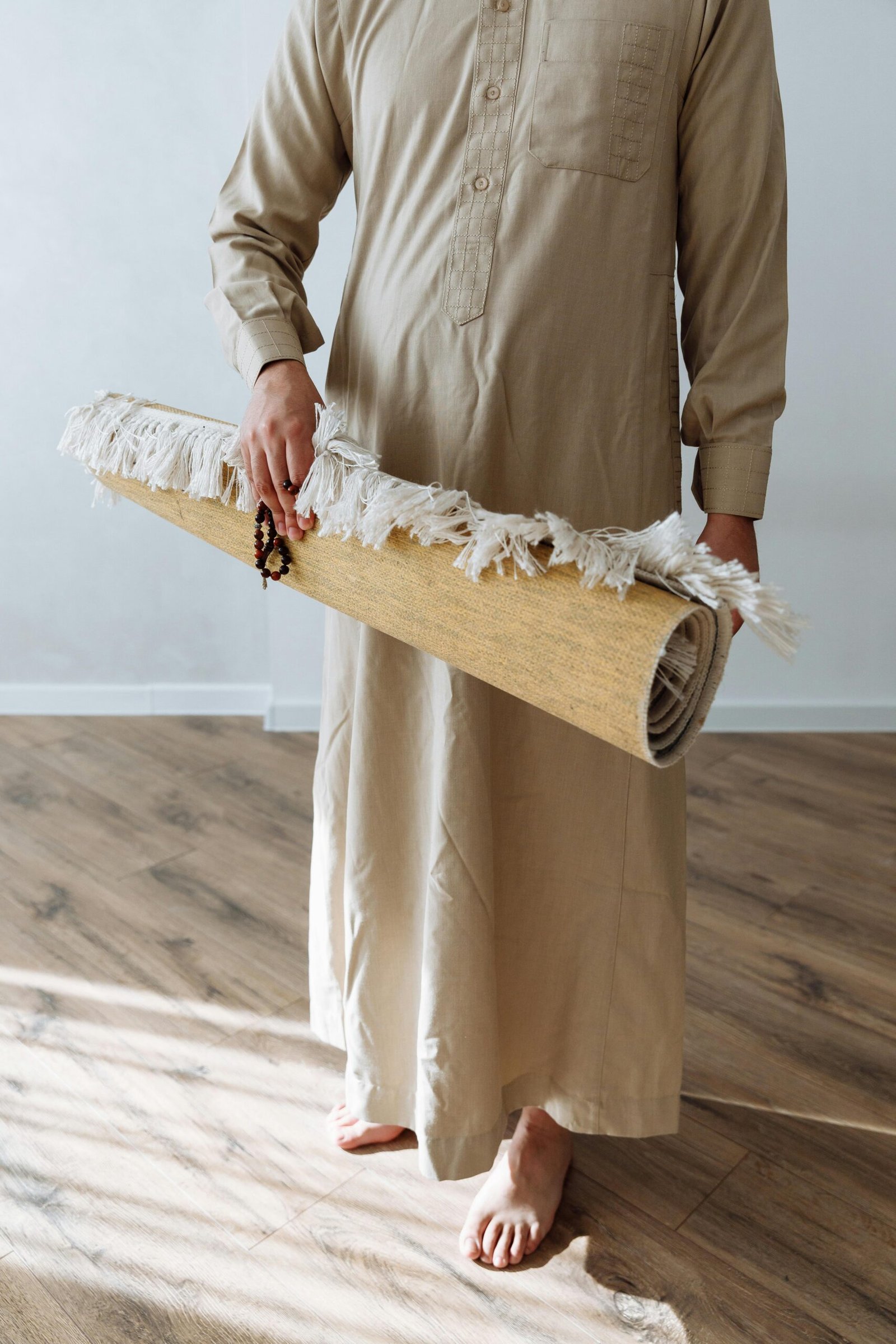
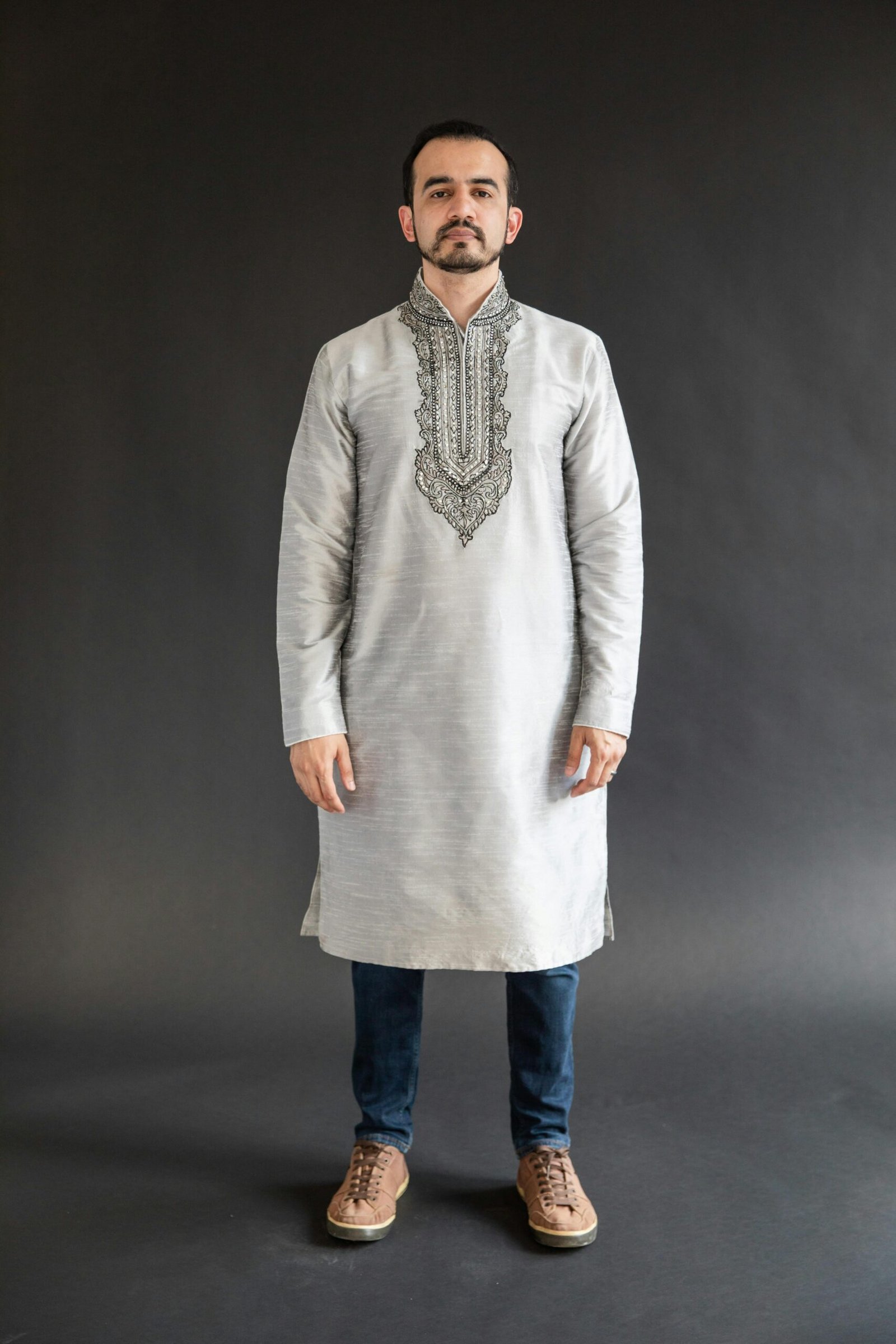
Before you begin shopping, it’s helpful to understand the basics of this classic garment. A kurta is a long, loose-fitting shirt that typically falls to the knees or slightly below. It’s known for its comfort and adaptability, making it suitable for a wide range of events, from casual gatherings to formal ceremonies. Understanding its components will empower you to make a more informed decision.
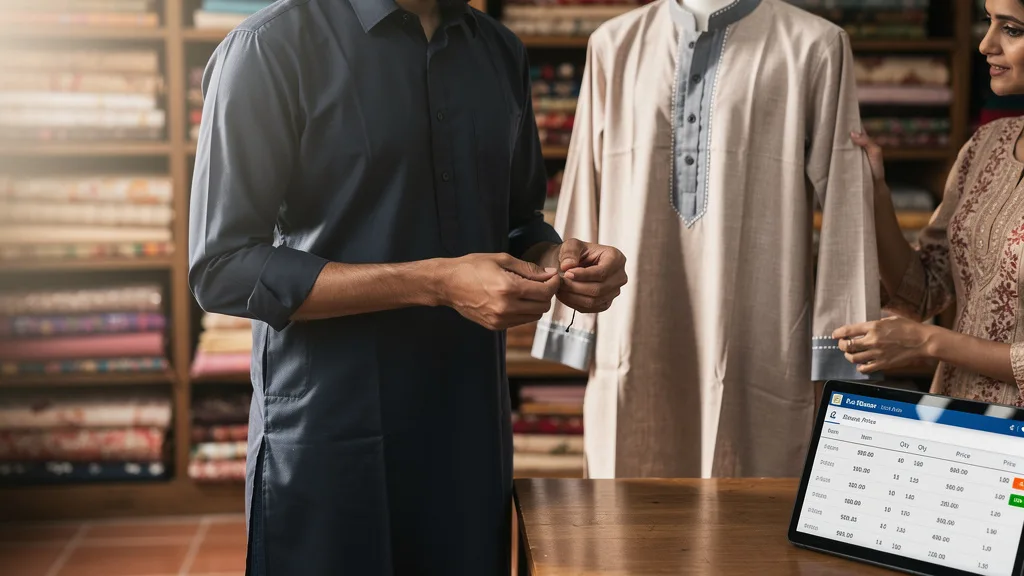
Key elements to know include the fabric, which dictates comfort and appearance; the cut, which determines the silhouette; the neckline, such as a Mandarin collar or a simple round neck; and the sleeve length. Many kurtas also feature embellishments like embroidery, prints, or decorative buttons. Familiarizing yourself with these fundamentals will make it much easier to navigate your options and find a kurta for men that you’ll love to wear.
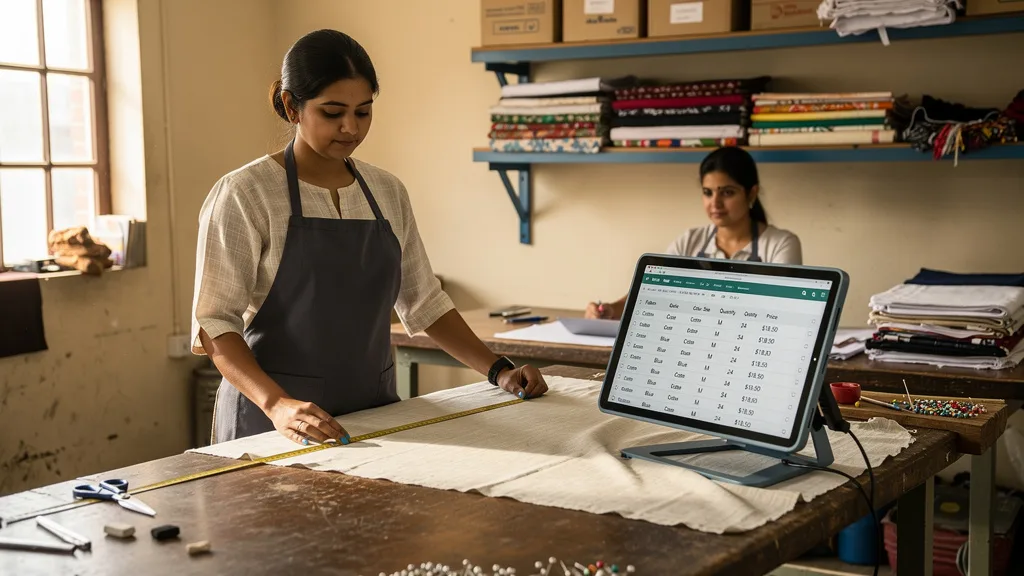
The Essential Kurta Buying Checklist for 2026
To ensure your first kurta purchase is a success, follow this step-by-step checklist. This structured approach simplifies the process, helping you focus on what matters most at each stage of your decision. By considering each element carefully, you’ll select a piece that not only looks great but also feels comfortable and suits your needs perfectly.

This checklist is designed to prevent buyer’s remorse and guide you toward a versatile and stylish addition to your wardrobe. From defining the event to setting a budget, each step is crucial. Let’s break down the essential points to consider before you make your purchase.
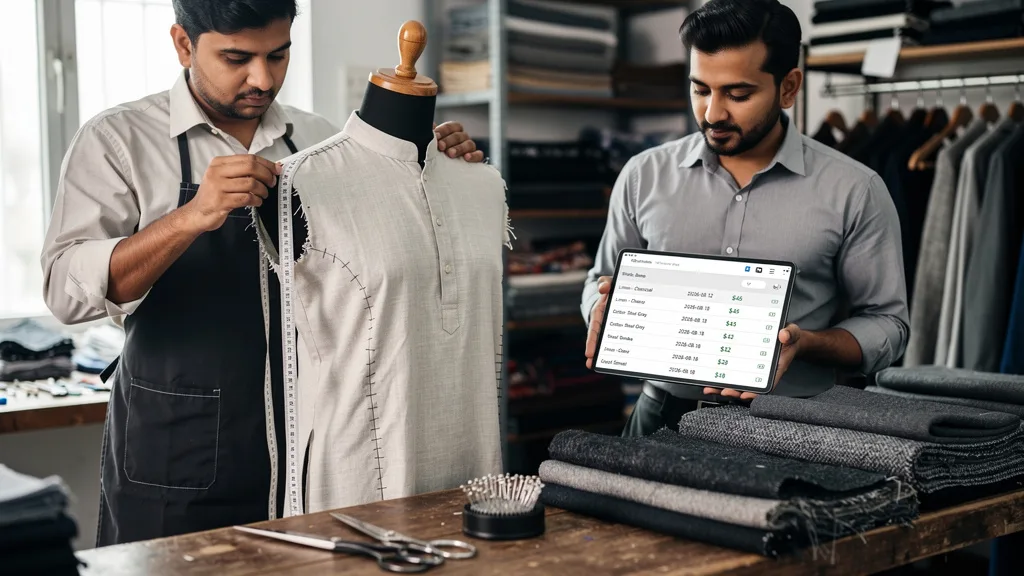
Define the Occasion: Casual, Festive, or Formal
The first question to ask yourself is: where will you be wearing this kurta? The occasion dictates everything from the fabric to the level of embellishment. For daily or casual wear, a simple, breathable cotton or linen kurta is an excellent choice. These are comfortable, easy to maintain, and offer a relaxed yet put-together look.
For festive events like festivals or family celebrations, you can opt for something more vibrant. Look for kurtas in richer fabrics like silk blends, brocade, or tussar, often adorned with light embroidery or intricate prints. Formal occasions, such as weddings or receptions, call for more opulent choices. Think luxurious fabrics like raw silk or velvet with heavy, detailed embroidery or embellishments. Knowing how to choose the perfect kurta for weddings ensures you look appropriate and stylish.
Select the Right Fabric for Comfort and Style
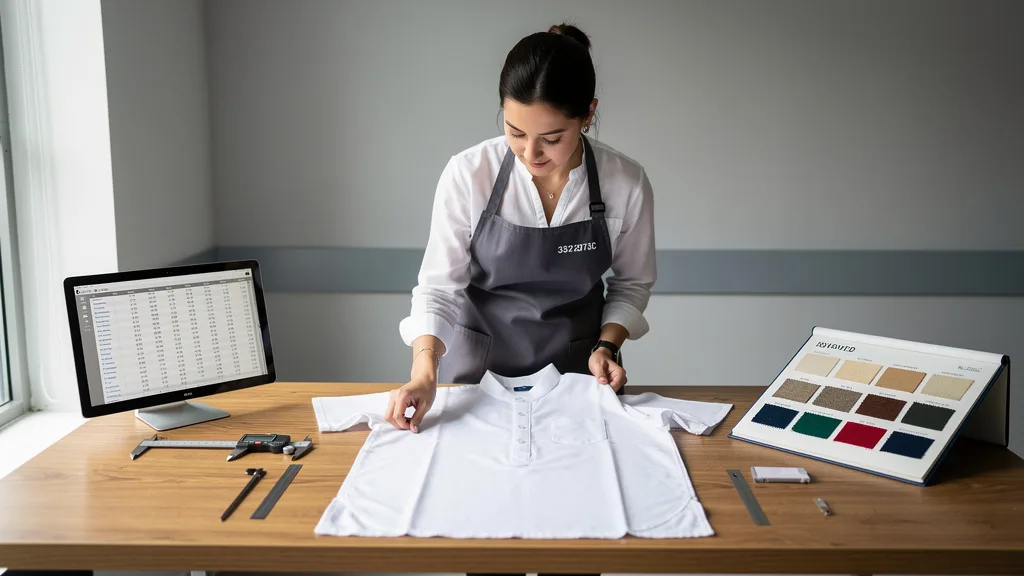
The fabric of your kurta is paramount to its comfort, look, and feel. For hot and humid climates, lightweight and breathable materials like cotton, linen, and khadi are ideal. They keep you cool and are generally easy to care for. Cotton is versatile and comes in many weaves, while linen offers a crisp, sophisticated look that softens with wear.
Silk, brocade, and velvet are reserved for more formal and celebratory events. These fabrics have a natural sheen and luxurious drape that elevates the entire outfit. However, they often require more delicate handling and professional cleaning. Rayon and other synthetic blends can offer a good balance of affordability and drape, mimicking the feel of more expensive fabrics. Always check the fabric composition to understand its breathability and care requirements.
| Fabric | Best For | Feel & Look | Care Level |
|---|---|---|---|
| Cotton | Daily Wear, Hot Weather | Soft, Breathable, Casual | Easy (Machine Washable) |
| Linen | Summer Events, Casual Chic | Crisp, Cool, Textured | Medium (Prone to Wrinkles) |
| Silk | Weddings, Formal Events | Lustrous, Smooth, Luxurious | High (Dry Clean Only) |
| Khadi | Casual & Semi-Formal | Coarse, Breathable, Earthy | Medium (Hand Wash) |
| Rayon | Festive, Casual | Smooth, Drapes Well | Medium (Gentle Wash) |
Nail the Perfect Fit: Sizing and Kurta Cuts
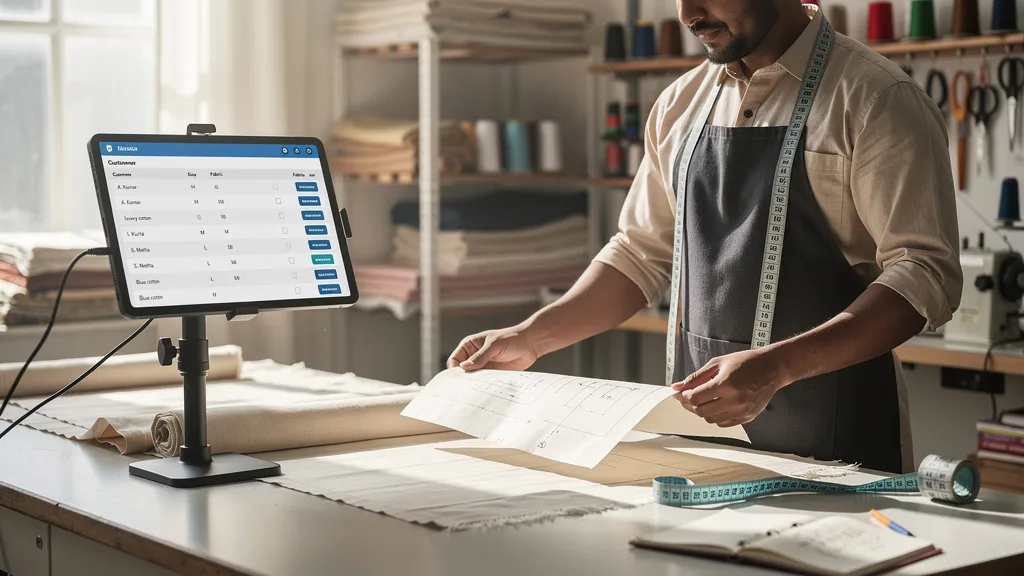
A well-fitting kurta can make all the difference. It should be comfortable, allowing for ease of movement without being overly baggy or restrictive. Before buying, especially online, take your measurements: chest, shoulders, and desired length. Compare these with the brand’s size chart, as sizing can vary significantly between manufacturers.
“A well-fitting kurta is the foundation of a great look. It should drape comfortably without being too tight or too baggy. Always prioritize comfort and movement, as that’s the essence of this timeless garment.”
Kurtas come in various cuts. The classic straight cut is the most common, offering a clean, linear silhouette. An A-line cut flares slightly from the waist, providing more room around the hips. Some modern styles might be more tailored or asymmetrical. For your first kurta, a classic straight cut is a safe and versatile choice that flatters most body types.
Choose a Style: Necklines, Sleeves, and Embellishments
The style of the kurta is defined by its details. The neckline is a key feature; a Mandarin collar (or bandhgala neck) offers a sharp, formal look, while a simple round or V-neck is more casual. The placket, or the opening for the buttons, can also be a point of interest, with some being concealed and others featuring decorative buttons.
Sleeve length is typically long, but you can find shorter or three-quarter sleeves for a more contemporary feel. Finally, consider the embellishments. For a minimalist look, choose a solid-color kurta with no decoration. For more flair, options range from subtle threadwork (embroidery) around the neck and cuffs to all-over prints or bold patterns. Choose a style that reflects your personal taste and the occasion.
Pick Your Palette: Finding Flattering Colors
Color choice can dramatically affect your overall appearance. For first-time buyers, classic, versatile colors are a great starting point. Neutrals like white, beige, navy, and black are timeless and can be dressed up or down easily. These colors also pair well with a wide variety of bottom wear.
If you want to experiment with color, consider your skin tone. Jewel tones like emerald, sapphire, and ruby often look striking for festive occasions. Pastels such as mint green, lavender, and baby blue are excellent for daytime events in the spring and summer. Don’t be afraid to choose a color that makes you feel confident. For more guidance, exploring the best shirt colour for men can provide useful principles that apply to kurtas as well.
Establish Your Budget Before You Shop
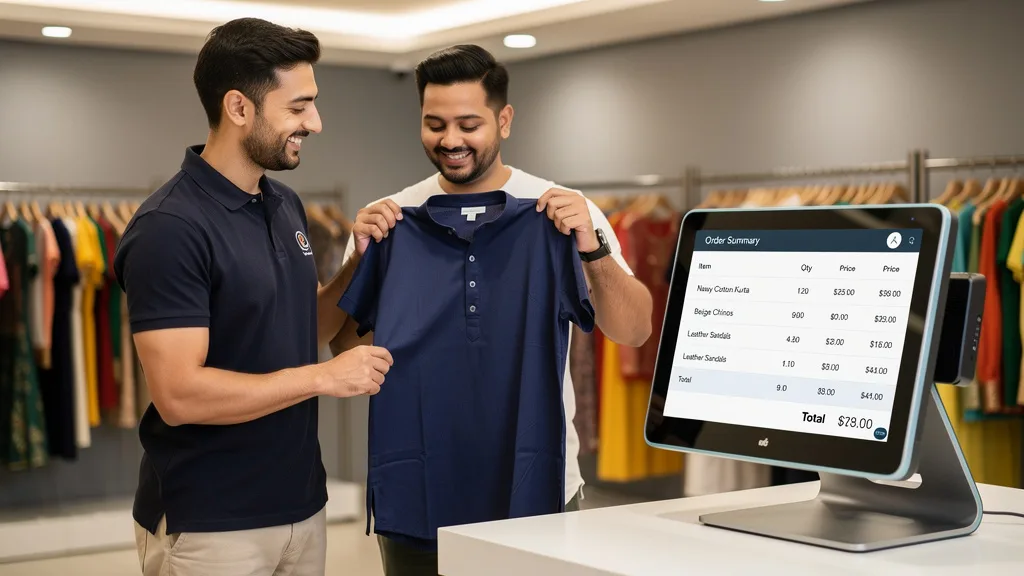
Kurtas are available at a vast range of price points, from budget-friendly options to high-end designer pieces. Before you start browsing, it’s wise to establish a budget. This will help you narrow down your options and prevent overspending. The price is usually determined by the fabric, the complexity of the craftsmanship (embroidery, weaving), and the brand.
A basic cotton kurta for daily wear will be significantly more affordable than a hand-embroidered raw silk kurta for a wedding. By setting a budget, you can focus your search on pieces that offer the best quality and style within your price range. Remember that a higher price doesn’t always guarantee better quality, so refer back to the points on fabric and fit to make a smart investment.
Common Pitfalls to Avoid When Buying Your First Kurta
Buying your first kurta should be an exciting experience, but a few common mistakes can lead to disappointment. Being aware of these potential pitfalls will help you make a purchase you’re happy with long-term. The most frequent errors often relate to overlooking practical details in favor of aesthetics alone.
From ignoring care labels to guessing your size, these missteps are easily avoidable with a little foresight. By paying attention to the details, you can ensure your new garment fits well, lasts long, and is appropriate for its intended use. Let’s cover the three biggest mistakes to steer clear of.
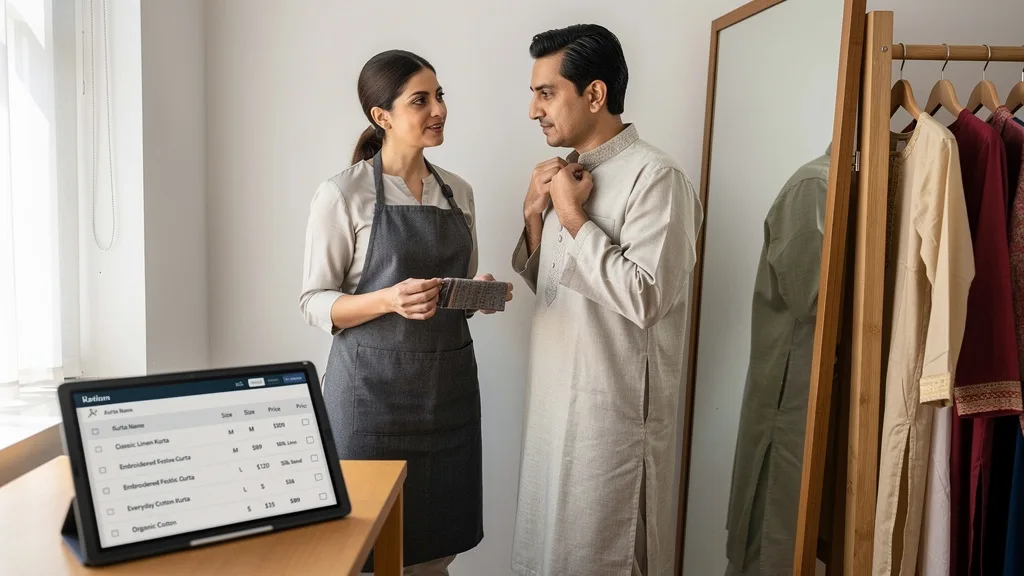
Ignoring the Fabric’s Care Instructions
One of the most common mistakes is falling in love with a kurta’s design but ignoring its care requirements. Delicate fabrics like silk, velvet, or those with heavy embroidery often require dry cleaning or gentle hand washing. Tossing such a garment into a regular machine wash can cause irreparable damage, such as shrinking, color bleeding, or ruining the embellishments.
Before you buy, always check the care label. Be realistic about the amount of maintenance you’re willing to undertake. If you prefer low-maintenance clothing, stick to durable, machine-washable fabrics like cotton or cotton blends for your first purchase. This simple check will extend the life of your kurta and keep it looking its best.
Choosing the Wrong Size Without Measuring
It’s tempting to guess your size or assume it’s the same as your t-shirt size, but this is a frequent cause of poorly fitting kurtas. Sizing is not standardized across brands, and a ‘Large’ from one company might be a ‘Medium’ from another. This is especially true when shopping online, where you can’t try the garment on.
Always take your own measurements (chest, shoulders, waist, and length) and compare them to the brand’s specific size chart. Pay attention to whether the fit is described as ‘slim’, ‘regular’, or ‘relaxed’. Making this a habit is crucial, similar to avoiding common mistakes when buying premium shirts. A few minutes with a measuring tape can save you the hassle and cost of a return.
Overlooking the Importance of the Occasion
Another pitfall is buying a kurta that is stylistically inappropriate for the event you plan to attend. Wearing a heavily embroidered, flashy silk kurta to a casual brunch will look out of place, just as a simple cotton kurta would be underdressed for a wedding reception. The beauty of the kurta lies in its versatility, but this requires choosing the right one for the context.
Refer back to the first step of the checklist: define the occasion. If you’re buying a kurta for a specific event, ensure the fabric, color, and level of embellishment align with the dress code. If you’re buying a general-purpose kurta, a classic, mid-range style in a versatile fabric is your best bet.
How to Style Your Kurta for Any Occasion
Once you’ve purchased the perfect kurta, the next step is styling it. The right pairings can transform your look, adapting your kurta for various levels of formality. The key is to balance the elements of your outfit, from the bottom wear to the accessories, to create a cohesive and polished appearance.
Styling is what truly makes the outfit your own. Whether you’re aiming for a traditional, contemporary, or fusion look, the right combinations will highlight your kurta and showcase your personal style. Here’s how to complete your ensemble from head to toe.
Pairing with Bottoms: Pajamas, Dhotis, or Trousers
The traditional partner for a kurta is the pajama, a loose-fitting drawstring trouser made from a similar or contrasting fabric. A classic kurta pajama set is a go-to for comfort and traditional events. For a more formal and fitted look, a churidar, which is tight from the calf down and gathers at the ankle, is an excellent choice. Dhotis and salwars offer a more voluminous and regional look.
For a modern, fusion style, don’t be afraid to pair your kurta with other types of trousers. A straight-cut or slightly shorter kurta can look incredibly chic with tailored trousers or even a clean pair of dark-wash jeans. This contemporary pairing is perfect for casual outings and semi-formal events, offering a blend of comfort and modern style.
Choosing Complementary Footwear
Your choice of footwear is crucial for completing the look. For a traditional ensemble, classic Indian footwear is the best option. Mojris or juttis, which are handcrafted leather flats, often with embroidery, are the perfect match for festive and formal kurtas. Simple leather sandals or Kolhapuris are great for a more relaxed, casual vibe.
If you’re opting for a fusion look by pairing your kurta with trousers or jeans, your footwear options expand. Clean leather loafers, brogues, or even minimalist sneakers can work well, provided they are clean and match the overall tone of your outfit. Avoid bulky sports shoes, as they can clash with the elegance of the kurta.
Accessorizing Your Look for a Polished Finish
Accessories are the final touch that can elevate your kurta outfit from good to great. For formal or festive occasions, a stole or dupatta draped over one shoulder can add a layer of sophistication and color. A classic wristwatch is always a stylish choice. For an added touch of elegance, consider a pocket square if your kurta has a chest pocket.
Keep accessories minimal for casual looks. A simple watch or a leather bracelet might be all you need. The key is to ensure your accessories complement the outfit rather than overwhelm it. The goal is a polished, intentional look that reflects your personal style.
Key Takeaways
Navigating the world of kurtas for the first time is simple when you have a clear plan. This guide provides a solid foundation for making a confident and successful purchase. Here are the most important points to remember from our Kurta Buying Checklist for First Time Buyers:
- Occasion is Key: Always match the kurta’s fabric and embellishment level to the event. A casual cotton kurta is for daily wear, while an embroidered silk one is for formal events.
- Fit Over Everything: A well-fitting kurta is non-negotiable. Always measure yourself and consult the brand’s size chart, especially when buying online. The right fit ensures comfort and a sharp silhouette.
- Fabric Dictates Feel: Choose breathable fabrics like cotton and linen for hot weather and comfort. Reserve luxurious fabrics like silk and velvet for special occasions that call for a grander look.
- Style Smartly: The right bottoms, footwear, and accessories complete your look. Pair with traditional pajamas for classic events or with trousers for a modern, fusion style.
Frequently Asked Questions
What is the difference between a kurta and a sherwani?
A kurta is a versatile, knee-length tunic for casual to formal wear. A sherwani is a longer, more structured coat-like garment, almost always worn for formal occasions like weddings. Sherwanis are typically made of heavier, richer fabrics and worn over a kurta.
How should I care for a delicate or embroidered kurta?
Always check the care label first. Generally, delicate and embroidered kurtas should be dry-cleaned to protect the fabric and threadwork. If you must wash at home, use a gentle, cold-water hand wash and air dry it away from direct sunlight.
Which kurta fabrics are best for hot weather?
For hot and humid weather, choose natural, breathable fabrics. Cotton is the top choice for its softness and air circulation. Linen and khadi are also excellent options as they are lightweight and help keep you cool and comfortable throughout the day.
Can a kurta be tailored for a better fit?
Yes, absolutely. Most kurtas can be easily tailored for a better fit. A local tailor can adjust the side seams for a slimmer fit, shorten the sleeves, or hem the length. This is a great way to get a custom-fit feel from an off-the-rack garment.
Conclusion
Embarking on your journey to find the perfect kurta doesn’t have to be complicated. By following this comprehensive kurta buying checklist for first-time buyers, you are now equipped with the knowledge to make an informed choice. The key is to balance aesthetics with practicality, ensuring your selection is not only stylish but also comfortable and appropriate for your needs.
Remember the core principles: define the occasion, prioritize the right fabric and fit, and don’t be afraid to let your personal style shine through in your choice of color and embellishments. Avoiding common pitfalls like ignoring care instructions or size charts will ensure your first kurta is a cherished part of your wardrobe for years to come. A great kurta is a timeless investment in style and comfort.
Now that you know what to look for, you’re ready to explore the world of kurtas with confidence. Finding the right piece can elevate your style for any event. Ready to put your new knowledge to the test and find your perfect kurta?
Explore our curated collection of high-quality kurtas for every occasion. From casual cotton to festive silks, we have something for everyone. Find your style and make your first kurta purchase a memorable one. SHOP NOW.