


When building a versatile wardrobe, have you ever wondered which suit fabric truly stands the test of time and season? Choosing the right material is the most critical decision you’ll make, impacting your comfort, style, and the longevity of your investment. Whether you need a professional workhorse or a relaxed weekend option, the choice between wool, linen, and cotton defines the character of your suit.
When deciding between Wool, Linen, or Cotton: Which Suit Fabric for Year Round Wear?, wool is the most versatile choice. A mid-weight wool suit offers natural temperature regulation, making it comfortable in both cooler and warmer months. Linen is the superior option for hot, humid climates due to its exceptional breathability, while cotton provides a durable and more casual alternative perfect for relaxed settings. Your ideal fabric ultimately depends on your primary climate and occasion.
The foundation of any great suit is its fabric. Each material possesses unique properties that make it suitable for different environments, occasions, and personal styles. Understanding the fundamental differences between wool, linen, and cotton is the first step toward making an informed choice that will serve you well for years to come. These three natural fibers have been the cornerstone of tailoring for centuries, each offering a distinct combination of performance and aesthetics.
Wool: The Versatile and Resilient Classic
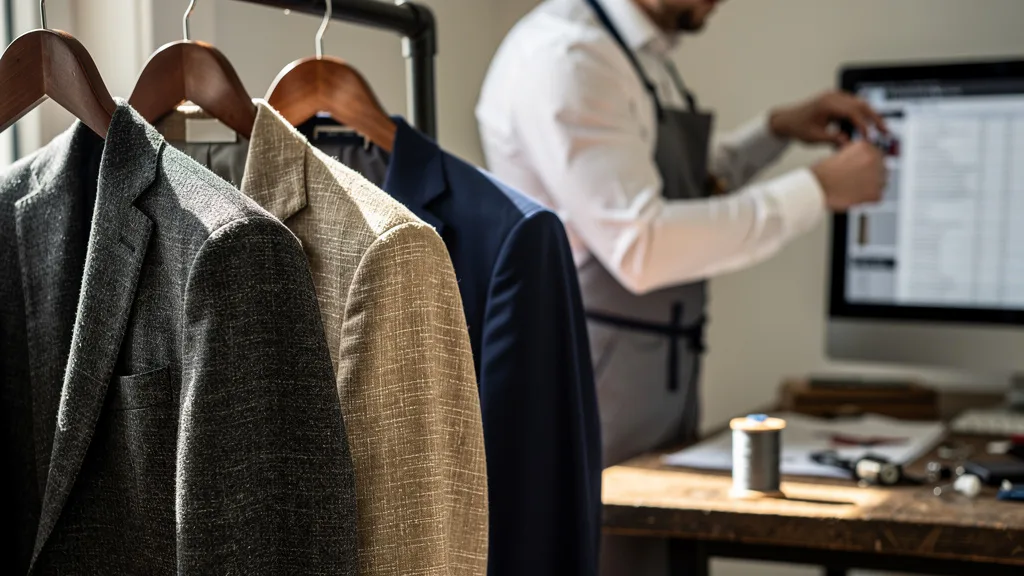
Wool is the undisputed champion of suiting fabrics, prized for its remarkable versatility and resilience. Its natural crimp creates tiny air pockets that provide insulation in the cold and allow heat to escape in warmer weather, making it a superb temperature regulator. Wool is also highly durable, wrinkle-resistant, and drapes beautifully, creating a sharp and sophisticated silhouette that holds its shape throughout the day. From heavy tweeds for winter to lightweight tropical wools for summer, there is a wool for every season.
This adaptability makes wool the go-to for business and formal wear. A high-quality wool suit is a true wardrobe investment, capable of looking pristine after years of wear with proper care. Whether you are looking for a classic navy business suit or a fashionable woolen suit for women, this fabric provides a level of polish that is difficult to match. Its ability to wick away moisture also adds to its comfort, keeping you dry and composed.
Linen: The Breathable Summer Staple
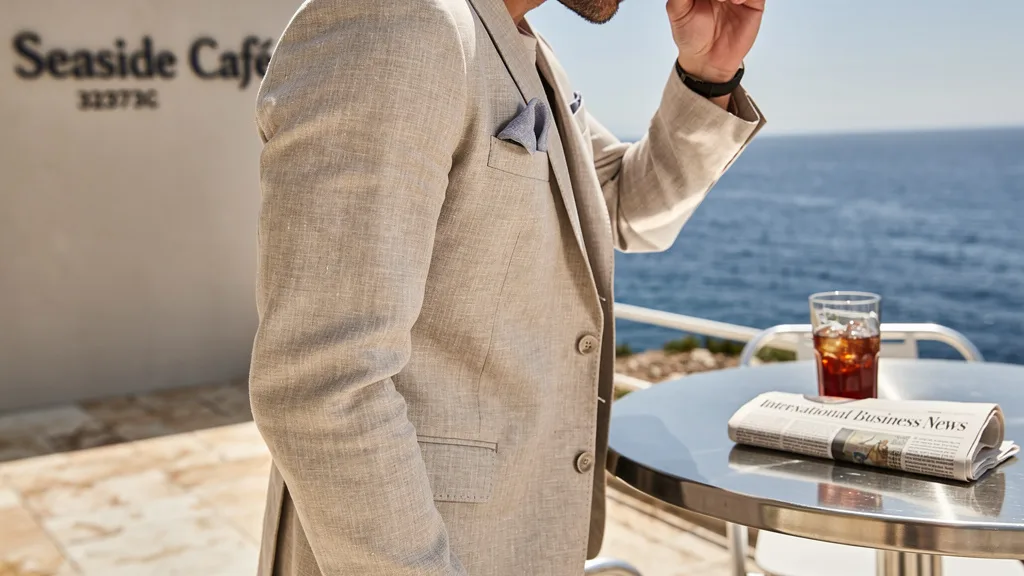
When temperatures rise, linen is the ultimate fabric for staying cool and comfortable. Derived from the flax plant, linen has a visible weave and a naturally crisp texture that is incredibly lightweight and breathable. It allows air to circulate freely and wicks moisture away from the body faster than any other natural fiber, making it the ideal choice for summer weddings, garden parties, and tropical vacations. Linen suits project an air of relaxed, effortless elegance.
The primary characteristic of linen is its tendency to wrinkle. While some view this as a drawback, many fashion connoisseurs embrace the crinkles as part of the fabric’s charm, lending it a lived-in, sophisticated character. A well-tailored linen suit in a light color like beige, sky blue, or white is a quintessential summer statement piece that is both stylish and practical for beating the heat.
Cotton: The Casual and Comfortable Alternative
Cotton is a strong, breathable, and widely available fiber that offers a more casual and affordable entry into the world of suiting. While it lacks the luxurious drape of wool and the breezy lightness of linen, a cotton suit is a practical and stylish option for less formal settings. Fabrics like cotton twill provide a smooth, durable surface, while seersucker, with its puckered texture, is a classic choice for warm weather, designed to keep the fabric off the skin.
A cotton suit is less structured than its wool counterpart and can feel more like wearing a pair of chinos and a blazer. This makes it an excellent choice for a casual suit perfect for effortless style, ideal for creative workplaces, weekend events, or smart-casual dress codes. While cotton does wrinkle more than wool, it is generally more structured than linen, offering a middle ground between formal and relaxed.
Fabric Showdown: A Head-to-Head Comparison
Choosing the right suit fabric involves balancing several key factors. Your climate, lifestyle, and the occasions you’ll be wearing the suit for will all influence your decision. To simplify the process, we’ve broken down how wool, linen, and cotton compare across four critical categories: breathability, durability, formality, and cost. linen trousers men love.
| Feature | Wool | Linen | Cotton |
|---|---|---|---|
| Breathability & Comfort | Excellent (especially lightweight weaves); regulates temperature. | Superior; the most breathable option for extreme heat. | Good; breathable but can feel heavier than linen. |
| Durability & Wrinkle Resistance | Highly durable and naturally wrinkle-resistant. | Strong fibers but wrinkles very easily. | Durable but wrinkles more easily than wool. |
| Formality Level | High; the standard for business and formal events. | Low to Medium; best for smart-casual and relaxed events. | Low; ideal for casual and creative environments. |
| Overall Cost & Investment | Higher initial cost, but excellent long-term value. | Mid-to-high cost, valued as a seasonal luxury. | Most affordable, offering great value for casual wear. |
Breathability and Comfort in Humid Weather
In hot and humid conditions, breathability is paramount. Linen is the clear winner here, with its open weave allowing for maximum airflow. It’s one of the 5 Lightweight Fabrics For Cool and comfortable wear. Cotton is also a solid choice, offering good breathability, although it can sometimes feel heavier and absorb moisture more readily than linen. Lightweight or ‘tropical’ wool is a surprisingly strong contender, as its natural fibers can wick moisture and allow heat to escape, making it a viable option for a more formal summer suit.
Durability and Wrinkle Resistance
When it comes to longevity and maintaining a crisp appearance, wool is unmatched. The natural elasticity of wool fibers allows them to stretch and return to their original shape, making the fabric highly resistant to wrinkles and creases. This resilience means a wool suit will look sharp even after a long day of wear or being packed in a suitcase. Cotton is also quite durable but wrinkles more easily. Linen, while made from strong flax fibers, is famous for its tendency to wrinkle, which is an integral part of its aesthetic.
Formality Level and Occasion Suitability
The fabric of your suit sends a clear message about its intended purpose. Wool is the gold standard for formal and professional settings, from the boardroom to a formal wedding. Its smooth drape and structured silhouette convey authority and sophistication. Linen, with its relaxed texture and propensity to wrinkle, is inherently less formal and perfectly suited for daytime events, summer parties, and resort wear. Cotton sits at the most casual end of the spectrum, ideal for smart-casual offices or weekend gatherings. For a formal event like a wedding, you might explore other options like a stunning Anarkali suit for wedding celebrations, which showcases different fabric possibilities.
Overall Cost and Investment Value
The cost of a suit is often reflective of the fabric’s quality and production process. Generally, high-quality wool suits represent the largest initial investment, but their durability and timeless appeal provide excellent long-term value. Linen is often priced as a seasonal luxury item, falling in a mid-to-high range. Cotton suits are typically the most affordable, making them an accessible way to expand your wardrobe with more casual or trend-focused pieces.
What Is the Best Fabric for a Year-Round Suit?
For a true year-round suit that can perform reliably in most climates, a mid-weight wool is the undisputed best choice. A wool fabric in the Super 100s to 120s range offers the perfect balance of durability, breathability, and structure. This type of wool is heavy enough to provide warmth in cooler months yet light enough to remain comfortable during warmer spring and summer days, thanks to its natural temperature-regulating properties.

This versatility makes a navy, charcoal, or grey mid-weight wool suit the ultimate wardrobe workhorse. It can be dressed up for critical business meetings or dressed down for less formal occasions. While linen and cotton excel in their specific niches, neither can match the sheer adaptability of wool across four distinct seasons. Investing in a high-quality wool suit ensures you have a reliable, stylish option ready for nearly any event on your calendar, any time of the year.
“When a client asks for one suit that can do it all, I always point them to a four-season wool. The question of Wool, Linen, or Cotton: Which Suit Fabric for Year Round Wear? almost always ends with wool’s unmatched versatility. It’s the cornerstone of a modern wardrobe.”
Matching Your Suit Fabric to the Season
While a four-season wool suit provides incredible versatility, building a comprehensive wardrobe means having specialized options for the extremes of summer and winter. Tailoring your fabric choice to the weather ensures you remain comfortable and stylish no matter the temperature. This thoughtful approach allows you to fully embrace the unique characteristics of each season.
Best Suit Fabrics for Summer and Warm Climates
In the heat of summer, your goal is to maximize airflow and minimize weight. Linen is the champion of summer suiting, offering unparalleled breathability and a relaxed aesthetic. Cotton, particularly in a seersucker or chambray weave, is another excellent choice that provides comfort and a casual vibe. For those needing a more formal look in the heat, a tropical-weight wool with an open weave is the perfect solution, offering the sharpness of wool with enhanced breathability.
Ideal Fabrics for Winter and Colder Weather
When the temperature drops, your suit should provide insulation and warmth. Heavier wools are the ideal choice for winter. Flannel, with its soft, brushed surface, offers exceptional warmth and a luxurious feel. Tweed is another classic winter fabric, known for its rugged texture and excellent durability, making it perfect for braving the elements in style. These heavier fabrics have a richer texture and deeper drape, creating a cozy yet sophisticated look for the colder months.
Transitional Options for Spring and Fall
The moderate temperatures of spring and fall call for fabrics that can adapt to fluctuating conditions. This is where mid-weight wools truly shine, providing just enough warmth for a cool morning without being stifling in a sunny afternoon. Cotton twill suits are also excellent transitional pieces. Fabric blends, such as wool-silk or wool-linen, can also be a great choice, offering the best properties of each fiber. When you consider Which Bespoke Suit Fabric Should you select, these transitional options provide fantastic flexibility.

How to Care for Your Wool, Linen, and Cotton Suits
Proper care is essential to extending the life of your suits and keeping them looking their best. Each fabric has unique needs when it comes to cleaning, pressing, and storage. Following these guidelines will protect your investment and ensure your suits remain a staple in your wardrobe for years to come.
Maintaining Wool Suits for Longevity
Wool is a resilient fiber that requires minimal but specific care. After wearing, hang your wool suit on a wide, shaped hanger to help it retain its form. Allow it to air out for at least 24 hours before returning it to your closet. Use a soft-bristled garment brush to remove any surface dust or dirt. Avoid frequent dry cleaning, as the chemicals can be harsh on the natural fibers; instead, opt for steaming to remove wrinkles and freshen the fabric. Only dry clean your wool suit once or twice a season, or if it becomes visibly stained.
Caring for Linen to Manage Wrinkles
The key to caring for linen is to embrace its natural texture. Linen suits will wrinkle, and that is part of their appeal. To minimize excessive creasing, hang your linen suit immediately after wearing it. A steamer is the best tool for relaxing the fibers and reducing wrinkles without making the suit look overly stiff. If you must iron, do so while the fabric is slightly damp and use a medium-hot setting. For storage, avoid folding linen suits tightly; instead, hang them in a breathable garment bag.
Keeping Cotton Suits Looking Sharp
Cotton suits are generally more robust than wool or linen but still require proper care to look sharp. Like other suits, they should be hung on a proper hanger after wear. Cotton is prone to wrinkling, so a quick pass with a steamer or iron (check the care label for temperature settings) will be necessary before most wears. While some casual cotton suits may be machine washable, it is always safest to have a structured suit professionally cleaned to maintain its shape and construction. Spot cleaning with a damp cloth can handle minor spills.
Key Takeaways
Navigating the world of suit fabrics is simple when you understand the core strengths of each material. Here are the essential points to remember when making your selection in 2026:
- Wool is the Most Versatile: For a single suit that can handle the widest range of temperatures and occasions, a mid-weight wool is the undisputed champion. It offers the best balance of durability, formality, and year-round comfort.
- Linen Owns the Summer: When heat and humidity are your primary concern, nothing beats the lightweight, breathable performance of linen. It’s the ultimate choice for staying cool while looking effortlessly stylish.
- Cotton is the Casual Staple: For a relaxed, comfortable, and affordable suit, cotton is an excellent choice. It’s perfect for smart-casual settings and adds a touch of laid-back sophistication to your wardrobe.
- Care is Crucial: Regardless of the fabric, proper maintenance—including using quality hangers, brushing, steaming, and avoiding excessive dry cleaning—will dramatically extend the life of your suit.
Frequently Asked Questions
Are fabric blends like wool-linen a good option for suits?
Yes, fabric blends can be an excellent option. A wool–linen-silk blend, for example, can offer the breathability of linen, the soft drape of silk, and the wrinkle resistance of wool. These blends are designed to combine the best qualities of multiple fibers, often resulting in a unique texture and improved performance for specific seasons, especially spring and summer.
How does fabric weight, like ‘Super 120s’ wool, affect seasonality?
The ‘Super’ number in wool (e.g., Super 120s, 150s) refers to the fineness of the wool fiber used; a higher number means a finer, more luxurious yarn. While this often results in a lighter fabric, the actual weight (measured in grams or ounces) is a better indicator of seasonality. A ‘tropical’ or ‘plain’ weave Super 120s wool will be much better for summer than a heavy flannel made from the same fineness of wool.
Which of these three suit fabrics is typically the most expensive?
Generally, high-quality wool is the most expensive of the three. The price is driven by the fineness of the fibers (higher Super numbers cost more), the complexity of the weave, and the reputation of the mill producing it. Premium linen can also be quite costly, while cotton is typically the most affordable option.
Can a cotton suit be appropriate for formal business settings?
In most traditional corporate environments, a cotton suit is considered too casual for formal business settings. It lacks the structure and sharp drape of a wool suit. However, in more creative industries, tech startups, or regions with very hot climates, a well-tailored cotton suit in a dark color like navy or charcoal can be perfectly acceptable for daily office wear.
Is a four-season wool suit truly comfortable in summer?
A true ‘four-season’ or mid-weight wool suit can be surprisingly comfortable in summer, especially if it has an open weave and is only partially lined. While it won’t be as cool as a linen suit in extreme heat, its natural moisture-wicking and temperature-regulating properties make it far more comfortable than synthetic fabrics and a viable option for all but the hottest summer days.
Conclusion
Choosing the right suit fabric is a personal decision that balances practicality with style. The debate over wool, linen, or cotton ultimately comes down to your individual needs. For the man or woman who needs one suit to do it all, a mid-weight wool provides unparalleled versatility, taking you from the boardroom to a dinner date across all four seasons with confidence and polish.
However, a well-rounded wardrobe often benefits from specialization. A crisp linen suit is an indispensable ally in the battle against summer heat, offering breezy comfort and a relaxed, sophisticated charm. Likewise, a structured cotton suit provides a durable and stylish option for casual Fridays or weekend events, bridging the gap between formal tailoring and everyday wear.
By understanding the unique strengths of each fabric—wool for resilience, linen for breathability, and cotton for casual comfort—you can make an informed choice that enhances your comfort and elevates your style. The perfect suit is one that not only looks great but feels right for the life you lead.
Now that you’re equipped with the knowledge to choose the perfect fabric, it’s time to find the perfect suit. Explore our curated collection of premium suits crafted from the finest wool, linen, and cotton to discover a style that’s right for you. SHOP NOW
If you want help turning this into a concrete plan for your site or team, take the next step below — it is the fastest way to move from reading about Wool, Linen, or Cotton: Which Suit Fabric for Year Round Wear? to applying it with confidence.
Ready to act on Wool, Linen, or Cotton: Which Suit Fabric for Year Round Wear?? SHOP NOW — tell us your goal, and we will help you pick the highest-leverage next step so you are not guessing alone.