

Have you ever stood in front of your wardrobe, wondering if you can wear your suit jacket with jeans? Understanding the nuances between men’s tailored jackets is key to mastering your personal style. While they may look similar, the suit, blazer, and sport coat each have distinct histories, purposes, and styling rules.
The primary difference between a suit, a blazer, and a sport coat lies in their construction and intended use. A suit jacket is always sold with matching trousers and is the most formal option. A blazer is a standalone jacket, more formal than a sport coat, often in a solid color with contrasting buttons. A sport coat is the most casual of the three, typically featuring patterns and textured fabrics, designed to be worn with a variety of non-matching trousers.
What Is a Men’s Suit?
A men’s suit is the pinnacle of formal and professional wear, defined by a jacket and trousers made from the exact same fabric, color, and pattern. This matching set creates a clean, cohesive, and authoritative look that is non-negotiable for certain dress codes. The suit jacket, or coat, is designed to be worn exclusively with its corresponding pants and is not intended to be an interchangeable wardrobe piece.

The construction of a suit is typically more structured than a blazer or sport coat. It features more defined shoulders, a canvassed or fused chest piece to maintain its shape, and a sleeker silhouette. This structure lends itself to formal occasions where a polished appearance is paramount, such as business meetings, weddings, and formal dinners.
Defining Characteristics of a Suit
The most crucial characteristic of a suit is its two-piece nature, jacket and trousers cut from a single bolt of cloth. This ensures a perfect match in color, texture, and drape that cannot be replicated by pairing separates. Suit jackets typically have flap pockets for a cleaner look and are made with a higher level of craftsmanship, including more structured shoulders and a lining that helps the jacket hang correctly.
Unlike more casual jackets, suits are designed as a complete ensemble. The lapels, button stance, and overall cut are harmonized with the trousers to create a balanced and elegant silhouette. Attempting to wear the jacket with other pants disrupts this intended harmony and can make both pieces look out of place.
The material of a suit is critical to its function, appearance, and comfort. For year-round versatility, wool is the gold standard. It’s breathable, durable, wrinkle-resistant, and drapes beautifully. Varieties like worsted wool are common for business suits, while flannel offers a softer, warmer option for cooler months. Knowing the best shirt colour for men to pair with your suit material can elevate your entire look.
For warmer climates or summer wear, materials like cotton and linen are excellent choices. Cotton suits offer a slightly more casual feel and are very breathable, though they can wrinkle easily. Linen suits are the ultimate in warm-weather elegance, prized for their lightweight feel and characteristic texture, but they are prone to creasing, which is often considered part of their charm. For a modern twist, many suits in 2026 incorporate performance blends with a small amount of stretch for added comfort.
What Is a Blazer?
A blazer is a standalone jacket that bridges the gap between the formality of a suit and the casual nature of a sport coat. Unlike a suit jacket, a blazer is not made with a matching pair of trousers and is designed to be worn with a variety of pants, from dress slacks to chinos. It is more formal than a sport coat, typically featuring a more structured build and solid colors.

Traditionally, blazers are associated with a naval-inspired style, often seen in solid navy blue with distinctive metal buttons, such as brass or silver. However, the modern definition has expanded to include a wider range of colors like black, charcoal, and burgundy. The key is that a blazer maintains a clean, sharp silhouette without the rugged, textured feel of a sport coat.
The Origins and Features of a Classic Blazer
The blazer has its roots in British maritime and sporting traditions. One story traces it to the HMS Blazer, whose captain commissioned navy blue double-breasted jackets with brass buttons for his crew in the 1830s. Another origin points to the red jackets worn by the rowing club of St. John’s College, Cambridge, which were described as “blazing.” Regardless of the exact origin, the blazer has always been a symbol of club, team, or organizational affiliation.
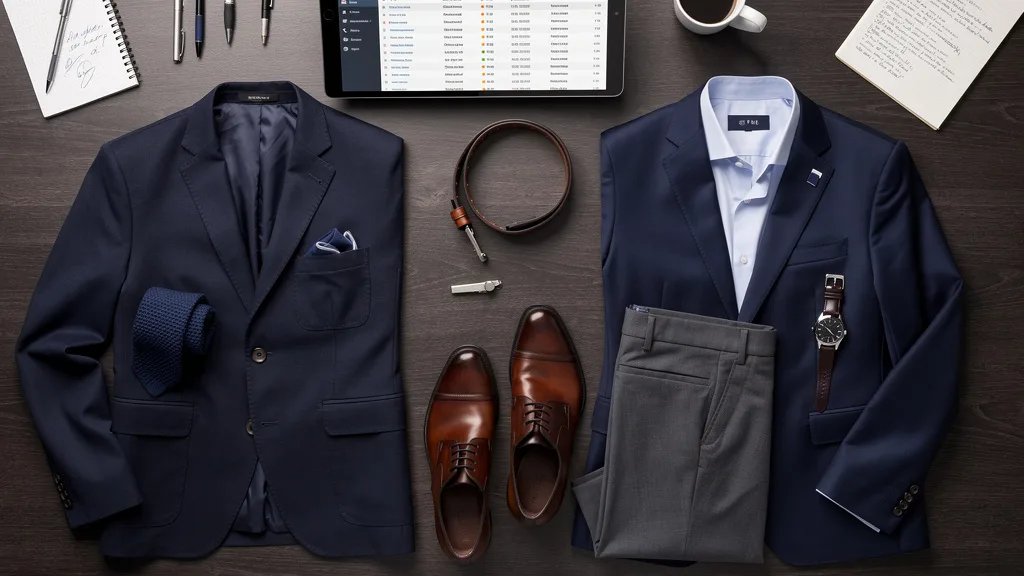
Key features of a classic blazer include its solid color, often navy, and its contrasting buttons. These can be metal, mother-of-pearl, or enamel with a crest. Blazers can be single or double-breasted and typically have patch or flap pockets. Their construction is less rigid than a suit jacket but more tailored than a sport coat, providing a defined shape that is perfect for smart-casual and business-casual settings.
Understanding the Sport Coat
The sport coat, also known as a sports jacket, is the most casual and versatile of the three tailored jackets. Originally designed as a less formal jacket for gentlemen participating in sporting activities like shooting, it was built for comfort, durability, and movement. This heritage is reflected in its construction and the wide variety of fabrics and patterns it comes in.
A sport coat is always a standalone item, never sold with matching pants. Its defining characteristics are its rugged or textured fabrics and its common use of patterns like plaid, houndstooth, and herringbone. It is the least structured of the three, offering a more relaxed fit that is perfect for layering over sweaters or casual shirts. This makes it an ideal choice for a casual suit look when paired with smart trousers.
While both are standalone jackets, the main difference between a sport coat and a blazer is formality and fabric. A blazer is more formal, almost always a solid color, and has a smoother fabric finish. A sport coat is more casual, frequently features patterns, and is made from more textured, rustic fabrics like tweed, corduroy, or heavy linen.
Other distinguishing features can include details like elbow patches, ticket pockets, and a less structured shoulder, all nodding to its practical, countryside origins. While a navy blazer is a staple of the smart-casual uniform, a tweed sport coat is the go-to for a relaxed weekend outing. Think of a blazer as a step down from a suit, and a sport coat as a step up from a casual jacket or cardigan.
Suit vs Blazer vs Sport Coat: A Head-to-Head Comparison
Navigating the world of men’s tailoring can be simple once you understand the core purpose of each garment. The Suit vs Blazer: Key Differences Every Man Should Know boils down to formality, fabric, and whether the pants match. This table breaks down the essential distinctions to help you choose the right jacket for any situation in 2026.
| Feature | Suit Jacket | Blazer | Sport Coat |
|---|---|---|---|
| Trousers | Always sold with matching trousers from the same fabric. | Sold as a separate; worn with non-matching trousers. | Sold as a separate; worn with non-matching trousers. |
| Fabric | Smooth, fine fabrics (e.g., worsted wool, fine cotton). | Solid color fabrics (e.g., wool serge, hopsack). | Textured, rugged fabrics (e.g., tweed, corduroy, linen). |
| Pattern | Usually solid, pinstripe, or subtle checks. | Almost always a solid color (typically navy). | Often features bold patterns (plaid, houndstooth, herringbone). |
| Formality | Most formal (business, weddings, formal events). | Medium formality (smart casual, business casual). | Least formal (casual, weekend wear). |
| Construction | Structured shoulders, fully lined, sleek silhouette. | Lightly structured, often with distinctive buttons. | Unstructured, soft shoulders, built for comfort. |
Key Differences in Fabric and Pattern
Fabric and pattern are the most immediate visual cues that distinguish these three jackets. Suit fabrics are typically smooth and refined, like worsted wool or gabardine, designed to create a single, unbroken visual line. Patterns, if any, are subtle, such as pinstripes or a faint windowpane, to maintain a professional appearance.
Blazers occupy the middle ground. They are defined by their solid, dark colors, with navy being the most traditional. The fabric is often a durable wool serge or hopsack, which has a slight texture but still appears uniform and clean. In contrast, sport coats embrace texture and pattern. They are made from fabrics like rugged tweed, soft corduroy, or slubby linen, and are a canvas for expressive patterns like Glen plaid, houndstooth, and colorful checks.
Construction, Fit, and Formality Levels
The internal construction of a jacket dictates its formality and fit. Suit jackets are the most structured, often featuring padded shoulders and a full canvas or fused construction to create a sharp, commanding silhouette. They are designed to fit precisely, skimming the body without being tight. This structure places them at the highest level of formality.
Blazers have a softer construction than suit jackets but are more tailored than sport coats. They have some padding in the shoulders to create a defined line but are generally less rigid, allowing for more comfortable movement. Sport coats are the least structured of all. Many are unlined with natural, unpadded shoulders, promoting a relaxed and comfortable fit that’s ideal for layering. This relaxed fit is a hallmark of their casual nature.
Matching Pants: The Defining Rule
The single most important rule that separates a suit from its cousins is the matching pants. A suit is, by definition, an ensemble. The jacket and trousers are born from the same cloth and are meant to be worn together, always. This creates a level of formality and visual cohesion that separates cannot achieve.
Blazers and sport coats, on the other hand, are designed to be paired with a wide array of non-matching trousers. This versatility is their greatest strength. A blazer can be worn with anything from grey flannel trousers to crisp chinos, while a sport coat pairs well with jeans, corduroys, and moleskin pants. Breaking the rule and wearing a suit jacket as a separate is a common style misstep that we will explore next.
When to Wear Each Garment
Choosing the right jacket depends entirely on the occasion, the dress code, and the impression you want to make. A well-stocked wardrobe includes options for every level of formality, ensuring you are always appropriately and stylishly dressed. Understanding the context for each piece is just as important as knowing the differences between them.
From the corporate boardroom to a weekend brunch, your choice of jacket sends a clear message. A suit communicates seriousness and respect for the occasion. A blazer projects polished confidence and approachability. A sport coat signals a relaxed, sophisticated ease. Mastering these signals is the key to sartorial success.
Occasions That Call for a Suit
A suit is required for the most formal events in your personal and professional life. This includes most corporate office environments, important business meetings, job interviews, and client presentations. It is also the standard attire for formal social events like weddings (unless a more casual dress code is specified), funerals, upscale dinners, and cocktail parties.
Essentially, any time you need to look your absolute sharpest and convey a sense of authority and respect, a suit is the answer. For these occasions, choose classic colors like navy, charcoal, or grey. A well-fitting suit ensures you make the best possible impression without saying a word.
You should wear a blazer for any occasion that falls under the umbrella of “smart casual” or “business casual.” It’s the perfect choice when a full suit would be too formal, but a simple shirt is too casual. Think of events like a date night, a relaxed business lunch, a creative workplace, or a family gathering.
A blazer is also an excellent travel companion, as a single navy blazer can be paired with multiple trousers and shirts to create several different outfits. It provides a polished look without the stuffiness of a suit, making you look put-together and effortlessly stylish. It’s the ultimate wardrobe bridge-builder.
The Ideal Setting for a Sport Coat
A sport coat is your go-to for casual and relaxed social settings where you still want to look sharp. It’s perfect for weekend outings, brunch with friends, a trip to the countryside, or a casual dinner. Its textured fabrics and patterns lend themselves to more creative and personal styling choices.
The sport coat shines in environments where comfort is as important as style. It’s the ideal jacket to throw on over a button-down shirt, a fine-gauge sweater, or even a high-quality t-shirt. Pair it with jeans, corduroys, or chinos for a look that is sophisticated yet completely unstuffy. For more information on sporting attire, you might find this article on the new cricket sport t-shirt interesting for casual contexts.
Can You Wear a Suit Jacket as a Blazer?
This is one of the most common questions in men’s style, and the short answer is generally no. While it might seem like a clever wardrobe hack, wearing a suit jacket as a standalone blazer or sport coat is usually a mistake. The reasons are rooted in the fabric, construction, and overall aesthetic of the garment.
A suit jacket is designed to be part of a matched set. Its fabric is often finer and has a smoother finish or sheen that looks out of place when paired with casual trousers like jeans or chinos. Furthermore, doing so creates an “orphaned” suit, as the jacket will wear out faster than the pants, rendering the entire suit unusable. It’s a risky move that experienced dressers avoid.
Why Mixing and Matching Suit Pieces Is Risky
The primary risk of wearing a suit jacket separately is the difference in fabric. The fine worsted wool of a business suit simply doesn’t pair well with the rugged texture of denim or the casual weave of cotton chinos. The contrast is often jarring and signals a lack of sartorial knowledge. The sleek, structured cut of a suit jacket can also look too formal and stiff when worn with casual pants.
Another significant risk is uneven wear. The jacket, when worn as a blazer, will be subjected to more frequent use and cleaning than its matching trousers. This will cause the color and fabric to fade or change over time, meaning it will no longer match the pants it came with. You effectively sacrifice a whole suit for a subpar blazer.
Exceptions to the Rule
While the rule is firm, there are a few rare exceptions. Some modern suits, particularly those made from more textured or casual fabrics like tweed, linen, or heavy cotton, can sometimes have jackets that work as separates. If the suit has a soft construction, patch pockets, and a matte fabric, the jacket might be versatile enough to be worn on its own.
“The best ‘suit’ jackets to wear as blazers are not really suit jackets at all. They come from suits made of tweed, corduroy, or patterned linen, fabrics that have a natural affinity for the standalone jacket. A pinstripe wool suit jacket with jeans, however, will never look right.”
Ultimately, if you are unsure, it is always safer to invest in a dedicated blazer and a dedicated sport coat. These garments are specifically designed for the purpose of being mixed and matched, and will always yield a better result than trying to force a suit jacket into a role it wasn’t designed for.
How to Style Your Jacket: Trousers and Accessories
Once you’ve chosen the right jacket, pairing it with the correct trousers and accessories is crucial for a successful outfit. The goal is to create a look that is cohesive in terms of formality, color, and texture. The versatility of blazers and sport coats is their main appeal, but that freedom requires a good eye for coordination.
Your choice of pants will set the tone for the entire outfit. A pair of well-pressed wool trousers will elevate a blazer for a business-casual look, while dark wash jeans can dress it down for the weekend. The same principles apply to your shirt, shoes, and any other accessories you choose to wear.
What Are the Best Pants to Wear With a Blazer?
A blazer‘s best friend is a pair of grey trousers. Whether they are light grey wool flannel for a classic look or dark charcoal worsted wool for a more formal feel, the combination of a navy blazer and grey pants is timeless and always appropriate. This pairing is a cornerstone of the smart-casual wardrobe.
Beyond grey trousers, chinos in colors like khaki, stone, or olive are another excellent option. They create a slightly more relaxed, preppy look that is perfect for warmer weather or more casual settings. For a bolder, more contemporary style, you can also pair a blazer with well-fitting trousers in colors like burgundy or forest green. Avoid wearing a blazer with trousers that are too close in color, as it can look like a mismatched suit.
Choosing Trousers for a Sport Coat
The casual nature of a sport coat allows for a wider range of trouser pairings. Because sport coats often feature patterns and textures, it’s best to pair them with simpler, solid-colored pants to avoid clashing. The texture of the pants should complement the jacket. For example, a rugged tweed sport coat pairs beautifully with corduroys, moleskin trousers, or sturdy denim.
For a lighter-weight linen or cotton sport coat, chinos and lightweight wool trousers are excellent choices. Dark wash, well-fitting jeans are almost always a great partner for a sport coat, creating a sophisticated yet relaxed look. The key is to maintain balance; if your jacket is busy with a bold pattern, keep your trousers, shirt, and accessories simple and understated.
Investing in Quality: Costs and Brands for 2026
Investing in high-quality tailored clothing is one of the smartest decisions you can make for your wardrobe. A well-made suit, blazer, or sport coat will not only look better but also last longer, providing value for years to come. In 2026, the market offers a wide range of options at various price points, from accessible ready-to-wear to luxurious bespoke creations.
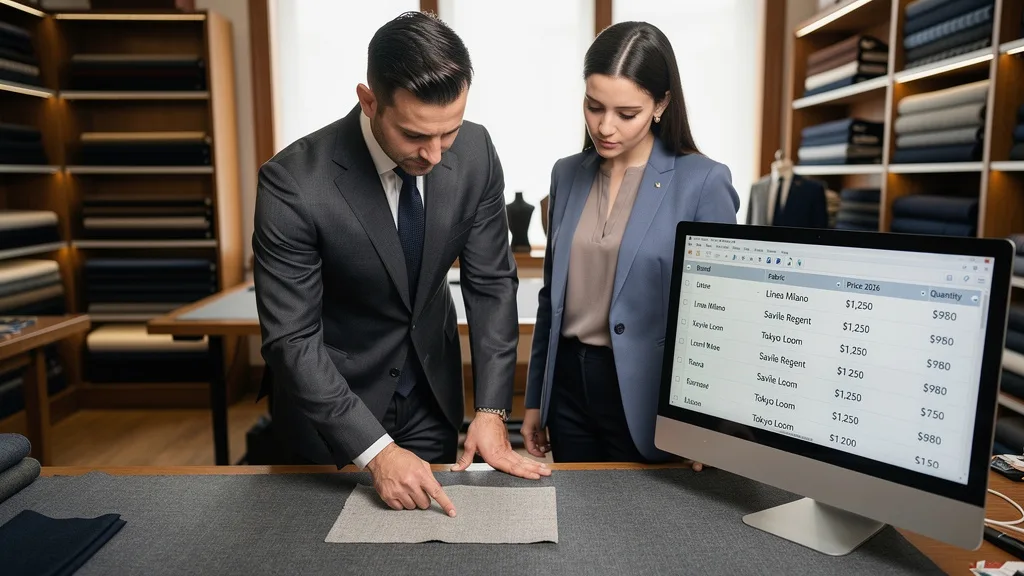
When assessing cost, consider the fabric, construction, and brand reputation. A jacket with a fully canvassed construction, for example, will cost more than a fused one but will mold to your body over time and offer superior durability. Premium fabrics from renowned mills also contribute to a higher price but deliver unmatched comfort and appearance.
In 2026, you can expect to invest a reasonable amount for a quality men’s suit that will serve you well. A good quality off-the-rack suit made from 100% wool with solid construction will typically start around $500 to $800. In this range, you’ll find reliable options from many reputable brands that offer a good balance of quality and value.
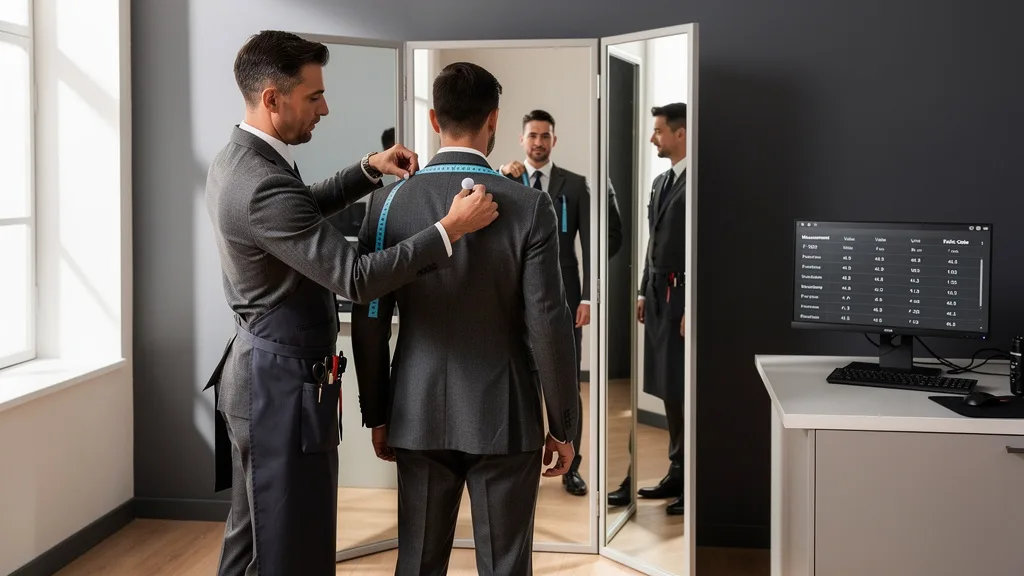
For a premium or made-to-measure suit, prices generally range from $1,000 to $3,000. This tier offers superior fabrics, a higher level of craftsmanship, and a much better fit. A fully bespoke suit, which is crafted from scratch to your exact measurements, represents the ultimate in luxury and can cost $5,000 or more. Remember to budget an additional $50 to $150 for tailoring to ensure a perfect fit, even on an off-the-rack purchase.
How Much Does a Good Quality Men’s Blazer Cost in 2026?
The cost of a good quality men’s blazer in 2026 follows a similar structure to suits, though generally at a slightly lower price point. You can find a well-made, versatile blazer from a department store or online brand for between $250 and $500. Look for blazers made from quality materials like wool hopsack or serge for the best durability and appearance.
For premium blazers from designer brands or those offering made-to-measure services, expect to pay between $600 and $1,500. These jackets will feature higher-end fabrics, more detailed construction, and often more distinctive styling details like unique buttons or linings. As with a suit, a quality blazer is a long-term investment that will anchor your smart-casual wardrobe.
Top Suit Brands for Business Professionals
For business professionals seeking quality and style in 2026, several brands stand out. At Vastgent, we pride ourselves on offering premium suits and blazers that blend traditional craftsmanship with modern sensibilities. Our collections are designed for the discerning professional who values both style and comfort, using high-quality fabrics and paying close attention to fit and detail.
Beyond our own offerings, other respected names in the industry include international brands known for their tailoring heritage. When shopping, look for brands that are transparent about their materials and construction methods. A trusted brand will not only provide a superior product but also offer the expertise to help you find the perfect garment for your needs.
Key Takeaways
Mastering your tailored wardrobe starts with understanding the fundamental differences between a suit, a blazer, and a sport coat. Here are the essential points to remember:
- A Suit is a Set: A suit jacket is always sold and worn with matching trousers made from the same fabric. It is the most formal option.
- A Blazer is a Standalone Formal Jacket: A blazer is more formal than a sport coat, typically a solid color (often navy), and designed to be worn with non-matching pants like chinos or grey flannel trousers.
- A Sport Coat is a Casual Jacket: A sport coat is the most casual of the three, characterized by textured fabrics and patterns. It’s meant to be worn with casual trousers like jeans or corduroys.
- Don’t Orphan Your Suit: Avoid wearing your suit jacket as a blazer. This causes uneven wear and rarely looks right due to differences in fabric and construction.
- Context is King: Wear a suit for formal and business occasions, a blazer for smart-casual events, and a sport coat for relaxed weekend activities.
Frequently Asked Questions
Is it acceptable to wear a suit without a tie?
Yes, in many modern contexts, wearing a suit without a tie is perfectly acceptable for a smart, contemporary look. This style works best for social events or in more creative business environments. Ensure your shirt collar is crisp and stands up well on its own.
Are expensive suits worth the investment?
Yes, a high-quality suit is a worthwhile investment. More expensive suits typically use superior fabrics and construction (like a full canvas) that result in a better fit, improved durability, and a more comfortable wearing experience. A well-made suit can last for decades with proper care.
How should a blazer fit compared to a suit jacket?
A blazer and a suit jacket should fit similarly across the shoulders, chest, and waist. The shoulders should be crisp, and you should be able to button it without pulling. However, a blazer might offer a slightly more relaxed fit to accommodate layering over a sweater.
What color blazer is the most versatile for a wardrobe?
A navy blue blazer is by far the most versatile color you can own. It pairs well with almost everything, from grey wool trousers and khaki chinos to dark-wash jeans. It can be dressed up or down with ease, making it an essential wardrobe staple.
Can you get a suit or blazer tailored after purchase?
Absolutely. In fact, you should almost always expect to get an off-the-rack suit or blazer tailored. Simple adjustments to the sleeve length, waist, and trouser hem can transform a good fit into a perfect one, making the garment look significantly more expensive and polished.
Conclusion
Understanding the key differences between a suit, a blazer, and a sport coat is a fundamental skill for any well-dressed man. It’s not just about rules, it’s about communicating effectively through your style. A suit conveys formality and respect, a blazer projects confident versatility, and a sport coat signals relaxed sophistication. Knowing which to choose empowers you to navigate any social or professional situation with poise.
The most important takeaways are to respect the integrity of the suit as a complete ensemble and to embrace the mix-and-match potential of blazers and sport coats. By investing in quality pieces and understanding their intended context, you build a functional, stylish, and timeless wardrobe. Don’t be afraid to use a tailor, as the right fit is paramount to making any of these garments look their best.
Now that you can confidently distinguish between these tailored essentials, you can make smarter choices when building your wardrobe. Whether you need to command a boardroom, impress on a date, or simply look sharp on the weekend, the right jacket is waiting. Explore our collection to find the perfect piece to elevate your style.
Ready to find the perfect suit or blazer for your wardrobe? Browse our curated collection of premium men’s apparel, crafted for style, comfort, and lasting quality. SHOP NOW.